
7A unit3沪教牛津版七年级上册
7A Unit3 The EarthDate:July ,2013Ⅰ核心词汇:Earth 地球quiz 小测试pattern 模式protect 保护report 报告part 部分land 陆地v.登陆field 田地large 大的provide 提供pollution 污染burn 燃烧energy 能源ground 地面kill 杀死important 重要的fact 事实kilometer 公里own 拥有catch 捕捉problem问题pollute(动词) 污染call v.呼叫,称呼,打电话给···Ⅱ重要短语:protect tne Earth 保护地球protect sb./sth.from 保护某人/物,使不受伤害provide…..with为…..提供be covered by 被····覆盖make energy 制造能源put….into把…..倒入、放入)……stop doing sth 停止做某事(不做这件事了)只指一件事stop to do sth停下来做某事(停止做这件事,去做另外一件事)throw away扔掉throw about 乱扔如:Don’t throw about the waste paper.have a good time 玩得高兴=enjoy oneselfget up 起床Ⅲ重点句型:1.The Earth provides us with air,Water and food.2.It's +形容词+for sb.+to do sth.3.There be +主语+介词短语4.We can ask people not to do sth.Ⅳ详细讲解:1.some are large.(page31)Large 大的。
同义词:big 西丽的荔枝园真大(large),里面的荔枝好大个(big)Large 反义词:small,多指面积大big 反义词:little,指体积大,还可以表示“巨大,伟大,重要”的意思great 巨大的,伟大的,除了表示重量、体积外,还表示抽象的或者精神方面的2.The Earth provides us with air,Water and food.(page31)Provide sb. with sth.为某人提供某物 Provide sth for sb.Provide 指“准备好必需品来供应”Yi fu Provides a room for studying Offer 指“主动地提供帮助、支撑”The girl Offered to help the old.3.It's important for us to protect the Earth for our future.(page31)为了我们的未来,保护地球很重要。
注意:It's +形容词+for sb.+to do sth.It在句中作形式主语,整整的主语为不定式to protect the Earth.动词不定式作主语,可以放在句前也可以放在句后。
句中的谓语动词用单数。
4.Air has no smell.空气无味。
(page35)no:①修饰可数名词时,相当于not a/an如:she has no brother=she doesn’t have a brother②修饰不可数名词时或者可数名词复数时,相当于not any.There are no desk in the classroom.=There aren’t any desks in the classroom.5.We can ask people not to eat shark fin soup.我们可以让人们不喝鱼翅汤。
(page37) Ask sb. to do sth. 要求/请求某人做某事(固定搭配)Ask sb. not to do sth.要求/ 请求某人不要做某事如:Our teachers always ask us to do homework after class.6.Are there any other things we can do?有一些其他的事情我们可以做吗(page38)any “一些”常用语否定句和疑问句中,还可以表示“任何”、“任何的”some 常用语肯定句中,表示委婉请求的疑问句或希望得到肯定回答的问句,用“some”。
7.We can take our own shopping bags to the supermarket.(page38)own 形容词“我们自己的”;动词“拥有”own “拥有”指具有法律上的所有权Who owns this house?have “拥有”表示某人拥有、具有、含有某物,是比较客观,强调所属关系I have long hair and black eyes.8.Fewer and fewer fish in the sea each year.(page39)海洋中的鱼越来越少。
①Fewer and fewer 越来越少比较级+and+比较级表示“越来越···” more and more beautiful.② fish 在这里表示可数名词“鱼”。
表示鱼的数量,单复数是一样的。
也可以表示不可数名词“鱼肉”。
We have fish for dinner.9.What problems do we have?我们有什么问题(page 39)problem 问题,难题。
比较麻烦或者困难的问题,相当于difficult question. About the earth’s problem 关于地球的问题question 指比较容易解决或回答的问题 A math question一个数学问题10.We need air to breath.我们需要空气来呼吸。
①Need sb./sth. to do sth.需要某人/某物做某事Need to do sth. 需要做某事 (You need to go there at once)Need doing sth. 需要做某事(主语是物,主动形式表被动:the flowers need watering.)②Need也可作情态动词,但仅用于否定句或疑问句中,后接动词原形。
例:Does he need to hand in his examination paper now? 他需要现在交卷吗?- Must I finish my homework now?我必须先在完成我的作业吗?- No,you needn’t.不,不需要。
11.we can find out about different types of fish.我们发现不同的鱼类。
(page41)find out指经过观察、调查把事物查出来,搞清楚去,弄明白事情的真相。
find 偶然发现,也指通过一番寻找后有的结果,强调结果Look for 寻找,有目的的找,强调寻找的动作12.In the end,only one sun remained.In the end “最后,最终”常常是单独使用的。
At the end of “在···末尾”Ⅴ语法专讲:Grammar一、名词的数:名词按其所表示的事物的性质可分为可数名词和不可数名词两类。
可数名词有复数形式。
不可数名词一般没有复数形式。
可数名词的单数往往要与补丁冠词a或an连用,复数则使用其复数形式。
(一)可数名词的单复数1. 单数可数名词:表示名词的单数,要在名词前加不定冠词a或an. a加在以辅音开头的名词前,an加在以元音开头的名词前。
如: a book an apple2.复数可数名词情况构成方法例词一般情况在词尾加s desk-desks girl-girls以s,x,ch,sh结尾的词在词尾加-es bus-buses Fish-fishes以辅音字母加y结尾的词变y为i再加-es Families Party-parties以元音字母加y结尾的词在词尾加-s Day-days Key-keys以f或fe结尾的词变f或fe为v再加-es Knife-knives Wife-wives以辅音字母加o结尾的词在词尾加-es Potato-potatoes Hero-heroes英雄(heroes)爱吃西红柿(tomatoes)和土豆(potatoes)。
以元音字母加-o结尾的词在词尾加-s Radio-radios Zoo-zoos注意:(1)少数以辅音字母加o结尾的名词变为复数时只加-s。
如:photo-photos相片 piano-pianos钢琴 zoo-zoos radio-radios(2)一些名词的不规则变化①元音发生变化man-men男人 woman-women女人 foot-feet脚 tooth-teeth牙②单复数形式相同Deer-deer鹿 fish-fish鱼 sheep-sheep绵羊 Chinese-Chinese中国人③词尾发生变化Child-children孩子 ox-oxen公牛④有些名词只有复数形式Clothes衣服 trousers裤子 glasses眼镜 scissors剪子(二)不可数名词1.不可数名词的确切数量的表达方式当表示不可数名词的确切数量时,通常可在不可数名词前面加上表示数量的单位词。
a glass of water一杯水 two glasses of water两杯水A kilo of meat一公斤肉 two kilos of meat两公斤肉2.不可数名词的不确切数量的表达方式当表示不可数名词的各种大概、不确切的数量时,课运用下列单词和短语:单词:not (any) / no没有; little几乎没有;a little / some一些;most大部分; all全部短语:a lot of / lots of /plenty of / much / a great deal of/.... 许多二、There be句型There be结构是英语中一种常见的句型结构,表示“在某地存在某人或某物”。
肯定式There be +主语+地点状语或者时间状语它的形式应与紧跟其后面做主语的名词保持人称和数的一致。
There is a pen and three books in the desk.There are three books and a pen in the desk.否定式There be +not+主语+其他(用上)There isn’t any water?一般疑问句Be there +主语+其他?Yes,there be./No,there be+notAre there any books in your bags?Yes,there are./no,there aren’t将来时结构There will be ···/there be going to be··There will be rain tomorrow.There is going to be rain tomorrow.注意事项:1.There be句型中be动词的形式要和其后的主语在人称和数上保持一致。
Unit3阅读课件沪教牛津版七年级英语上册(2)

Warm rain falls on the forests and fields.
field n.田野;领域 fall on 降落;降临
People were working in the fields. 人们在田间劳动
a ploughed field 耕地
a field of wheat 麦田
Plants start to grow, and birds come back from the south.
South n.南方;南边 come back from...从....回来 They were both raised in the South. 他们俩都是在南方长大的。
in the East 在东部
This discovery has opened up a whole new field of research.
这个发现开辟了一个崭新的 There are four seasons in a year, and each season has its special features. Spring Life begins again in spring. The snow melts, and nature wakes up after the long winter, Warm rain falls on the forests and fields. Plants start to grow, and birds come back from the south. Farmers begin to work their land. It is a time of new life and new hope. It is exciting to take a trip in the countryside in springtime. Summer Summer is bright and noisy. The weather is hot. The sun shines brightly in the clear, blue sky.Cicadas sing loudly. There is often thunder and lightning in the afternoon. Many people like to go to the beach and swim in the sea. It is nice to eat ice cream or fresh fruit in summer. Autumn Autumn is beautiful and full of colour. The weather is cool and dry. In autumn, everything changes. Leaves turn brown, red or yellow and start falling from the trees. Squirrels gather food for the cold winter. Farmers are busy with the harves. It is great to go on a family outing at this time of year. Winter Winter is peaceful and fun. It is cold and snowy in many places. Bears and snakes find warm places to sleep through the winter. Children love winter because they love to play in the snow.
教师用 牛津英语7AUnit3复习教案

教师用牛津英语7A Unit Three(Let’s celebrate!)复习学案以学生为中心的活动导学,注重自主、合作、探究。
Teaching procedures.Activity 1: Check what has been learned in the preview sheet and talk about the questions in the preview sheet.(in groups)Activity 3:Fill in the blanks with proper prepositions of time(‘at’/ ‘on’/ ‘in’). According to the pictures.1At:In:On:Activity 4:check the words of the vocabulary.Activity 5: Fill the blanks according to the reading.The people in the USA do not c_______ Mid-Autumn Festival, but they celebrate Halloween. They have a s______ Halloween party on ____________.The children play a game called ____________.Usually, people give them c ______ as a treat. If they don‟t, the children can ___________ on them. The children always __________ at Halloween. They wear special costumes with m_____. They sometimes _____________and people do not know who they are. This year, Wendy will wear_______________. They make their o____ Pumpkin lanterns. They _______ the eyes, the nose and the sharp t______. The family always have a party _____________October 31st. It usually starts at 8 p.m. They eat lots of special Halloween c__________ and candies. They have _________and eat lots of nice, hot f______.Activity 6:Sandy also wants to know something about Halloween.But she forgot how to ask questions. Please help her complete h er questions using ‘Wh-’ words.•S: _____ festival does Wendy tell you about ?•M: She tells me about Halloween.•S: _____ do people in the USA celebrate it ?•M: They celebrate it on October 31st.•S: _____ likes Halloween best ?•M: Children usually like it best.•S: _____ do they do at Halloween ?•M: They play a game called …trick or treat‟.•S: _____ else do they do ?•M: They also wear special costumes and paint their faces.•S: _____ do they paint faces?•M: Because people don’t know who they are.•S: _____ do they make pumpkin lanterns?•M: They cut out the nose and the teeth with a sharp knife.•S: ______ do they have parties ?•M: They usually have parties at home.探究小结2:疑问词的用法1.I do some housework on Sundays.2.He will go to the school Christmas party on foot.3.The boy in red is my friend.4.He wants to go shopping for a costume.5.You can put the candles in the lantern.Activity 7: A guessing game. Sandy has bought a lot of things for you.If you want to get them, you should guess what’s in the box.“Are there any …in the box ?\Do you have any… in the box ?\Maybe there are some… in the box.?”There are some CDs / chocolates / comic books / mooncakes.What do you want ?Would you like some… ?探究小结3:More exercise about usage of “some” or “any”1.Would you like bananas?2.May I have milk? I’m very thirsty.3.Can I get youtea?4.Shall I bring food here tomorrow?5.Do you have cakes?\No, I don’t have .Activity8:Correct the article :Millie also writes an article about Chinese New Year. But she has made some mistakes. Please help her to correct them.Chinese New YearEvery year people are celebrate the Spring Festival in China. Usually it’s on January or February. Before it comes, everyone buy many things and they often make a special kind of food call dumplings. Parents always buy new clothes to children and give them any red packets.In Chinese New Year’s Eve, all the family member come back. They have dinner together. After they enjoy the meal, they often watches TV or play cards. They all have good time.即时训练请你模仿Millie的文章,写一篇介绍中国的中秋节的文章给你的外国网友Tom(字数:60).内容包括:1.中秋节在每年的八月或九月.2.这是个全家团圆的节日. 在那天晚上全家人在一起吃饭.3.在中秋节我们吃月饼并且可以在晚上赏月.4.我们在中秋节都过得很愉快.Activity9:A).根据句意和所给中文写出句中所缺的单元1.J________ is the first month of a year.2.The last month of a year is D__________3. A_______ comes between March and May.4.I was born in F_______ 1993.5.It is usually hot in June, J______ and August.6.A______ is the best season in Beijing.7.The last four months of a year are September, October, N________ and December.8.In s_________, the days start to get warmer and flowers come out.B).介词填空1. Millie gets up ___ six o’clock.2. Our party is ___ the morning.3. Simon was born ___ 1989.4. ___ Halloween, we wear different costumes.5. We will have a meeting ___ Friday.6. ___ September 10th, we celebrate Teachers’Day.7. ___ a cold morning, the poor man died.C).就划线部分提问1. Mr. Hu is my English teacher?2. I sometimes to go school by bus.3. Jim is singing an English song because he likes English very much.4. They are swimming.5. Mum is cooking a big fish.6. My books are in my desk.7. His name is on the blackboard.8. Children’s Day is on June 1st .9. I like the white flower.Activity10:课后提升:请先写出五个你所知道的节日,并选择一个你最喜欢的节日进行介绍,字数不少于60字。
沪教牛津版七年级上
沪教牛津版七年级上 This manuscript was revised by the office on December 22, 2012沪教牛津版七年级上Unit3 The Earth单元目标:1.学会使用可数名词和不可数名词。
2.There is/ are 的基本用法。
3.掌握本单元的重点词汇。
核心词汇:Earth 地球 quiz 小测试 pattern 模式 protect 保护report 报告 part 部分 land 陆地 field 田地large 大的 provide 提供 pollution 污染 burn 燃烧 energy 能源pollute(动词) 污染 ground 地面 kill 杀死 important 重要的 fact 事实kilometer 公里 own 拥有 catch 捕捉 problem问题重要短语:protect tne Earth 保护地球 provide…..with为…..提供make energy 制造能源 put….into把…..倒入……stop doing sth停止做某事 throw away扔掉常考句型:1.There are forests and rivers, mountains and fields.(地球上)有森林和河流,山脉和田野。
注:there be 结构常用来表示“某时或某地有某人或某物”,其形式为“there be +名词+地点状语+时间状语”,其中be动词为谓语动词,它的形式应与紧跟其后面做主语的名词保持人称和数的一致。
例:There is a desk and four chairs in the room.房间里有一张桌子和四把椅子。
There are four chairs and a desk in the room.房间里有四把椅子和一张桌子。
析: There be 结构与have(1)There be结构强调“存在关系”,而have强调“所属关系”。
牛津上海版英语七年级上册课件:Unit 3(共28张PPT)
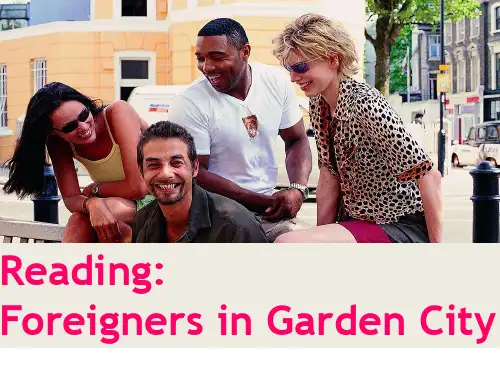
Canadian(s) American(s) British Indian(s) Australian(s) Japanese
28,940 27,700 25,500 20,950 20,210 19,010
S2: We call them _____. S1: How many _____
live in Garden City? S2: More than _____.
12345
Read, ask and answer
People in Garden City
S1: What do we call
Country
People Number
people from _____?
Canada the USA/America the UK/Britain India Australia Japan
What do we call people from the USA ? We call them Americans .
• Workbook 7A, page 15. • Read page 16 and recite. • Write “pair work” of the table (page 16) .
9-6
She is an Australian. They are Australians
123456789
9-7
He is a Japanese. They are Japanese
123456789
Look and read
12345
5-1
True or False
5-1
1. Garden City is a crowd city. F
07A沪教牛津版七年级英语上册课文原文及翻译衡水体描红版字帖Unit3
沪教版七年级上册同步课文内容衡水体描红版字帖Module1Unit3说明:黑白打印,效果正常。
如网页显示单词对不齐线格,请放心下载,原文件是正常的。
Module2Science and technology Unit3Computers ReadingComputer facts电脑的事实Smaller and better I n the1940s,更小而更好在20世纪40年代,the first computers were bigger than cars.第一台电脑比汽车还要大。
Now computers are becoming smaller and better.现在的电脑变得越来越小,而且越来越好了。
Some computers are tiny.有些电脑是微型的。
You may be unaware of them.你可能意识不到它们。
There is probably one inside your TV or washing machine.可能在你的电视机或洗衣机内部就有一个。
You depend on computers more than you realize.你所依赖的电脑比你更能干。
What can we do with computers?我们可以用电脑做什么?We can use computers to calculate.我们可以用电脑来计算。
They can calculate at a faster speed than we can and almost never 它们可以以比我们更快的速度计算而且几乎从来不会给你错误的答案。
give wrong answers.We can also type and draw things with them.我们还可以用它们来打字或绘画。
I n addition,computers can do important jobs like operatingrailways此外,电脑还可以在运行的铁路上、飞行的飞机和太空飞船上等担负重要的工作。
沪教牛津版英语七年级上册单词表

/ˈtɛkstbʊk/ /ˈdɪkʃənəri/
/ˈprɪntə/ /ˈskuːlˌbæɡ/
/ɪˈreɪzə/ /wɔːl/ /ɪn ðə frʌnt ɒv/ /ˈəʊvə ðeə/ /ˈklɑːsrʊm/ /ɛnd/ /ˈkɒrɪdɔː/ /ˈwɜːkbʊk/ /pɪŋk/ /wɪʧ/ /ɒn ðə lɛft/ /siːt/ /ˈtaɪdi/ /ˈpʌblɪk/ /ɡreɪd/ /ɪn ɔːl/ /deskmeɪt/ /ˈlʌvli/ /əˈkaʊntənt/ /raʊnd/ /læb/ /ˈsɛkənd/ /ˈspɛsɪmɪn/
adj.骄傲的;自豪的 n.历史 n.地理 当然 v.相信
pron.事事;一切 v.惦念
n.新闻,消息 adj.国际的 n.团体;组 n.队;团队 v.介绍
n.绅士;先生 校长 n.巴黎 n.语言 纽约
n.[复]眼镜 n.意大利 adj.[仅用于名词前]在海外的,在国
外的 n.性别 n.工程师 n.相册 讲台 铅笔盒 圆珠笔 播放机
起床 num.7 adv.从不,绝不 n.食堂 n.杯;一杯 n.(外)祖父,(外)祖母 adv.一次 v.暂住,逗留 v.度过 adv.一同,共同 adj.& n.最喜欢的;特别喜爱的人或
物 去游泳 n.家庭作业 n.报,报纸 n.图表 prep.在…期间;在…时候 闹钟 v.响(铃) 迅速起床 adj.快的,迅速的 n.淋浴 穿上 n.制服 乘公共汽车 v.到达 v.参加 n.图书馆
/praʊd/ /ˈhɪstᵊri/ /ʤiˈɒɡrəfi/ /ɒv kɔːs/ /bɪˈliːv/ /ˈɛvriθɪŋ/
/mɪs/ /njuːz/ /ˌɪntəˈnæʃənəl/ /ɡruːp/ /tiːm/ /ˌɪntrəˈʤuːs/ /ˈʤɛntlmən/ /hɛd ˈtiːʧə/ /ˈpærɪs/ /ˈlæŋɡwɪʤ/ /njuː jɔːk/ /ˈɡlɑːsɪz/ /ˈɪtəli/ /ˌəʊvəˈsiːz/ /sɛks/ /ˌɛnʤɪˈnɪə/ /ˈælbəm/ /ˈtiːʧəz dɛsk/ /ˈpɛnsəl bɒks/ /ˈbɔːlˌpɔɪnt pɛn/ /diː-viː-diː ˈpleɪə/
七年级第一学期牛津上海版英语Unit 3 课件(第3课时,共22张ppt)
Country
near
flag (read about) Far Nationality language away from
America
Americans English
Britain
British English
、 迟 到 、 早 退、途 离堂等 现象,教 导处加 强随堂 检查。 2、 着 力 抓 好 学生的 “一日
Hong Kong
Where is Hong Kong? -It’s in the ______ of China. A.east B.west C.south D.north
Look and read
平。
7、 坚 持 走 科 研兴校 、兴教 之路,积 极开 展教育 科研活 动,加强 校本培 训,提升 办学水 平。
8、 加 快 学 校 教学信 息化和 多媒体 教学的 建设。 三 、 具 体 工 作要求
强 化 教 学 管 理,规范 教学常 规 1、 严 格 执 行 课程计 划,坚 持按课 表上课 ,保质保 量上好 每节课 ,杜绝私 自调课 、旷课
S1: India
S2: S1: S2: S1: S2:
Indians
20,950
Australia
S1: S2: S1: S2: S1: S2:
20,210 kangaroo Koala
Australians
19,010
Japan Fuji
Japanese
Thailand
15,900
Thai
India
the Philippines
Hong Kong
牛津上海版七年级英语上册优秀教学案例:Unit3Friendsfromothercountries
2.学生能够用英语简单介绍自己的国家和文化,如traditions, festivals, food等。
3.学生能够听懂、会说、会读关于不同国家的风俗和习惯的句子,如“I come from...”“I have a friend from...”等。
2.鼓励学生提出问题,培养他们的问题意识和解决问题的能力。
3.教师引导学生通过讨论、分析等方式,找到问题的答案,提高学生的思维能力。
(三)小组合作
1.引导学生分组进行合作学习,培养学生的团队协作能力和沟通能力。
2.设计小组讨论、小组竞赛等活动,激发学生的学习兴趣,提高学习效果。
3.教师关注各小组的学习情况,给予及时的指导和鼓励,确保每个学生都能在合作中得到提高。
2.问题导向:教师设计了一系列富有挑战性的问题,引导学生主动思考、探究,激发他们的求知欲。在解决问题的过程中,学生不仅提高了自己的思维能力,还学会了如何与他人合作、交流,培养了团队协作精神和沟通能力。
3.小组合作:教师引导学生分组进行合作学习,让每个学生都能在小组讨论、小组竞赛等活动中发挥自己的优势,提高自己的学习能力。同时,小组合作的学习方式也让学生学会了倾听、理解他人,培养了他们的团队精神和合作能力。
4.学生能够通过阅读文本,了解不同国家的文化特点,提高阅读理解能力。
(二)过程与方法
1.学生通过图片展示、小组讨论、角色扮演等教学活动,提高观察力、合作能力和表演能力。
2.学生通过听、说、读、写等多种方式,提高英语语言运用能力。
3.学生通过自主学习、探究学习,提高发现问题、分析问题、解决问题的能力。
2.提问:“你们知道这些国家的哪些信息?”让学生发表自己的想法。
上海牛津版七年级上册unit3语法名词和there-be句型
上海牛津版七年级上册unit3语法:名词和there be句型语法一名词:名词是表示人,事物,地点或抽象概念的名称。
名词分为可数名词和不可数名词。
可数名词表示可以用数字进行计算的名词,不可数名词表示不能用数字进行计算的。
可数名词有单复数形式,若要表示一本书、一只鸟、一棵树等概念,需使用名词的单数形式。
表示名词的单数时,要在名词前面加上冠词a或an.若要表示两个或两个以上的概念时,要用到名词的复数形式。
My younger sister has a job in a store.我妹妹在商店工作。
She has two jobs.她打两份工。
(一)、可数名词与不可数名词注:集体名词做主语时,谓语动词可以用单数,也可以用复数,如果强调整体用单数,强调个体或成员,则用复数.The police are searching for him.The Chinese people are brave and hardworking.(二)、名词复数形式变化:(1)规则变化1)一般变化,在名词后加-s,如:book—books; bag—bags2) 以s, x, ch, sh结尾的名面,加-es,如:bus—buses; box—boxes; watch—watches; wish—wishes; glass—glasses3) 以辅音字母加-y结尾的单词,变y为i再加-es,如:city—cities; country—countries; study—studies; family—families4) 以f或fe结尾的单词,有些将f或fe变为v, 再加-es; 有些特殊情况只加-s :wife—wives; knife—knives; wolf—wolves; thief—thieves; shelf—shelves; life—lives;half—halves; leaf—leaves;特殊:roof—roofs; chief—chiefs; belief—beliefs; proof—proofs;记住下面这首顺口溜,相信你就不会觉得难了。
Unit3知识点梳理2023-2024学年牛津译林版英语七年级上册
第三讲 7A Unit3 Language Point 梳理1.让某人(不)做某事let/ make/ have sb. (not) _____ sth.get/ tell/ ask sb. (not) _____ sth.2. 九大建议句型两个祈使句:Let’s do….Shall we do…?两个Why:Why not sb. do…?Why don’t sb. do…?两个about:What about doing…?How about doing…?两个would:Would you like to do…?Would you please do…?⭐had better do….3.walk to spl. 步行去某地= go to spl. on foot类似用法:骑车去某地ride to spl.= go to spl. by bike ( on one’s bike)开车去某地drive to spl. =go to spl. by car (in one’s car)坐公交/地铁去某地take the bus/underground to spl.= go to spl. by bus/ underground (on the bus/underground)①和某人一起散步walk with sb.带某人去散步take sb. for a walk②遛狗walk one's dog = take the dog for a walk③去散步go for a walk= take a walk= go walking④five minutes’ walk(易错)=()How far is it from here to you school?It’s about twenty __________ (minute) walk.4.I walk to my bowl many times a day. (ic) 我一天走向我的碗好几次。