
2014高考英语语法复习专题精讲精练非谓语动词
语动词或短 pay attention to, excuse, escape/avoid, object(to注
语 意原谅逃 /避反对) keep, be/get used to/be accustomed to, min(d 保持 习惯勿介意) be worth, set about/burst out/get down to, be busy (值得开始将忙乎)
consideration.
A. accept B. accepting C. to accept D. accepted
【解析】 imagine 要求用动名词作宾语。答案 B。
第 4页
只接不定式 hope, want, offer, long, fail, expect, wish, ask, 做宾语的谓 decide, pretend, manage, agree, afford, determine, 语动词或短 promise, happen,refuse, claim, would love 等等
是主动关系,所以选择答案 D 项。
第 2页
二、非谓语动词的语法功能
所能充当的成分
主
宾 宾语(主语)补 定 插入语(独立
表语
语
语
足语
语
成分)
现在分
V-ing 形
●
●
●
●
词
式
动名词 ● ● ●
●
不定式( to do) ● ● ●
●
●
●
过去分词( done)
●
●
●
●
三、非谓语动词的变化形式
非谓
构成
语 时态
意义不同
doing sth. 忘记要做某事
regret to do sth.对马上要或不做的事表示遗
doing
being done
sb.或 sb’ s 在前加 not doing 特 别 注 意 复 合
第 3页
完成 式
having done
作主语要 结构的否定式:
having been
用
sb’ s not doing
done
sb’ s doingsb’ snot having
done
现在 分词
与动名词变化形式相同
一、谓语动词与非谓语动词 在解非谓语习题时同学们遇到最大的困难之一是如何判别是谓
语动词还是非谓语动词。 非谓语动词是汉语中没有的语言现象。 汉语中几个谓语动词连用
而动词不用作任何形式的变化。如:他明天来拜访你。翻译成英语不 是 He will come visit you ,而是 He will come to visit you. 这里就用了动 词不定式 to visit 。因此同学们要特别注意分析句子的结构。
陈述句的句型。答案 B。 ②The traffic rule says young children under
the age of four and
__ less than 40
pounds must be in a child safety seat.
作除谓语之
A. being weighed
B. weighs
用不定式还是用动名词作宾语都可以,但有区别
第 5页
In some parts of London, missing a bus means __________for
another hour.
A. waiting
B. to wait
C. wait
D. to be waiting
举
【解析】此题意为 “在英国的一些地方,如果错过了公交车就
第 1页
分类
不同点
例句 ①______ blood if you can and many lives will
be saved.
谓语动 词
只能作谓语
A. Giving
B. Give
C.
Given
D. To give
【解析】如果不注意分析句子结构,有可能
会误选 A 或 C 项。这是祈使句 +and+
C. sounding
D. to have sounded
【解析】 want 后要跟动词不定式作宾语, sound 是连系动词不
举
用被动式,与谓语动词没有间的先后,故不可用它
例
的完成式。答案 A。
②It is difficult to imagine his _______the decision without any
C.
非谓语 外的任何成 weighed
D. weighing
动词
分
【解析】容易误选 B 或 C 项,将其当成谓语
(见下表)
看待。“ under the age of four and ____
less than 40 pounds用作 ”“ children的 ”
定语。动词 “ weigh与名”词 “ children ”
例
意味着再等一个小时。 ” meandoing sth.意为 “意味着
什么 ”, mean to do sth. 意为 “试图、打算做什么 ”。答
案 A。
动词本身意义不 remember to do sth. 记住要做 remember
变,跟
doing sth.记得过去做过
不定式和动名词 forget to do sth. 忘了已做过的事 forget
/
在前加 not
(一)非谓语动词做主语、宾语时的比较
用不定式还是用动名词作宾语有特殊规定 ①I don’twant ____ like I ’mspeaking ill of anybody, but the
manager ’ s plan is unfair.
A. to sound
B. to be sounded
形式
语态
主动
被动
复合结构
否定式
不定 式
一般 式
进行 式
完成 式
to do to be done for sb. to
to be doing
to have done
/
to have been done
do sth. 在“ to前”加 not
或 或 never
of sb. to do
sth.
动名 一般 词式
语 suggest, risk, devote oneself t(o 建议冒险去献身) finish, imagine, bear/stand, look forward to (完成 想象忍盼望) give up, delay/put off, regret, miss(放弃延期悔失
重 去)
点 只接动名词 insist on/stick to, enjoy/appreciate, feel like,
高考英语二轮总复习 核心语法必备 专题二 非谓语动词
重点一
重点二
重点三
重点四
重点五
(2)表示 “使, 让” 的动词, 如make/let/have/get/keep/leave+宾语+补语
Father advised me to
say something. 父亲建议我说点什么。
常用动词不定式做主语补足语的句型有sb/sth be He is said to have been
said/believed/known/reported/considered/thought found in the street.
形式 用法
示例
现在分词
表示动作 正在进行
boilingwater 正沸腾的水 boiledwater 白开水
fallingleaves 正在下落的叶子
过去分词
表示动作 已经完成
fallenleaves 落叶 developingcountries 发展中国家 developedcountries 发达国家
重点一
重点二
重点三
重点四
重点五
提示
(1)某些过去分词(短语)已经形容词化, 它们既不表示被动, 也不表示完成,
而表示一种状态, 如lost, seated, hidden, lost/absorbed in, dressed in, tired of
等。
Absorbed in the book, he didn't notice me enter the room.
高考非谓语动词(精讲精练)

teaching having taught
being taught having been taught
1. 看动词 ing形式的flash 2. 只跟动词 ing形式作宾语的动词(卷子) 3. 作主语(几个常用句型)(卷子) 4. 作定语的位置(卷子) 5. 作状语 (to do跟doing作结果状语的区别)(课件)
meters in height. A.Approaching C.To approach
解析
approach与主句的主语we之间为主动关系,故用现在
分词表示正在进行或主动。
3.That is the only way we can imagine water in students’ bathrooms. A.reducing
非谓语动词
1
哪些是动词的谓语形式?
找出各句的谓语动词并指出其具体形式 1. Don't teach fish to swim. 不要班门弄斧。 don't teach,谓语动词否定式
1
2. He had a good memory like an elephant. 他以前有很好的记忆力。 had,谓语动词过去式
不定式的复合结构 It is brave of you to do that.
It is easy for you to do that.
当下列表示人物特征的形容词同of 后的名词或代词关系密切,有意 义上的主表关系时,常与o f 搭配。brave, careful, careless, clever,
• • • •
ቤተ መጻሕፍቲ ባይዱ• •
③ 在 cannot but, cannot choose but, cannot help but , could not but ,could not help but 的后面不带to , 它们的意思都是 “只好,只有” ,如: He could not but walk home. / It’s raining hard, I cannot help but stay at home./ I cannot but admire his courage.
高中英语语法专项精讲-非谓语动词讲解
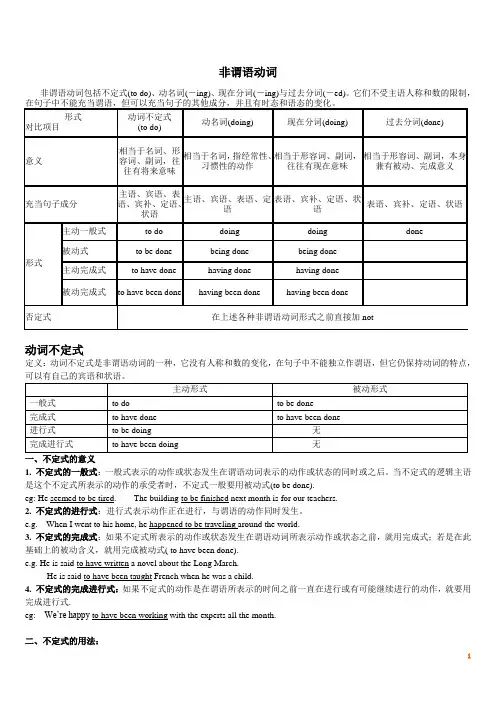
非谓语动词非谓语动词包括不定式(to do)、动名词(-ing)、现在分词(-ing)与过去分词(-ed)。
它们不受主语人称和数的限制,动词不定式定义:动词不定式是非谓语动词的一种,它没有人称和数的变化,在句子中不能独立作谓语,但它仍保持动词的特点,一、不定式的意义1. 不定式的一般式:一般式表示的动作或状态发生在谓语动词表示的动作或状态的同时或之后。
当不定式的逻辑主语是这个不定式所表示的动作的承受者时,不定式一般要用被动式(to be done).eg: He seemed to be tired. The building to be finished next month is for our teachers.2. 不定式的进行式:进行式表示动作正在进行,与谓语的动作同时发生。
e.g. When I went to his home, he happened to be traveling around the world.3. 不定式的完成式:如果不定式所表示的动作或状态发生在谓语动词所表示动作或状态之前,就用完成式;若是在此基础上的被动含义,就用完成被动式( to have been done).e.g. He is said to have written a novel about the Long March.He is said to have been taught French when he was a child.4. 不定式的完成进行式:如果不定式的动作是在谓语所表示的时间之前一直在进行或有可能继续进行的动作,就要用完成进行式.eg: We’re happy to have been working with the experts all the month.二、不定式的用法:1. 不定式做主语:不定式做主语一般表示具体的某次动作。
而动名词doing 表示习惯的,经常的动作。
高考英语语法填空抢分热点精选精练:非谓语动词(含高考真题)(原卷版)

高考语法填空抢分热点之非谓语动词养成良好的答题习惯,是决定高考英语成败的决定性因素之一。
做题前,要认真阅读题目要求、题干和选项,并对答案内容作出合理预测;答题时,切忌跟着感觉走,最好按照题目序号来做,不会的或存在疑问的,要做好标记,要善于发现,找到题目的题眼所在,规范答题,书写工整;答题完毕时,要认真检查,查漏补缺,纠正错误。
一、考点精讲非谓语动词包括动词不定式、动词-ing形式(现在分词和动名词)和过去分词,是高考热点。
但学生分不清现在分词和进行时态,过去分词和被动语态,对动词不定式的运用也是模棱两可。
归根结底,学生不会分辨“谓语动词”和“非谓语动词”。
这还要从根上解决,首先要弄清楚句子种类。
句子按结构分,分为简单句、并列句和复合句。
1.简单句。
由一个谓语动词或并列的谓语动词构成的句子是简单句。
也就是说,一个简单句中只能有一个谓语动词或并列的谓语动词(省略句除外)。
谓语动词指的就是动词的时态(一般现在时、一般过去时......)和语态(一般现在时的被动语态、一般过去时的被动语态......)。
例如:(1)He leaves home for school at 6 every morning.(leaves是谓语动词)每天早上他六点钟离开家去上学。
(2)The plane takes off at 11:40 and arrives in Shanghai at 1:30.(takes off和arrives是并列的谓语动词)飞机十一点四十起飞,一点半抵达上海。
(3)The company was set up in 2012.(was set up一般过去时的被动语态,是句子的谓语动词)这家公司是2012年成立的。
2.并列句。
并列句是指由并列连词and、but、or等把两个或两个以上的简单句连在一起而构成的句子。
即:简单句+并列连词+简单句。
常见的并连连词:and(和)、but(但是)、or(或者;否定句中的“和”;否则)、so(所以)。
高考英语语法非谓语动词专题讲解

高考总复习 ·英语
返回导航
语法专项提升 专题七
►I couldn't do my homework with all that noise going on. 由于噪音不断我做不了作业。 ►The girl feels excited with so many places of interest to visit. 有这么多的名胜可以参观,女孩很兴奋。
高考总复习 ·英语
返回导航
语法专项提升 专题七
►Lost in the mountains for a week, we were finally saved by the local police. 在大山里迷失了一个星期,我们最终被当地警察所救。 ►Absorbed in his book, he didn't notice me enter the room. 专心读书的他没注意到我进入了房间。 (三)现在分词作状语 1.现在分词所表示的动作与句子主语之间构成逻辑上的主动关系,且含有进行 之意。现在分词作状语可以表示时间、原因、条件、让步、结果、方式或伴随情况。
高考总复习 ·英语
返回导航
语法专项提升 专题七
►We must keep a secret of the things being discussed here. 我们必须对在此讨论的问题保密。(被动、正在进行) ►The players selected from the whole country are expected to bring us honor in this summer game. 人们期待着从全国各地挑选出来的运动员能在今年夏季的赛事中给我们带来荣 誉。(被动、完成)
高考英语非谓语动词不定式语法知识点
高考英语语法非谓语动词不定式用法精讲不定式1.作主语不定式作主语常见的是it 作形式主语,放在句首,将真正的主语动词不定式(短语)放在句子后面。
It’s easy to be wise afterthe event.Itis right to give up smoking.2.作宾语I find it interesting to study history.1.直接作宾语句型:动词(vt)+ to do解读:直接跟在一个及物动词后面作宾语。
这时句子有以下两个特点:第一:句子的主语和不定式的逻辑主语是一致的,不定式的语态需看与句子主语的关系。
第二:这时句子的谓语动词多是描写态度;不定式动作则说明行为。
经典例句:1)Nobodywants to be laughed at.2)Thiscompany refused to cooperate with us.经典例题:1.I don't want ____like I' m speaking iii of anybody, but the manager' s plan isunfair. (2005天津卷)A. to soundB. to be soundedC. soundingD. to have sounded2.I can’t stand ______ with Jane in the same office. She just refuses _______talking while she works. (2006北京卷)A.working ; stoppingB. to work ; stoppingC.working ; to stopD. towork ; to stop3.As a young man , I hate______________ in public.ughed atB. to be laughed atC. to laugh atughing at2.句型:某些及物动词+连词+to do解读:在一些动词之后,可以在连接代词(what, who , which)或连接副词(how, when, where)及连词whether 后面接一个带to 的动词不定式作宾语。
高考英语一轮复习语法讲解非谓语动词(二)
三、过去分词的用法
• 1.过去分词作定语: • Our class went on an organized trip last Monday. • 上周一我们班开展了一次有组织的旅行。Those
selected as committee members will attend the meeting. • 当选为委员的人将出席这次会。 • 2.过去分词作表语: • The window is broken. 窗户破了。 • They were frightened at the sad sight. • 他们对眼前悲惨的景象感到很害怕。
谈话的那个人是我们班长的父亲。
• 5.作同位语: • His habit,listening to the news on the radio remains unchanged.他
收听收音机新闻节目的习惯仍未改变。
• 6.作宾语补足语:如下动词后可跟现在分词 作宾语补足语:
• see,watch,hear,feel,find,get,keep,notice,obse rve,listen to,look at,leave,catch等。
• ⑤作结果状语: • He dropped the glass,breaking it into pieces.
他把杯子掉了,结果摔得粉碎。 • ⑥作目的状语: • He went swimming the other day. 几天前他
去游泳了。 • ⑦作让步状语: • Though raining heavily,it cleared up very
• The present situation is inspiring. • 当前的形势鼓舞人心。
• 3.作宾语:
高中英语真题-2014高考英语译林牛津一轮语法专题(3)(非谓语动词03)
高中英语真题:2014高考英语译林牛津一轮语法专题(3)(非谓语动词03)高考预练Ⅰ.单项填空1.(2012·山东省实验中学诊断)What was considered impolite years ago has become _____ _____ now.A.accessible B.adjustable C.unbelievable D.acceptable解析:选D。
考查形容词辨析。
accessible意为“易接近的,可理解的”;adjustable意为“可调整的”;unbelievable意为“难以相信的”;acceptable意为“可接受的”。
句意:多年前被认为不礼貌的事情现在已经开始逐渐被接受了。
根据句意可知,应选D项。
2.(2012·山东省实验中学一模)I’m afraid I’m not __________ to help with the show,for I am fully occupied with my own project.A.acceptable B.adaptableC.available D.accessible解析:选C。
考查形容词。
acceptable值得接受的,可接受的;adaptable可适应的,有适应能力的;available有空的,空闲的,有时间的;accessible容易取得的,可接近的。
句意:恐怕我不能在这次展览上帮忙了,因为我正忙于自己的项目。
故选C 项。
3.(2012·济南模拟)I keep on walking after supper because I can’t think of a ___ _______ way to keep fit.A.better B.bestC.worse D.worst解析:选A。
考查形容词比较级。
句意:我坚持晚饭后散步,因为我想不到比这更好的保持健康的方法了。
根据语境可知,A项正确。
英语语法专题讲座-非谓语动词 不定式表被动与独立主格
• I don't want there to be any more trouble. 我不希望再产生麻烦。 • It's too late for there to be any taxis. 太晚 了,没有出租车了。
• We are in need of tutors to teach the children. (主谓关系) • He is a pleasant person to work with. • (动宾关系) • The boy had an impulse to jump over the fence(同位关系) • He gave me an hour to make my decision. • (动状关系)
五、动词不定式作定语
• 不定式可以放在名词和代词后面作定语。不定式 作定语与被修饰的中心名词之间常表现为主谓关 系、动宾关系、同位关系或动状关系。常见的这 部分名词有:ability,failure,refusal, agreement,intention,reluctance(勉强), ambition(志向),hope,resolution,anxiety, need,tendency(趋势),attempt,plan, threat,claim(声称),promise,willingness, decision,readiness(乐意),wish, determination(决心)等。例如: • We are in need of tutors to teach the children.
• it在think,find,consider等动词后可变成形 式宾语。例如: • I think it difficult to adapt myself to the new situation. • 我认为我很难适应新形势。
高考英语复习第一部分语法知识及运用专题非谓语动词考点三非谓语动词作宾语、表语、主语和补语课件
专题5 非谓语动词
考点三 非谓语动词作宾语、表语、主语 和补语
撬点·基础点 重难点
基础点 1 非谓语动词(不定式、动名词)作宾语 (1)下列动词一般用不定式作宾语 decide/determine, learn, want, expect/hope/wish, refuse, manage, care, pretend, offer, promise, choose, plan, agree, ask/beg, help。
sth.试着做某事
to do sth.打算做某事
mean doing
sth.意味着做某事
to do sth.继续做另外一件事 go ondoing sth.不停地做某事
to do sth.记着去做某事未做
remember doing
sth.记得做过某事已做
to do sth.不能帮助做某事
can't
sb. to do sth. allow/permit/forbid/advise/considerdoing sth. Smoking is forbidden here so we don't allow_you_to_smoke. 这里禁止吸烟,所以我们不允许你吸烟。
We don't allow_smoking in the hall. 我们不准有人在大厅内吸烟。
done看见……被做……
辑上的被动关系
①I heard_her_sing an English song just now. 刚才我听见她唱了一首英文歌。(主动,完成) ②I heard_her_singing an English song when I passed by her room yesterday. 昨天经过她房间时,我听见她正在唱一首英文歌。(主动,正在进行) ③I heard_an_English_song_being_sung by the little girl when I passed by her room yesterday. 昨天经过她房间时,我听见那个小女孩正在唱一首英文歌。(被动,正在进行)