
译林版-一年级下册1B-Unit7-What's-that
Learn to say
a cow
What's,what's, What's this? Moo,moo. It's a cow.
Listen and guess
Is this a·····?
(听声音,猜猜是什么动物) Yes.
No.
Baa!
a lamb It’s a lamb.
What’s that?
Let’s bomb.
Is this a p_e_a_r _? Is this a b_a_g_?
a duck
What's ,what's, What’s this?
Quack,quack, It's a duck.
on a farm
On a farm
a pig
What's, what's, What's this? pig,pig. It's a pig.
2) dad 3) pig
duck cow
mum teacher morning duck
4) bag
book duck
pencil
Treat animals as our friends.
Homework:
1.Listen and read story time three times.
2.Talk about animas with your friends.
It’s a lamb.
Tip: 当我们问近处的东西时,用:What’s this? 当我们问远处的东西时,用:What’s that?
1
2
4
5
Let's chant!
What's, what’s, what's that? Quack,quack . It's a duck.
What's, what’s ,what's that? Oink,oink. It's a pig. What's, what’s ,what's that? Moo,moo. It's a cow.
1.今天学了哪些动物? Pig, lamb, duck, cow
2.问近处的东西说什么? What’s this?
3.问远处的东西说什么? What’s that?
4.不论是远是近,回答What’s ·····时用什么? It’s a·····
Who is not the friend?
1) pig apple banana mango
What’s missing?
Pair work:
A:What’s this/that? B:It’s a······
Watch and order41 Nhomakorabea2
3
Listen and tick What do they see?
()
()
()
()
()
()
Act the dialogue
Summary:
译林版一年级英语课文
译林版一年级英语课文一、Hello!Hello! This is my English book for the first grade of primary school. In this book, we will learn many interesting and useful English words and sentences. I hope you will enjoy learning English and have fun!二、Unit 1: GreetingsIn Unit 1, we will learn how to greet people in English. Greetings are important because they help us start a conversation and show politeness. Let's learn the greetings together!1. Lesson 1: Hello!In this lesson, we will learn the most basic greeting in English - "Hello!" The word "hello" is used to say hi or to greet someone. You can use "hello" when you meet someone, when you answer the phone, or when you want to get someone's attention. Remember to say "hello" with a smile!2. Lesson 2: Hi!In Lesson 2, we will learn another common greeting -"Hi!" The word "hi" is more informal than "hello." You can use "hi" when you meet your friends or people of your age.It's a friendly way to say hello. Just like "hello," remember to say "hi" with a smile!3. Lesson 3: Good morning!Lesson 3 teaches us how to greet someone in the morning. We say "Good morning!" to people when we meet them in the early part of the day. It’s a polite and formal greeting. Remember to pronounce the word "morning" clearly and confidently.4. Lesson 4: Good afternoon!In this lesson, we will learn how to greet someone in the afternoon. We say "Good afternoon!" to people when we meet them between noon and evening. It's a polite and formal wayto say hello. Remember to pronounce the word "afternoon"clearly and politely.5. Lesson 5: Good evening!Lesson 5 is about greeting people in the evening. We say "Good evening!" to people when we meet them after the sun sets. It's a polite and formal way to say hello. Remember to pronounce the word "evening" clearly and with a friendly tone.三、Unit 2: IntroductionsIn Unit 2, we will learn how to introduce ourselves and others in English. Introductions are important because they help us get to know each other and start conversations. Let's learn how to introduce ourselves and make new friends!1. Lesson 1: My name is...In this lesson, we will learn how to introduce ourselves using the sentence "My name is..." When we meet someone forthe first time, we can say "My name is [your name]." Remember to speak clearly and confidently when introducing yourself.2. Lesson 2: Nice to meet you!In Lesson 2, we will learn how to respond to someone's introduction. When someone says "My name is [their name]," we can reply with "Nice to meet you!" It's a polite way to show that we are happy to meet them. Remember to smile and makeeye contact while saying this.3. Lesson 3: This is my friend...In this lesson, we will learn how to introduce others. When we want to introduce our friends to someone, we can say "This is my friend [friend's name]." It's a friendly andpolite way to make connections between people. Remember to speak clearly and use friendly gestures when introducing your friends.四、ConclusionIn conclusion, "《译林版一年级英语课文》" is a great English book for first-grade students. Through this book, we have learned how to greet people and introduce ourselves and others. Remember to practice these greetings andintroductions in your daily life to improve your English skills. Keep up the good work and enjoy learning English! Good luck!。
译林版英语四年级下册《Unit7What'sthematter》教案
译林版英语四年级下册《Unit7 What’s thematter》教案教材简介《译林版英语》四年级下册第七单元学习的是“What’sthe matter”(发生了什么事)。
在这一单元中,学生将学会一些基本的英语表达方式,如描述自己或他人身体状况、寻求帮助等。
通过本单元的学习,学生能够提高自己的英语交流能力,同时也能够提高对自己和他人身体健康的关注度。
教学目标1.学会描述自己或他人身体状况的基本英语表达方式。
2.学会寻求帮助的英语表达方式。
3.让学生提高对自己和他人身体健康的关注度,向家长传达健康的观念。
教学重点学生通过学习掌握了身体部位的表达方式和学习描述身体不适的表达方式。
能够描述自己或他人的身体状况,同时也能够寻求帮助。
教学难点学生能够运用所学内容进行简单的英语交流,如询问他人身体状况并进行适当的回答。
教学方法1.听、说、读、写的综合训练,增强学生英语交流的能力。
2.情境教学,通过实际情境展现出英语表达方式的使用。
教学过程第一步:导入新课1.进行师生问答,了解学生对身体部位的英语表达是否熟练,帮助学生复习巩固教材之前的内容。
2.通过展示图片或视频,介绍一些相关的情景,如:摔到、发烧、打喷嚏等,预设情景以便后续教学让学生更好地理解和掌握所学内容。
第二步:新课教学1.学习掌握身体部位的表达方式。
如头、胃、胳膊等。
2.练习使用“What’s the matter”的句型进行身体状况的表达。
3.学习一些常用的应答句,如“I have a headache. / I feel tired.”4.细讲几个关键词的拼音和意思:stomachache(肚子疼)、headache(头疼)、toothache(牙疼)、fever(发烧)等。
第三步:示范训练1.师生互动,老师示范一些关于身体不适的情景及表达方式,鼓励学生自己思考并模仿。
2.学生自由组合进行练习,两人一组,轮流问候“How are you?”并回答。
(译林版)英语单词过关一年级下册

sing唱歌
dance跳舞
draw画
cook做饭
are是
ready准备好的
well好
let’s=let us让我们
do做
by接着
Are you ready? Yes.你们准备好了吗?是的。
Well done.干得好。
Let’s do it.让我们一起做吧。
One by one.一个接一个。
what什么
this这个
the这;那
look at看……
what’s=what is是什么
it’s=it is它是
cute可爱的
flutter拍翅膀
dance跳舞
dancing跳舞
fly飞
summer夏天
sky天空
bee蜜蜂 beetle甲壳虫
over here and over there到处
up and down上上下下
第七单元Unit7(seven)
mn PQ
qp vb
jg Nm
BV GJ
VY mw
WM yv
XS Il
db vu
EI OQ
ie rt
pig猪
lamb羊羔
duck鸭子
cow奶牛
horse马
chicken鸡
this这个 that那个
what’s是什么
it’s它是
Baa! 咩!(羊叫声)
Quack! 嘎!(鸭叫声)
sorry对不起
that’s那是
yes是
no不是
thank 谢谢
you 你,你们
your你的,你们的
friend朋友
I’m sorry.对不起。
苏教译林版小学英语一年级下册全册单元同步练习汇编 附答案
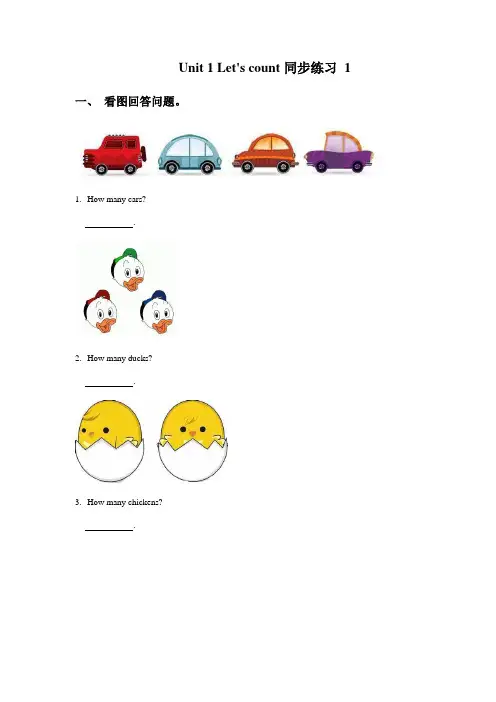
Unit 1 Let's count 同步练习1 一、看图回答问题。
1.--How many cars?-- .2.--How many ducks?-- .3.--How many chickens?-- .4.--How many jeeps?-- .5.--How many ice creams?-- .二、根据汉语意思回答问题。
1.三个红色苹果2.五个黄色玻璃球3.八个蛋三、请找出下列单词的错误。
1.sixe2.eiget3.seyen4.teen5.ninee四、单项选择。
1.How marbles are there?A.muchB.manyC.often2.I can see a .A.appleB.orangeC.marble3.How many foxes are there?A.oneB.twoC.three4.How many are there?A.sheepB.sheepsC.shoop答案:一、four; three; two; one; five二、1.three red apples; 2.five yellow marbles; 3.eight eggs三、six; eight; seven; ten; nine四、B C B AUnit 2 This is my pencil 同步练习一、单词连线。
book bag teddy pencil rulerfive four one three twoonion carrot pepper rubber pea二、注意字母占格和笔顺,书写字母 A a – K k。
三、判断正误,对的打“√ ”,错的打“×”。
(请圈出错误点并改正)()1.五个黄色的玻璃球,可以说:five yellow marbles。
()2.你想问有多少本书,可以说:How many books?()3.字母B 的小写字母是d。
()4.这是我的铅笔,可以说:This is your pencil.()5.这是一块橡皮吗?可以说:Is this a ruler?()6.我喜欢洋葱。
初中阅读课中的读后续写探究——以牛津译林版7B_Unit7_What_a_brave_young_m

Educational Practice and Research一、引言《义务教育英语课程标准(2022年版)》提出“听和读是理解的技能,说和写是表达的技能,它们在语言学习和交际中相辅相成、相互促进”。
在中国,绝大多数学生缺少英语学习的母语环境,因此学生必须通过听和读来完成足够的的语言输入积累并且理解和掌握其合适的用法,这样才能完成说和写的输出。
在英语课堂教学中,教师必须将语言的输入和输出在有限的时间内进行合理安排,才能达到较为理想的课堂教学效果。
在初中英语教学中,大多数教师很侧重阅读课的教学,这也和应试考试中阅读理解篇幅占比较重有关,过度强调了语言输入的重要性,学生也容易受此影响,忽视了输出练习。
针对此现象,教师应合理有机地整合课堂教学中输入和输出的比例。
目前国内大多数教师在课堂中缺乏将阅读和写作相结合的意识,一方面是教师出于保证课堂任务完成度的考虑,另一方面是初中阶段的写作难度较低,应试考试的占比较轻,进而忽视了写作能力的重要性,反而更加强调对学生阅读技能的训练,并没有将阅读后的思维迁移和读后续写纳入课堂教学计划中。
随着新高考作文分值比重的增加和新题型读后续写的引入,作为初中教师的我们也不能墨守成规,需要与时俱进地为学生今后的学习能力着想,锻炼其语言能力与素养。
那么首先,如何在我们现阶段单元教学的阅读部分中引入读后续写,让学生充分实现语言运用的综合能力,是值得在职教师深入思考的课题。
二、读后续写在初中英语阅读教学的理论支撑广东外国语大学的王初明教授曾指出,读后续写有效地将语言输入与语言输出紧密结合起来,是基于阅读理解而进行写作练习的方法。
皮克林和加罗德认为协同是保持人际对话顺畅进行的机理。
徳怀特、阿特克金森和伊顿等人强初中阅读课中的读后续写探究———以牛津译林版7B Unit7What a brave young man为例梁浩(苏州吴中区天成实验学校,江苏苏州215128)摘要:在初中阶段,英语教师应根据学科属性,将阅读课和写作课相结合,发挥协同效应,提升学生语言表达的综合能力,为学生的长远发展做考虑,同时为高中学段的写作做好铺垫。
译林版(三起)四年级下册英语教案:Unit 7 What's the matter Period 1
译林版(三起)四年级下册英语教案:Unit 7 What’s thematter Period 1前言本文是针对译林版(三起)四年级下册英语教材Unit 7 What’s the matter中的第一课时进行教案设计。
主要内容为教材的目标、重点、难点、教学准备、教学过程和板书设计。
希望能够对教师备课、授课有所帮助。
教材目标1.学习并掌握几个常用的身体部位单词:head, eye, nose, mouth, ear, leg, arm, hand, foot;2.能够听、说、认读以上单词,并运用它们进行简单的英语句子表达;3.培养学生用英语表达自己身体不舒服的能力。
重点1.身体部位单词的学习和掌握;2.能够听懂简单的英语句子并给出正确的答案;3.能够用英语简单表达自己身体不舒服的状况。
难点1.如何通过英语正确描述自己的身体部位不舒服的状况;2.如何听懂以目前所学的身体部位单词组成的简单英语句子。
教学准备1.课件、录音设备、幻灯片等教学辅助工具;2.准备不同颜色的图片来说明不同的身体部位;3.通过音频和图片展示简单的英语句子;4.通过板书与学生交流和互动。
教学过程Step1: Warming up教师在黑板或幻灯片上展示不同的身体部位图片,如头部、手臂、腿、眼睛、鼻子、口、耳朵、手等,并询问学生所认识的单词,并通过这些单词引入下一步的教学。
Step 2: Presentation教师通过音频或图片展示不同的身体部位,并教授单词 head, eye, nose, mouth, ear, leg, arm, hand, foot,并加强学生对于每一个单词的发音和拼写的理解。
Step 3: Practice1.教师播放音频,让学生聆听简单的英语句子,并找出简单句子中包含的身体部位单词并标注到上一步中展示的相关图片上;2.教师将学生分组,让学生之间进行互动,假设一个小组的学生不舒服,其他同学则需用英语问及“what’s the matter?”。
四年级下册英语说课稿-Unit7 What’s the matter Story time译林版(三
四年级下册英语说课稿-Unit7 What’s the matter Story time译林版(三起)一、教材分析本次课程教材为译林版(三起)四年级下册英语第七单元的Story time部分,该部分共有两篇故事:A bad tooth和A cold。
本单元是学习谈论身体不适的单元,通过学习句型“What’s the matter?”和“Are you OK?”,掌握如何询问和回答别人的身体状况。
二、教学目标1.能够听懂并正确朗读两篇Story time故事;2.能够运用“What’s the matter?”和“Are you OK?”这两个句型询问他人身体状况;3.能够正确描述身体不适的原因和相应症状。
三、教学重点难点重点1.运用“What’s the matter?”句型询问他人身体状况;2.正确描述身体不适的原因和相应症状。
难点1.正确运用“What’s the matter?”和“Are you OK?”这两个句型;2.正确描述身体不适的原因和相应症状。
四、教学策略方法1.情境教学法:通过学习故事情境,让学生在真实情景中理解并掌握语言表达;2.任务型教学法:通过分组活动和小组合作,培养学生的口语交际能力;3.归纳总结法:通过教师提供案例,引导学生归纳概括重要知识点和语言表达。
五、教学步骤与内容1. Warming-up自我介绍并询问学生身体状况。
T:Hi, boys and girls. How are you today?Ss:Fine, thank you. And you?T:I’m fine, too. Do you have any problem today?S1:My stomach hurts.S2:I have a headache.T: (点头示意) Let’s learn how to ask and answer “What’s the matter?”.2. Pre-reading1.Show pictures of two characters and ask students to guess what’s wrong with them.T:Do you know who they are? What’s wrong with them?[A picture of a boy holding his face with one hand and a picture of a girl wearing a scarf and a hat.]Ss:He has a toothache and she has a cold.T:Yes, that’s right. Let’s read the story and find out how they got the toothache and cold.2.Ask students to read the story silently and answer some questions.T:Please read the story silently and answer the following questions.a.What did Ben eat?b.Why did Ben have a toothache?c.How did Lucy get a cold?3. While-reading1.Play the recording to let students listen to the story.2.Ask students to read the story aloud.3.Correct their pronunciation and intonation.4.Repeat the steps above for the other story.4. Post-reading1.Ask students to work in groups to describe the symptoms of a certain disease.T:Please work in groups of four. Each group decides a disease to describe. For example, cough, fever, headache, toothache, stomachache,etc. One student describes the symptoms of the disease, and others guess what it is. Ready? Go!2.Show some pictures to let students describe the symptoms of the diseases.5. Summary and Homework1.Summarize what students learned today.2.Ask students to make some sentences using “What’s thematter?”and “Are you OK?”.3.Assign homework: Read the two stories in English five times.六、教学反思本次课程采用了情境教学法、任务型教学法和归纳总结法结合的教学策略方法,可以提高学生的口语表达能力和语言交际能力。
译林版四年级下册英语教案:Unit 7 What’s the matter? 单元教案
译林版四年级下册英语教案:Unit 7 What’s the matter?教学目标1.能听、说、读、写单词和短语:matter,toothache,headache,stomachache,cold,sore throat,fever, cough;2.能听懂并简单运用日常用语,询问他人的身体状况;3.能够用What’s the matter?来问别人身体不适的原因;4.能了解并掌握洗手的重要性,养成良好的卫生习惯。
教学重难点1.询问别人身体不适的原因和反应;2.锻炼学生的口语表达能力;3.培养学生良好的个人卫生习惯。
教学过程Step 1. Warming up1.Greeting: Good morning/afternoon, class.2.Ask some general and review questions about the previous English lessons, such as:•What did we learn about colors?•What did we learn about food and drinks?•What did we learn about clothes?Step 2. Presentation1.Show students some pictures of people who may feel sick, such as someone with a headache or stomachache.2.Ask students, What’s the matter? to elicit the target language.3.Teach the students the new words and phrases: matter, toothache, headache, stomachache, cold, sore throat, fever, cough. Have the students repeat the words after the teacher.e the pictures to teach the phrases: He/She has atoothache/headache/stomachache/cold/sore throat/fever/cough.Step 3. Practice1.Role play: Divide the students into pairs. One student plays the role of someone who feels sick, and the other student plays the role of the doctor. The doctor asks What’s the matter? and the patient answers with one of the phrases they have learned.2.Class survey: Have the students survey each other about how they are feeling today. The students ask each other, How are you feeling today? and answer with one of the phrases they have learned.3.Song activity: Play the song “Head, Shoulders, Knees and Toes” and have the students sing and touch their body parts.4.Demonstrate and practice washing hands: Use a hand washing poster to demonstrate how to wash hands properly, and have the studentspractice washing their hands.Step 4. Production1.Show pictures of some situations and have the students answer the question, What’s the matter? and make suggestions about what the person should do. For example, if the picture shows someone coughing, the students can say, He/She has a cough. He/She should drink some warm water.2.Worksheets: Have the students complete worksheets about the target language, match the symptoms with the pictures, and fill in the blanks with the correct words.Step 5. Wrap up1.Recap the target language, phrases, and structures that they have learned in this lesson.2.Assign homework activities, such as reviewing the new vocabulary words and phrases and practicing them with family members.教学反思在本次课程中,我采用了多种教学方法,包括图片演示、角色扮演、问卷调查、歌曲活动和手工活动等,这些活动丰富了课堂氛围,并激发了学生参与的积极性。
四年级下册英语单元复习手册-Unit7-What's-the-matter-单元知识梳理
Unit7 What's the matter 单元知识梳理语音o/əu/: close home no nose open go J oe Rose noseoh so cold sofa clothes boat coat四会单词:1. thirsty渴的;口渴的2. tired累的;疲惫的3. ill 生病的4. happy高兴的;快乐的5. water水四会词组:e and have a pie过来吃个派/馅饼2. not hungry but thirsty不饿但是渴3. have some water喝一些水4. here you are给你5. not ill but tired没有生病但是累6. want to go to bed想睡觉7. good night晚安8. here's some water这儿有一些水9. all right好的;身体健康的10. Mrs Mouse老鼠夫人11. have a cake吃一个蛋糕12. go home回家13. tired and thirsty又累又渴14. happy or sad快乐还是悲伤15. here's some water for you 给你一些水语法1.What’s the matter ?怎么了?用来询问某人健康状况或遇到什么麻烦时的常用句型。
(1)其完整表达式为"What's the matter with +人名/宾格?”如:—What's the matter with Wang Bing? 王兵怎么啦?He's ill. 他生病了。
—What’s the matter with you? 你怎么啦?My hand hurts. 我的手受伤了。
(2)同义句为What's wrong with +人名/宾格?2.感觉类单词happy高兴的,hungry饥饿的,ill生病的,sad悲伤的,thirsty 口渴的,tired累的,cold冷的,hot热的,cool凉爽的,all right好的,健康的3.电话用语:This is... speaking.This is Mrs Fox speaking.我是狐狸夫人。
译林版三年级到六年级-单词及音标
译林出版社英语三年级(上)Unit1 Hello!1.单词Hello! [hə'ləʊ]你好!Good morning. [gʊd 'mɔːnɪŋ]早上好。
Miss [mɪs]小姐Hi. [haɪ]你好。
Good afternoon.[gʊd ɑːftə'nuːn] 下午好。
class[klɑːs] 同学们I [aɪ]我I’m[aɪm] = I [aɪ] am ['em]2. 句型(1)----Good morning, Miss Li. (2)---- Hi, Mike.----Good morning, Mike. ---- Hi.(3)----Hello. (4)----Good afternoon, class.---- Hello, Mike. ----Good afternoon, Miss Li.Unit2 I’m Liu Tao1.单词are [ɑː]是you[juː] 你yes[jes] 是;对am['em] 是no [nəʊ]不;不是;没有not [nɒt]不;没有Goodbye.[gʊd'baɪ] 再见。
2. 句型(1)----Hello, Yang Ling. (2)----Hi, Mike.----Hello, Mike. ----Hi. Are you Su Hai?----Yes, I am.(3)----Good morning, Mike. (4)----Are you Wang Bing?----Good morning. ----No, I’m not. I’m Liu Tao.Unit3 My friends1.单词my [maɪ] 我的friend [frend]朋友she [ʃiː] 她she’s [ʃiːz] = she[ʃiː] is [ɪz]he [hiː]他he’s[hiːz] = he [hiː] is [ɪz]too [tuː]也this [ðɪs] 这;这个is [ɪz]是sister ['sɪstə]姐姐;妹妹2. 句型(1)----Goodbye , class. (2)----Goodbye, Yang Ling.----Goodbye, Miss Li. ----Goodbye, Mike. (3)She’s Yang Ling. She’s my friend.(4)He’s Mike. He’s my friend.Unit4 My family1.单词family ['fæmɪlɪ; -m(ə)l-]家;家庭father['fɑːðə] 父亲;爸爸mother ['mʌðə]母亲;妈妈brother ['brʌðə]哥哥;弟弟me [miː]我grandpa['græn(d)pɑː] 祖父; 外祖父grandma ['græn(d)mɑː]祖母; 外祖母Good [gʊd]evening. ['iːvnɪŋ]晚上好。