
外研版四年级上册英语M4-u1
Pleass.西红柿鸡蛋面。
Chopsticks are difficult.
Do you want some…?
Yes,please .
No,thank you .
rice •米饭
Module 4 Food
Unit 1
Do you want some rice?
食物chant
cake cake 圆蛋糕 米饭 米饭 rice 面条 面条 noodles 牛奶 牛奶 milk Hot dog 叫热狗 hamburger 汉堡包 想吃鸡蛋是egg
生姜
香料
Juice with ice is also very nice.
soup
汤
vegetables
Do you want some vegetables?
蔬菜
Do exercises (做练习) Do you want some … ?
Yes, please. No, thank you.
some noodles 一些面条 some soup 一些汤
some rice 一些米饭 noodles with tomato and egg
谢谢!
some fish 一些鱼 some tomatoes一些西红柿 some potatoes 一些马铃薯 some milk 一些牛奶
noodles with meat and potato土豆肉面 Do you want some rice? Yes, please. No,thank you.
Thank you
Do you want some ...? Yes, please. No, thank you.e ?
noodles
milk
fish
Do you want some ...? yes, please. No,,thank you .
Do you want some soup? Yes,please. No,thank you.
Noodles and rice Are very ,very nice, Juice with ice
Is also very nice.
Here are noodles
With tomato and egg,
and noodles with meatΒιβλιοθήκη and potato. What do
最新外研版小学英语四年级上册Module4.unit1培训资料

• Do you want some rice? • (你想吃一些米饭吗?) • No,thank you . • (不,谢谢!)
• Look at that man.what is he doing?
• (看那个人,他正在干什么?)
• He's making noodles.
• (他正在做面条)
Yes, please.
Do you want some···?
No, thank you.
noodles
milk
Do you want some...? Yes,please. / No,thank you.
课后作业
• 活动二 用A B对话形式, 抄写一遍(要求翻译汉语)抄写在课堂作 业上面。
此课件下载可自行编辑修改,仅供参考! 感谢您的支持,我们努力做得更好! 谢谢!
外研版小学英语四年级上 册Module4.unit1
cakes meat
fish milk
eggs
tomatoes
potatoes
Module 4
unit 1
Do you want some rice ?
noodles
rice
very nice
juice
ice
juice with ice also very nice
• Do you want some noddles?
• (你想吃些面条吗?)
• Yes,please.
• (好的。给我一些吧!)
• Here are noodles with tomato and egg,and noodles with meat and potato.what do you want?
外研版(一起)英语四年级上册Module 4 Unit 1 课件
invent important
paper
Chinese people invented paper.
printing
Chinese people invented printing.
compass
指南针
Chinese people invented compass.
× × didn’t ×
German
English
American
American American American English
Let’s print a newspaper about four great inventions.You can write and paint like me!
3 Chinese people invented printing. T
4 Because of printing , we can print
books and newspapers today. T
Magic eyes Read the flashing words loudly and say out the Chinese meaning of them.
Newspaper 报纸
News 新闻 paper 纸
printing印刷术
print打印,印刷
Who invented paper ? Who invented printing ?
Cai Lun invented paper.
He is from China, he is Chinese.
A
B
Who printed the newspaper? ______printed the newspaper.
论述外研版小学英语四年级上册Module4.unit1.ppt
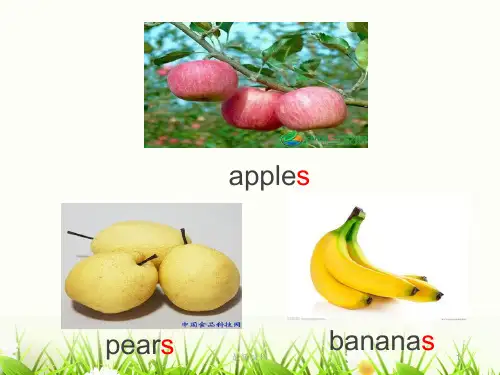
pears
bananas
最新 文档
1
cakes
fish
meat
最新 文档
milk
2
eggs
tomatoes
potatoes
最新 文档
3
Module 4
unit 1
Do you want some rice ?
最新 文档
4
noodles
rice
very nice
最新 文档
5
juice
(这里有西红柿鸡蛋面和土豆加肉面。 你想吃什么?)
Noodles with tomato and egg,please.
(西红柿鸡蛋面。)
最新 文档
14
noodles with tomato and egg
最新 文档
15
noodles with meat and potato
最新 文档
16
Mm,it's nice!
ice
juice with ice also very nice
最新 文档
6
Noodles and rice are very, very nice.
(面条和米饭非常美味。)
Juice with ice is also very nice.
(果汁加冰块也非常好喝。)
最新 文档
7
最新 文档
8
Look,Amy.Chinese fast food .
最新 文档
20
(嗯,真好吃)
最新 文档
17
Yes, please.
Do you want some···?
No, thank you.
外研版4年级英语上册教案Module 4Unit 1

Unit 1Do you want some rice?本课时是第四模块的第一单元内容(教材第20~22页)。
本单元的重点是运用句型“Do you want some...?”来询问对方是否想要某物,并能用“Yes,please”或“No,thank you”就对方的提问进行回答。
然后通过听、说、练的方式加强知识的巩固,达到学以致用的目的。
知识目标1.听、说、认读单词:want,some,juice,also,food,make,tomato,egg,potato;2.听、说单词和短语:ice,fast food;3.正确地使用“Do you want some rice/noodles?”这类句子询问他人的需求,并且正确地用“Yes,please/No,thank you”作答。
能力目标1.能够用英语正确地表达不同的食物;2.能够运用所学句型谈论食物;3.能够听懂录音材料,朗读课文,并模仿录音的语音、语调;4.能够在教师的指导下进行角色表演。
情感目标1.激发学生学习英语的兴趣;2.懂得在特定的生活场景中如何尊重对方。
教学重点1.掌握新单词及短语:want,some,juice,ice,also,food,make,tomato,egg,potato,fast food;2.掌握并灵活运用“Do you want some...?”来询问对方是否想要某物,并能用“Yes,please”或“No,thank you”就对方的提问进行回答。
借助单词卡片,通过直观的教学法学习新单词,再结合情景教学法,创设真实的情景,激发学生的思维,引导学生进行积极有效的语言输出,加强对目标句型的反复操练。
这样有利于教师将新的语言知识点自然地教授给学生。
教学难点1.在真实语言环境中,灵活地运用“—Do you want...?—Yes,please./No,thank you.”谈论对食物的需求;2.区分tomato与potato。
小学英语新外研版(一起)四年级上册M4U1第一课时教案

小学英语新外研版(一起)四年级上册Module4 Unit1Chinese people invented paper.一、设计理念在本课的教学中,我主要遵循新课标中以人为本,面向全体的教育理念,采用任务型教学方式,充分利用文本情境,让学生通过感知、体验、实践、参与、合作交流来实现任务目标。
在整个活动中我努力让自己成为一个活动者、组织者、指导者、同时又是参与者的多重身份,留足时间和空间给学生完成活动,实现学生的主动参与、自主学习。
二、教学内容本课是一年级起点第七册第四模块第一单元。
本模块的主要内容是谈论我国古代的四大发明以及说明人和物的位置。
U1的课文情景是在课上,Ms. Smart介绍中国人发明了纸,Daming说中国人很聪明。
Ms. Smart接着介绍中国人还发明了印刷术,Daming说我们可以印书和报纸。
这样的话题是有关古代科技的,所以它有助于提高学生的学习兴趣,提高他们的语言能力也很有帮助。
三、学情分析四年级的学生对学习英语有持有很大的兴趣,他们喜欢模仿并乐于表演。
因此本节课为他们提供真实的情境来学习和运用所学知识,鼓励学他们积极思考,互助合作,让他们主动参与课堂,提高课堂教学效率。
四、教学目标:1.能听懂会说并灵活运用词汇:invent, paper, important, printing, print, right, between, bicycle.2.能听懂会说并灵活运用句型:Chinese people invented paper. He invented this bicycle.3.引导学生了解中国古代四大发明和西方国家的重要发明,进一步注意到中外文化的异同。
4.让学生通过学习本课,以后能够将学习英语和学习文化知识结合起来。
5. 培养学生在活动中体会运用英语交流的乐趣,使他们在小组中积极与他人合作,相互学习,相互帮助,共同完成任务。
六、教学重难点1.重点:巩固动词过去式的规则变化。
小学英语新外研版(一起)四年级上册M4U1

A. paper
B. newspaper
C. picture
D. printing
paper maker later
Cai Lun
Chinese people invented paper.
Cai Lun invented paper.
活字印刷术
printing inting . Bi Sheng invented pr
What do people do with printing?
We print books and newspapers.
Read and choose. (print, printing)
printing (1) Bi Sheng invented ________. print a newspaper. (2) Amy didn’t _____ (3) People use ________ printing to _____ print books.
• • • •
1. Chinese people invented paper. ( ) 2. Chinese people invented printing. ( ) 3. Chinese people invented the radio. ( ) 4. Chinese people didn’t invent the telephone. ( )
精品课件
小学英语新外研版(一起)
四年级上册
市实小 清风制作
外研版新标准英语(一起)四年级上册
Module 4 Unit 1 Chinese people invented paper.
新外研版四年级英语上册《Module4 Unit1》精品教案
《Module4 Unit1》精品教案一.教学目标1. 知识目标1)掌握并运用单词:Chinese fast food want some make nice chopsticks difficult2) 熟练运用句型:“Do you want some ……?”“Yes, please. / No, thank you”、“Have you got……?”“Yes, I have. / No, I haven’t.”2. 能力目标能运用所学的语言知识在创设的情境中进行熟练的交际,并在此基础上能将其应用于日常生活之中。
3. 情感目标通过学习和了解中国和西方的食物和饮食文化差异,激发学生学习英语的兴趣,帮助学生树立学好英语的信心,增强学生的参与意识,引导学生积极与他人合作,共同完成学习任务,并在成功中体会英语学习中的乐趣和跨文化交际的能力。
二、教学重难点:1.教学重点:掌握句型Do you want some...?Yes, please. No, thank you.并能就食物的选择向他人提问或回答他人。
2.教学难点:chopsticks、difficult的发音及新句型的运用。
三、教学准备实物图片、磁带、单词卡四、教学过程step1、Warming up1 、Greetings2、RevisionT: Today we will learn the new lesson. First, let's review some words of food.( 复习以前学过的食物的单词,全体学生齐读一次。
)3、Free talkT: Can you tell me what your favorite food is? My favorite food is noodles, what is yours?S:My favorite foot is chicken.T: Chicken is very nice. (教学nice)句型:Have you got _____ in these days? Yes, I have. / No, I haven’t.(此处的教授要迅速,简明,以免时间不足)step2、presentation and practice1、T:I have got some nice food.Look.(Show the food cards and ask)T:Noodles、rice、dumplings、hamburgers and hot dogs are fast food.(Show the card and read “fast food”)And noodles、rice、dumplings are Chinese fast food.(explain “Chinese fast food”)Yes,hamburgers,hot dogs and sandwiches are Western fast food.2、T: dumplings、noodles and rice are Chinese fast food . Do you like Chinese fast food?Ss:...教学Chinese / fast food(小火车读)3、T: Boys and girls, look at me please, what foot I is this?Ss: Noodles.T: Yes, you are right. I like noodles. Do you know how to making noodles? Ss:...T:(出示图片)Look, what is he doing? X k B 1 . c o mSs:…..T: He's making noodles.(随机教学making noodles)4、T: I want some noodles. What do I need? (用体态语帮助学生理解句意,同时拿出筷子)S:T: Yep, chopsticks.教学chopsticks (把单词为两个部分chops / ticks)告诉学生这个词语用复数5、T: Chopsticks are difficult. 教学difficult (个人读,小组读,齐读)6、教授句型Do you want some...?Yes, please. No, thank you.T: Do you want some...?1)板书Do you want some...?2)引导学生回答Yes, please. No, thank you并板书7、practice /先个别后整体/1)老师轮流指着实物图片提问Do you want some...?2)全班开火车操练8、听课文录音Listen to the text and answer the questions:1. Does Amy want some rice?2. What is the man doing?3. Are chopsticks difficult for Amy?全班跟读3遍,分角色跟读并表演。
外研版英语四上M4-U1 Chinese people invented paper教案
新标准小学四年级英语教案Module4 Chinese people invented paper一、教学目标与要求1、知识目标Words: important , paper , newspaper , invented , pringting, printed Sentences: Paper is important.Chinese people invented …….Chinese people didn’t invent …….2、能力目标Help the students use these words and sentences inactivities and daily life.Help the students to know some greating inventions.Help the students to learn the past indefinite tense.2、情感态度目标Inspire the students’interest.Inspire the students to love our homeland .二、教学重点To master the basic sentence “Chinese people invented…….”To master the past indefinite tense “invent-invented , print-printed”To talk about what Chinese people invented.三、教学难点To talk about what Chinese people didn’t invent.To use these words and sentences in the past indenfinite tense correctly.四、课前准备CD-ROM PPT五、教学过程Step 1 Warm up1.sing a song CHILDREN FROM CHINA ARE CHINESE2. T: Which country is it? (point to the Chinese national flag)S: China.T:+The people from China are (Chinese)T: Are the Chinese people very clever?Ss: Yes. Chinese people are very clever.T: Chinese people invented many things.T: Chinese people invented paper, printing, compass and explosives.Step 2 Presentation and practice1.Learn Words1) (PPT)出示中国四大发明,随机板书学习单词:invent_invented paper printing说句子; Cailun/Bisheng invented paper.Chinese people invented paper/printing/compass/explosives.Chinese people are very clever.2) T: They are very important for world.板书学习单词:important 。
外研版四年级上册英语Module4Unit1Whataretheydoing说课稿
外研版四年级上册英语Module4Unit1Whataretheydoing 说课稿外研版四年级上册英语Module4 Unit1 What are they doing说课稿⼀.说教材1、教材简析我说课的内容是外研社⼩学《新标准英语》三年级起始⽤第三册Module4 Unit1 的课⽂《What are they doing》。
本Module 的主题是“in the park”,它延续Module 3 继续学习现在进⾏时态。
现在进⾏时是⼀个重要的时态,常⽤于⽇常⽣活对话中。
通过学习这个时态,学⽣将提⾼⽤英语进⾏交流的能⼒。
本Unit是这个Module重点,教材围绕in the park 发⽣的⼀系列活动这个题材,展开谈论和描述,通过在本Unit 学习主要词汇的句型,进⼀步加深现在进⾏时态的理解和运⽤,进⼀步提⾼学⽣听、说、读、写综合素质能⼒。
2、教学⽬标新课标理念是“以⼈为本”,具体表现“三位⼀体”的理念,即“知识与技能”、“过程与⽅法”、“情感态度与价值观”三个⽅⾯,下⾯我从这三个⽅⾯确定本Unit的具体⽬标:知识与技能A、能够认读本课单词,掌握短语get on the bus,lots of ,look at, row a dragon boat, play chess, do taijiquan drink soybean milkB、能够运⽤句型What are they doing? They’re . . 询问和描述⼈们正在进⾏的动作,知道别⼈正在做什么应该怎样⽤英语进⾏问答。
C、在认知和技能掌握的基础上,发挥学⽣的想象⼒,通过动作表现正在做的事情。
过程与⽅法A、采⽤由宏观微观的思维⽅式,由旧带新,由单词学习到句⼦操练,逐渐深⼊,再运⽤情境教学深⼊浅出B、采⽤⾃主、合作、探究、表演、竞争、评价的学习⽅式,激发学⽣学习和运⽤英语交流的主动性。
使学⽣体验学习,参与,合作,竞争的乐趣。
情感态度与价值观A、合作学习,以学⽣为本,注重师与⽣的亲和⼒,把语⾔训练融⼊表演与游戏中,让学⽣产⽣学习英语的兴趣;敢于、乐于、善于开⼝讲英语,积极参与交流,树⽴学好英语的信⼼。
外研版小学英语(一年级起点)四年级上册Module4 Unit1 参考教案
Module4 Unit1 参考教案一、教学内容外语教学与研究出版社(一起点)四年级上册第四模块Unit1 Chinese people invented paper.二、教学过程建议(一)热身导入1.请学生演唱SB Module3 Unit2活动4的歌曲,鼓励学生边唱边做动作。
2.播放SB Unit1活动1的动画或录音,请学生看动画或边听录音边看挂图,理解语境:小猫向小猪展示自己的新发明,是一艘脚踏船。
3.再次播放录音,请全班跟读,学习“invented”的语义,展示多个例句,并请学生造句,进行运用训练。
4.请学生小组跟读、个人跟读,然后请部分学生向全班展示。
(二)任务呈现教师告诉学生:“同学们,学校为我们班安排了一项任务,请我们制作一些海报,向外国小朋友介绍我国古代发明。
老师准备了一些材料,请大家一起来制作,好不好?我们先来学习一下怎么介绍我国古代的发明吧。
”(三)课文学习1.播放SB Unit1活动2的动画或录音,请学生看动画或边听录音边看挂图。
教师帮助学生理解课文语境。
2.再次播放录音,请学生完整听一遍课文,进一步理解语句。
播放第三遍录音,请学生逐句跟读,对于学生跟读有困难的语句,教师可按照意群、节奏重点带读,请学生注意模仿语音语调。
3.在跟读过程中,通过展示图片、做动作等方式,学习“paper,important, printing, print, right, between”的语义,并对“paper,between”进行运用训练。
4.请学生分组朗读对话,并请部分学生进行角色扮演。
5.再次展示挂图,鼓励学生看图复述课文,注意纠正学生的语音语调。
6.如果学生还没有充分掌握前一模块所学的“didn’t”的用法,教师可以在讲解课文的过程中创造巩固训练的机会,如训练“Chinese people invented paper.They didn’t invent pens. Chinese people invented printing. They didn’t invent cameras.”等语句。