
小学英语语法情态动词
You shouldn’t be working like this.
EXERCISES
一、用适当的情态动词填空
1. You needn’t worry about me.
2. He looks so pale, he must be ill.
4)表示推测,意为“想必一定、照说应 该、估计”等。 He should be free by now.
7. ought to
1). 表示义务, 作“应当”讲, 语气比should强烈
As a student, you ought to study hard.
You oughtn’t to speak so much.
4). needn`t have done 用于否定句 表示过去“本来不需要……”
You needn’t have worried about me.
你本不必为我担心。
情态动词后面跟进行时
情态动词 + be + doing
表示“想必正在……”,“可能正在……”,“应当正在”
They may be discussing our problem. She can’t be telling the truth.
You must have gone swimming, for your hair is wet now.
2). may have done 和 might have done 也许、 或许、已经
表示对过去所发生动作的推测, 常用于肯定句 或否定句。
I’m not sure. He might have invited you.
2. 表示遗憾、后悔或责备
1). should have done 和 ought to have done
用于肯定句表示“本该做某事, 而实际 上没有做”
You should have given her a hand just now.
用于否定句表示“本来不该做的事反而 做了”。
You oughtn`t to have invited him.
This kind of thing will happen.
这种事情总是要发生的
He would stay up late when he was young.
4).表示“注定会”
Fish will die without water.
5. shall
1).用于第一人称和第三人称的疑问句,
表示征求对方的意见.
委婉、客气.
Will / Would you please open the window?
2).表示意志或意愿
I will help you.
He promised that he would do anything for you.
3).表示习惯, will表示现在的习惯, 意为“总 是; 习惯于”。would表示过去的习惯性动作.
7. He daren’t come to see you again.
8.We ought to help parents with housework.
二、单项选择:
1. You A fail in the exam without hard working.
A. will B. would C. mustn‘t D. can
can /could
can只有现在式和过去式
(could), 表示一般能力
can / could /
be able to
用于多种时态, be able to was/were able to表示曾
经通过努力而做成某事
You needn’t worry about me.
情态动词
主要用法
Yowuounldeed表无n示跟’t过当w去前o习对rr惯比y 性之ab或意o重ut复m性e的. 动作,并
比 can语气更委婉,回答用原形。
Could you tell me how I can get to the zoo?
4).表示推测“可能”(用于疑问句和否定句)
She can’t be our headmaster. She has gone to
America.
2. may/might
1).表示请求、允许、许可, might比may的语
2). 表示含蓄或不完全肯定的推测, 意为“应该”或 “应是”
He ought to . dare.
用于疑问句、否定句和条件状语从句中,表示 “敢; 敢于”。
She daren`t go alone at night.
How dare you come again? Go if you dare.
A. can B. may C. ought to D. could
9.You A waken me up, it`s Sunday today. A. needn’t have B. must have C. need have D. mustn`t have
10.I hope that everyone B pass the exam. A. can be able to B. will be able to C. would be able to D. are able to
3. Plants will die without sunshine.
4. The red coat can’t . be Bob`s , he doesn`t like red at all.
5. We should learn from each other.
6. Miss Li would help me when she worked at our school.
2. He had to give up smoking because of his illness, C he?
A. did B. does C. didn’t D. doesn‘t 3. —May I wear jeans to take the party?
—Sorry, you B ,you should wear a suit.
2)表示惊讶、意外, 作“竟然”讲
To my surprise you should not know about me.
3) 表示可能性很小, 但并非完全不可能,用于if 引
导的条件状语从句。
If he should be free yesterday, he would come to our party.
11. — Don't eat in class.
—___C___
A. Yes, I won't.
3). can have done 和could have done 表示对过去所发生动作的怀疑和否定, 通 常用于否定句和疑问句
Where can Tom have gone?
I saw Li Lin playing football just now. He couldn’t have been ill.
Shall we go out for a walk?
Shall he wait for you at school?
2).用于第二人称和三人称的陈述句, 表
示“命令、警告、允诺或威胁”.
You shall do as the teacher says.
(表示命令)
You shall receive my money tomorrow.
6. There goes the bell, We'd better A speak .
A. not B. not to C. won't D. don't
7. Students D tell lies.
A. may not B. must C. can D. mustn`t
8. We C follow the rules here.
(表示允诺 )
He shall be sorry for his behavior one day, I tell you. (表示警告 )
6. should
1)表示劝告和建议, 意为“应该”
We should help each other. You should be polite to the old.
含情态动词句型基本结构
陈述句 : 主语+情态动词+ 动词原形
We should study hard.
一般疑问句 : 情态动词+主语+ 动词原形
Can you help me?
特殊疑问句:特殊疑问词+情态动词+主 语+动词原形
What should I do?
考纲情态动词用法详解 1、can与could的用法
would/ used toYou need强n调’t跟w现o在rr对y 比ab,o表ut示m过e去. 经常发
used to 生的动作或存在的状态, 表明“现在
不再以前那样了”
情态动词后面跟完成时 情态动词+have done的用法
1.对过去的推测
1). must have done表示对过去已经发生的行 为进行推测, 意为“准是、想必、一定做了某 事”, 通常用于肯定句。
9. need
表示“需要; 必要”, 用于疑问句、否定句和 条件状语从句。
You needn’t worry about me. Need I give you a hand?
Need I help you if you get into trouble?
容易混淆的情态动词 用法区别
小学语法情态动词can的用法

小学语法情态动词can的用法在小学英语语法中,情态动词 can 是一个非常重要的知识点。
它虽然看似简单,却有着丰富的用法和含义,对于小学生们来说,掌握好它能够为英语学习打下坚实的基础。
首先,can 最常见的意思是“能够;会”,表示具备做某事的能力。
比如,“I can swim”(我会游泳。
)这里的 can 就表明了“我”拥有游泳这项技能。
再比如,“She can play the piano”(她会弹钢琴。
)这说明“她”有弹钢琴的能力。
当我们想要表达“能;可以”,用来请求或允许做某事时,can 也能派上用场。
比如说,“Can I go to the park?”(我可以去公园吗?)这是在请求对方的许可。
又比如,“You can read this book”(你可以读这本书。
)这是给予对方阅读这本书的许可。
can 还可以用于否定句,表示“不能;不会”。
例如,“I can't fly”(我不会飞。
)“He can't ride a bike”(他不会骑自行车。
)这里的 can't 就是 can not 的缩写形式,清晰地表达了不具备某种能力。
在疑问句中,can 通常置于句首。
像“Can you sing?”(你会唱歌吗?)“Can they come tomorrow?”(他们明天能来吗?)通过这样的提问,可以了解到对方是否具有某种能力或者能否做某事。
需要注意的是,can 没有人称和数的变化,无论主语是第一人称、第二人称还是第三人称,无论是单数还是复数,都用 can 这个形式。
比如,“We can dance”(我们会跳舞。
)“He can run fast”(他能跑得很快。
)“The girls can draw well”(这些女孩画画画得好。
)为了让同学们更好地掌握 can 的用法,我们可以通过一些有趣的练习来巩固。
比如,给出一些图片,让同学们用“can”或“can't”来描述图片中的人物能做或不能做的事情。
小学情态动词的句型转换讲解及练习
小学情态动词的句型转换讲解及练习情态动词是英语语法中的一个重要组成部分,是文章中用于表达推测、猜测、建议等含义的动词。
小学阶段是英语语言研究的重要时期,因此了解情态动词的正确使用十分必要。
什么是情态动词情态动词是一种助动词,常常用于表示某种能力、必要性、愿望、推测等情况。
动词本身表示的是动作或状态,而情态动词则表示说话人的态度或语气。
常见的情态动词有:- can- could- may- might- must- shall- should- will- would情态动词的句型转换在句子中,情态动词的位置可以变化,因此我们可以利用这一点来进行句型的转换。
以下是一些常见的情态动词句型转换:1. 直述句→ 疑问句直述句:They can swim.疑问句:Can they swim?2. 直述句→ 否定句直述句:He should finish his homework.否定句:He should not finish his homework.3. 直述句→ 疑问句+否定句直述句:You may eat the cake.疑问句+否定句:May you not eat the cake?现在我们来做一些练,更好地掌握情态动词的句型转换。
练题1. 直述句:They can play the guitar.疑问句:否定句:2. 直述句:She should go to bed early.疑问句+否定句:3. 直述句:I will finish my homework tomorrow.否定句:疑问句+否定句:练答案1. 直述句:They can play the guitar.疑问句:Can they play the guitar?否定句:They cannot play the guitar.2. 直述句:She should go to bed early.疑问句+否定句:Shouldn't she go to bed early?3. 直述句:I will finish my homework tomorrow.否定句:I will not finish my homework tomorrow.疑问句+否定句:Won't I finish my homework tomorrow?以上是小学情态动词的句型转换讲解及练习,希望能对您有所帮助。
小学情态动词Can的语法讲解ppt课件
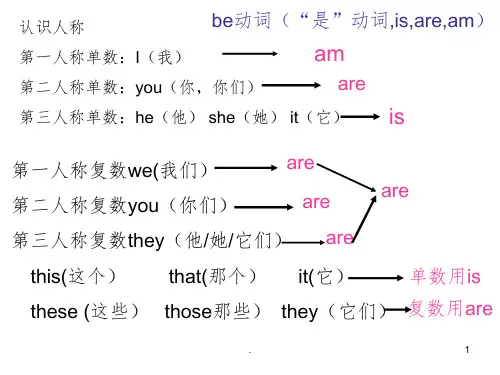
.
2
教学目标: 1.能掌握情态动词can的基本句型变化 2.能灵活做题 3.重点:can+v.原形 4.难点:能灵活做题
.
3
情态动词can的用法:
• 情态动词本身有一定的语义,表示说话人 的情绪、态度或语气。没有人称和数的变 化,can表示“能、会”,后接动词的原形。 如:
• I can sing.
练习: 肯定陈述句 否定陈述句
2. 你会骑马 You can___r_id_e___(ride)a horse.
You can’t ride a horse.
一般疑问句
Can you ride a horse?
肯定回答
Yes,I can.
否定回答
No,I can’t. .
7
3.Lingling会游泳
.
11
练习:
一、把下列句子变为ቤተ መጻሕፍቲ ባይዱ定句。
• 1、Lingling can ride a horse. • 2、He can speak Chinese. • 3、Lingling and Daming can play the piano. • 4、My father can play table tennis. • 5、She can swim.
1.肯定句变否定句直接在can后加not,缩写为can’t。
如:I can read. →I can’t read.
2.陈述句变一般疑问句直接把can提前,其它不变照抄 如: She can swim. →Can she swim ? 肯定回答: Yes,主语+can. 否定回答: No,主语+can’t.
一般疑问句: Can you play the pipa?
英语语法情态动词
情态动词也叫语气动词,表示说话人对所说动作的看法,认为它"可能"、"应当"、"必要"等。
情态动词不能单独作谓语动词,只能和动词原形一起构成谓语动词。
英语里的情态动词主要有:can (could), may (might), must, shall, will, would, need, dare, should, ought to。
情态动词在任何主语后没有人称和数的变化。
1. can 和could⑴表示能力Whales cannot live on land.A computer can't think for itself. 计算机不会独立思考。
He hurt his foot and couldn't play football.◆be able to 可用于多种时态,can和could只用于现在时和过去时。
He will be able to go with us this afternoon.I haven't been able to see the difference yet.◆如果表示"做到","设法干成了某事",常用be able to …来表达(相当于managed to do sth. 或succeeded in doing sth. ),而不用can /could。
With the firemen, they were able to escape from the burning house.We were able to get there before the meeting began.⑵表示可能性can表示可能性时,常用于疑问句和否定句中。
Can this be true? Can it be Mr. Black?He can't be at home. 他不可能在家。
情态动词(英语语法)
情态动词(一)情态动词表示推测的情态动词有must,will ,would ,should ,ought to ,can ,could ,may ,might它们在表示推测的语气由强到弱。
1、must表示“应该、必须”的含义时语气比should强烈,在使用时要特别注意以下两个方面:①在回答must表示猜测的问句时,否定回答常用can’t或couldn’t②在回答must表示“必须”的问句时,否定句回答常用needn’t或don’t haveto2、will/would可用于表示预想或猜想。
此外,在表示有规律的“注定会”时,也用will表示3、should用于表示推测时意为“可能、会”。
除表示推测外,should可用于第一人称,表示说话人的一种谦逊、客气的语气。
4、ought to在表示推测时,意为“想必”另外ought to在表示职责、义务时和should有细微差别:should多表达个人的主观看法;ought to则反映客观情况。
5、can/could在表示推测时,常表示客观的可能性。
此外,can和could还可以表示说话者惊讶、怀疑或不相信的态度。
该用法主要用在否定句、疑问句和感叹句中。
另外在实际使用时要注意can’t即可表示“不可能”是针对must的回答;也可意为“不能够”主要针对can的回答。
6、may/might除了表示推测外,may可用于祈使句中表示祝愿;另外,在may提问的疑问句的否定回答中,要用mustn’t(二)、情态动词+have+过去分词的用法1、“must+have+过去分词”表示对过去的一种肯定的推测,意为“肯定,一定”2、“may/might+have+过去分词”表示对已经发生的事情的推测,意为“可能、大概”3、“should/ought to+have+过去分词”用于肯定句时,表示过去没有发生但却应该发生的事情;用于否定句时,表示过去发生过了本不应该发生的事情。
4、“can(not)+have+过去分词”表示对过去(不)可能发生的事情的推测,多用于否定句和疑问句中。
六年级英语上册语法复习课:情态动词

五、 will, would 1 ) 表示请求、建议等,would更委婉;
Will / Would you pass me the pen, please? 2 ) 表示意志、愿望和决心;
I will never do that again. 3) 表示估计和猜想;
It would be about 11 o’clock when he left home.
3. We will have an English party this Sunday. 变为否定句: _W_e__w_i_ll_n__o_t _h_a_v_e_a_n__E_n_g_l_is_h__p_a_r_ty__t_h_is__S_u_n_d_a_y. 对划线处提问: _W__h_a_t_w__il_l _y_o_u_d_o__t_h_is__S_u_n_d_a_y_?_____________
否定回答时可用can’t 或mustn’t, 表示“不可以,禁止”; — Might/ May I smoke in this room? — No, you mustn’t. — May/Might I take this book out of the room? — Yes, you can. (No, you can’t / mustn’t. ) 用May I...?征徇对方许可时比较正式和客气,而用Can I...? 在口语中更常见;
4. My friend can jump high. 变为否定句: __M__y_f_r_ie_n_d__c_a_n_n_o_t__ju_m__p__h_ig_h_._____________ 对划线处提问: _W__h__o_se__fr_i_e_n_d_c_a_n__j_u_m_p__h_i_g_h_?_____________
情态动词英语语法知识点
情态动词英语语法知识点情态动词,本身有一定的词义,表示语气的单词。
但是不能独立作谓语,只能和动词原形一起构成谓语。
这次小编给大家整理了情态动词英语语法知识点,供大家阅读参考。
1 情态动词的语法特征1) 情态动词不能表示正在发生或已经发生的事情,只表示期待或估计某事的发生。
2) 情态动词除 ought 和 have 外,后面只能接不带 to 的不定式。
3) 情态动词没有人称,数的变化,即情态动词第三人称单数不加-s。
4) 情态动词没有非谓语形式,即没有不定式,分词,等形式。
1 情态动词的语法特征1) 情态动词不能表示正在发生或已经发生的事情,只表示期待或估计某事的发生。
2) 情态动词除 ought 和 have 外,后面只能接不带 to 的不定式。
3) 情态动词没有人称,数的变化,即情态动词第三人称单数不加-s。
4) 情态动词没有非谓语形式,即没有不定式,分词,等形式。
2 比较 can 和 be able to1)can could 表示能力;可能 (过去时用 could),只用于现在式和过去式(could)。
be able to 可以用于各种时态。
They will be able to tell you the news soon. 他很快就能告诉你消息了。
2)只用 be able toa. 位于助动词后。
b. 情态动词后。
c. 表示过去某时刻动作时。
d. 用于句首表示条件。
e. 表示成功地做了某事时,只能用 was/were able to,不能用 could。
He was able to flee Europe before the war broke out. = He managed to flee Europe before the war broke out.注意:could 不表示时态1)提出委婉的请求, (注意在回答中不可用 could)。
--- Could I have the television on?--- Yes, you can. / No, you can't.2)在否定,疑问句中表示推测或怀疑。
小升初小学五六年级英语情态动词语法
小升初小学五六年级英语情态动词语法一、概念:表示句子主语或说话者对动作或状态的各种情感或态度。
二、用法:1.can\could①can\could表示能力,用于肯定句、否定句、疑问句。
-Can you swim ? --Yes,I can .②在否定,疑问句中表示推测或怀疑。
He couldn't be a bad man.他不大可能是坏人。
Can this sweater be Toni's ?这件毛衣可能是汤姆的吗?③表示许可。
Eg: You can go home now .④用could表示更礼貌、更委婉的请求,(注意在回答中不可用could)。
Could you tell me the way to the zoo?2.may\might①表示允许或请求.You may go now .②表示没有把握的推测.He might be at home.③may放在句首,表示祝愿.May God bless you!愿上帝保佑你。
[注意]:might表示推测时,不表示时态。
只是可能性比may小。
3.have to\must①两词都是“必须”的意思,have to表示客观的需要,must表示说话人主观上的看法。
I have to go now,我现在不得不走了。
(客观上需要做这件事)I must go now.我现在必须走了。
(主观上要做这件事)②have to有人称、数、时态的变化,而must只有一种形式。
He had to look after his sister yesterday.③在否定结构中:don*t have to表示不必(没有必要)mustn't 表示禁止(不能)You don't have to tell him about it.你不一定要把此事告诉他。
You mustn't tell him about it. 你一定不要把这件事告诉他。
小学英语语法讲解-动词 情态动词
情态动词一、情态动词的定义:情态动词有词义,但它不能单独作谓语,它必须和其他动词一起构成谓语。
情态动词没有人称和数的变化;它的后面必须跟动词原形。
1、Can I help you? ——Yes, please. / No, thanks.2、Can + 主语+ 动词原形? Yes, ~can. No, ~can’t.3、Can I borrow your book?----Yes,of course.4、Can I write on the book? ------No, you can’t\mustn’t.5、Could \Can you help me?---- Yes,of course.\Certainly.\ Sure.6、Could \Can you tell me the way to the Zoo?7、May I come in ?----- Come in, please.8、May I sit here?----- Yes, please.\Sorry, please don’t.9、May I have some Coke?---- Yes, of course.10、May/ Could / Can I speak to Tom? -----Speaking. Who’s calling?11、should 、shouldn’t 表示劝告:1) He should get up early.2) She shouldn’t play computer game too much.12、Should +主语+动词原形? Yes, ~should.\ No, ~shouldn’t.13、表示建议“你愿意…吗”Would you like to go shopping with me?-----Yes, I’d love to. /I’d love to. But I’m busy now.14、就餐用语Would you like something to eat\drink? ----Yes, I’d like…15、shall用于第一人称(I, we), 可以表示“将”和表示建议“……好吗?”1) Where shall we have dinner?2) Shall we go fishing? -----All right. \OK. \Good idea.16、Must + 主语+ 动词原形? ---Yes,~must.\No, ~needn’t.四、相关练习:(一) 用适当的情态动词填空。
小学英语语法课件-情态动词can PPT课件 全国通用
Dolphins can jump high and do tricks. Dolphins can’t fly. — Can dolphins see well and make lots of sounds? — Yes, they can. What can dolphins do?
小 学 英 语 语 法课件 -情态动 词can P PT课 件 全 国 通用
小 学 英 语 语 法课件 -情态动 词can P PT课 件 全 国 通用
Presentation
Sentences
1. 肯定句:主语+can +动词原形+其他 I can dance. 我会跳舞。
2. 否定句:主语+can’t+动词原形+其他 I can’t dance. 我不会跳舞。
3. 一般疑问句及回答:Can+主语+动词原形+其他? — Can you dance? 你会跳舞吗? — Yes, I can. / No, I can’t. 是的,我会。/不,我不会。
Sentences
He can’t be at home. 他不可能在家。 Can he come here today, please? 请问他今天能来这里吗?
can在句中表示可能,常用于否定句或疑问句中,指某种 可能性。
小 学 英 语 语 法课件 -情态动 词can P PT课 件 全 国 通用
小 学 英 语 语 法课件 -情态动 词can P PT课 件 全 国 通用
小 学 英 语 语 法课件 -情态动 词can P PT课 件 全 国 通用
Presentation
Sentences
Koalas and polar bears can climb fast and swim fast. Koalas and polar bears can’t fly. — Can koalas and polar bears eat fish and plants? — Yes, they can. What can koalas and polar bears do?