
外研版英语五年级下册第三模块第一单元
Unit 1 She had eggs and sausages
学习任务
What did she have for breakfast/lunch/dinner?
She had…
功能
谈论饮食习惯
运用任务
1、SB第一单元活动3
2、列出昨晚的食谱,说说自己喜欢或不喜欢的食品。
教学程序
一、Warm up:(热身复习)
T: Hello, boys and girls.
S: Hello, teacher.
T: What’s your favourite food?
S: My favourite food is…
二、Presentation:(介绍课文导入)
T: I had bread this morning, what did you have?
Ss: I had rice/milk/noodles…
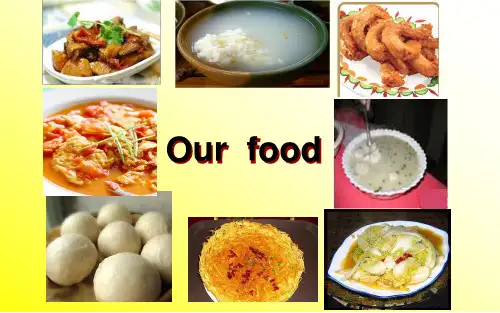
T: We always have rice, noodles, and dumplings for meals. They are Chinese food.
Do you know English food?
Ss: Talk about English food which they know.
T: Tell the student Daming get an email from Lingling. It’s talk about English food.
Now let’s see what Lingling introduces. Then write the title.
三、Teach new lesson:(课文教学)
Step1 Show them some new word cards and teach them the pronunciation.
Step2 Open their books; listen to the tape for the first time, ask the students to find out the new words and the name of the food.
And explain some English eating habits.
Step3 Give the student some questions:
1、What did Daming have got?
2、What did Lingling have for breakfast/lunch/dinner?
Listen to the tape for the second time, ask the students to answer the
question, and then check the answer together.
Step4 Ask the students to see the pictures and play the tape, the students read after it. At last the students read the text in pairs.
三、Practice(练习)
1、Ask the student to see the third part of the text. Use the sentences to
make dialogues in pairs.
2、完成运用任务1:SB第一单元活动3
3、完成运用任务2:列出昨晚的食谱,说说自己喜欢或不喜欢的食品。
五、Homework(家庭作业)
Go over the text. Pay attention to the important sentences and the name of the food.
板书设计:
Unit 1 She had eggs and sausages
What did she have for breakfast/lunch/dinner?
She had…
练习:
按要求写单词.
give(过去式)______________ city(复数)____________ drink(过去式)____________
sing(名词)_____________eat(现在分词)___________ study(过去式)___________ dangerous(反义词)___________ shop(现在分词)_______________
know (同音词). wear (同音词) same (反义词)3 用动词的正确形式填空(5分)
1).Many years ago, she_________(cook) on a fire.
2).Let’s______________(go) to the supermarket.
3).He ____________(do) her homework last night.
4).They ________(be) going to cook English food.
5).Lingling had a sandwich because she- (like) hamburgers.
教后记:。
英语外研版五年级下第三模块ppt课件
had ate gave drank did dropped went taught
are learn dance talk cook watch live is
were learnt danced talked cooked watched lived was
复习单词:
香肠
三明治 汉堡
薯条 可口的 传统的 鸡蛋 电子邮件
It’s about English food.
What did you have for
breakfast?
I had milk.
Don’t waste food! 不要浪费食物
Sam ate four hamburgers
• eggs eggs
chant
• I had eggs.
• sausages sausages
I ate\drank ...
What are you going to eat\drink t_o_ni_g_ht_?
I'm going to eat\drink ...
Exercises:
1. What did you eat last night? (eat/ ate)
2. I ate meat for lunch yesterday. (eat/ ate)
I drank
milk
for breakfast yesterday.
juice
I drank for lunch yesterdatyea.
water
I drank for dinner yesterday.
-What are you going to eat tonight? -I am going to eat…
外研版三起五年级英语下M1重点句型和短语
外研版三起五年级英语下M1重点句型和短语一、短语:1.live in住在....2.still in England仍然在英国3.a programme about China一个关于中国的节目4.I`m coming!我就来!5.old lady老女士(an old lady一位老女士)6.in China在中国7.many years ago许多年以前8.in a small house在一个小房子里9.enough food足够的食物10.How about....?....怎么样?11.lots of许多12.every day 每天13.watch TV看电视14.Thank you for.....为...而感谢你15.talk to....和.....谈话16.miss China想念中国17.four years ago四年以前18.a television programme about China一个关于中国的电视节目st year去年20.talk about her life谈论她的生活21.on a fire在火上22.work in the fields在田里干活23.nothing stay with the same没有什么留下是一样的(相同的)24.the world 世界25.go round the circle转圆圈26.not...at all一点也不二、句型:1.I`m coming!我就来!【这是一个现在进行时态的句子,在这里表示将来的动作。
现在进行时表示一个在最近按计划或安排要进行的动作,多有一个表示未来时间的状语,这种情况仅限于少量的动词,如:go,come,leave,work,stay,have等词。
】再如:--Tom,supper is e quickly.---Ok,I`m coming.汤姆,晚饭准备好了。
快过来。
好的,我就来!2.Life was very different in China many years ago.在中国,许多年以前的生活非常不同。
五年级下册英语教案-Module3Unit1|外研社(三起)
五年级下册英语教案Module3 Unit 1|外研社(三起)教学内容本节课是外研社五年级下册英语第三模块第一单元的内容。
课程主要围绕“日常生活”这一主题展开,包括对家庭成员、日常活动以及简单的时间表达进行学习。
通过本节课的学习,学生能够掌握描述家庭成员和日常活动的英语表达方式,并能运用所学知识进行简单的日常对话。
教学目标1. 知识目标:学生能够理解并运用家庭成员和日常活动的相关词汇,如“mother, father, sister, brother, eat, sleep, read, play”等。
2. 技能目标:学生能够运用一般现在时描述家庭成员的日常活动,如“She eats breakfast at 7:00 am.”。
3. 情感目标:培养学生对英语学习的兴趣,增强其英语表达的自信心。
教学难点1. 正确运用一般现在时描述家庭成员的日常活动。
2. 时间表达的正确使用,如“at 7:00 am, in the morning, in the afternoon”等。
教具学具准备1. 教材:外研社五年级下册英语教科书。
2. 多媒体设备:用于播放教学视频和音频。
3. 家庭成员和日常活动的图片卡片。
4. 黑板和粉笔。
教学过程导入利用多媒体播放一段关于家庭成员和日常活动的视频,激发学生的兴趣。
引导学生讨论视频中的内容,并尝试用英语进行简单描述。
新课展示通过图片卡片展示家庭成员和日常活动的词汇。
教师引导学生跟读并模仿发音。
通过示例句型,教授学生如何运用一般现在时描述家庭成员的日常活动。
练习环节学生两人一组,利用图片卡片练习描述家庭成员的日常活动。
教师巡回指导,纠正发音和语法错误。
小组活动学生分成小组,每组选择一个家庭成员,合作编写一个关于该家庭成员日常活动的短剧。
每组进行表演,其他学生观看并给予评价。
布置作业:学生回家后,向家长描述家庭成员的日常活动,并尝试用英语进行对话。
板书设计1. 家庭成员和日常活动的词汇。
外研版(三起)五年级下册英语Module3大单元说课
大单元教学下的整合教学设计说课——以外研社(三起)五年级下册Module3为例一、模块教材分析本模块是外研社新标准英语(三年级起点)五年级下册第三模块的学习内容,属于“人与自我”范畴,主题是“English food”。
第一单元的课文情境是Daming 告诉Fanfan他收到了Lingling 的电子邮件,由此展开Lingling 一日三餐的情况。
第二单元的课文是Amy写给Daming的一封信。
Amy告诉Daming ,今天Sam在学校吃了四个汉堡包。
话题内容与学段教学内容分别与饮食、食物都有关联,在谈论一日三餐的基础上,进一步谈论中西方饮食习惯的差异。
本模块意图让学生运用一般过去时的特殊疑问句及答语来询问和表达一日三餐都吃了什么,了解掌握相关的英国传统食物名称,引导学生了解最有益于健康、最科学的饮食结构,养成良好的饮食习惯。
本模块继续巩固一般过去时的运用,教师可以引导学生进一步归纳、总结动词过去时的形式。
本模块的任务是在小组内调查学生一日三餐的情况,选出“健康饮食小达人。
”1.模块教学内容横向关联模块单元Module 1 Unit1 We lived in a small house.Unit2 She didn’t have a television.Module2 Unit1 She learnt English.Unit2 Mr Li was a teacher.Module3 Unit1 She had eggs and sausages.Unit2 Sam ate four hamburgers.Module6 Unit1 I went there last year.Unit2 She visited the Tianchi LakeModule9 Unit1 We laughed a lot.Unit2 Mum bought new T-shirt for you.学段模块及单元题目话题功能三年级下册Modul4 Unit1 Do you like meat? 谈论对事物的喜爱四年级上册Modul4 Unit1 Do you like some rice? 谈论是否想要吃某种事物五年级上册Module6 Unit1 What did you buy? 谈论超市购物及食物的数量二、学生学情分析1.知识储备学生已经有了两年的学习基础,有了一定的词汇量,对一般过去时有了基础的认知。
最新j外研版五年级英语下册Module 3 Unit 1

最新外研版五年级英语下册Module 3 Unit 1教学设计Unit1 She had eggs and sausages教材来源:外研版小学五年级《英语》2014版内容来源:五年级《英语(下册)》第三模块主题:She had eggs and sausages .课时:共8课时,第1 课时教材和学情分析:本节课是新授课,内容是谈论英国的食物,用一般过去式谈论饮食,以问答形式谈论别人吃了什么。
话题来源于生活,学生感兴趣, 在四年级和五(上)英语学习中接触过过去时态,学生在新课学习时不会感到很困难,只要安排恰当,教学任务会较轻松完成。
一、教学目标(Teaching aims)(一)知识目标(Knowledge aims)1. 听、说、读、写单词had , English, breakfast, lunch, hamburger, sandwich, fish ,chips ,dish ,traditional 。
2. 听、说、读、写并运用句型What did she have for breakfast/lunch/dinner ? She had eggs and sausages/hamburgers……来谈论自己或询问他人的饮食。
3. 根据具体情景运用所学的目标语言表达自己和别人的日常饮食She/He/Ihad …..for breakfast….(二)能力目标(Ability aims)运用目标语言谈论日常饮食,愉快跟同伴交流,提升运用英语能力。
( 三)情感目标(Emotion aims)1,培养学生自主学习的良好习惯,体验中西方文化在国家发展史上的异同之处,掌握询问他人一日三餐的表达方式。
2,通过老师对学生针对性的评价,让学生展现良好的英语风采,增强他们自信心和成就感,提高学习英语的积极性。
3,培养学生观察思考,积极与人沟通和合作交流的能力。
二、教学重难点(Teaching points and difficulties)1. 听、说、读、写单词breakfast,lunch,dinner,sausages,hamburger…2. 运用句型What did she/you have for breakfast/lunch/dinner?.She/I had eggs and hamburgers……询问他人的一日三餐饮食。
英语外研版(三起)五年级下册—Module3 Unit1She had eggs and sausa
英语外研版(三起)五年级下册—Module3 Unit1:She had eggsand sausages说课稿一、教材背景本节课是英语外研版(三起)五年级下册的第三模块,共四个单元。
本单元的主题是“How much did you eat for breakfast?”,让学生学会询问和回答别人的早餐情况,并通过绘本故事和活动来丰富语言知识和表达能力。
二、教学目标1.学习并掌握新单词:eggs,sausages,juice,cereal和toast;2.能够描述早餐食物的名称和数量;3.能够与同伴进行简单的交流并了解他人早餐食物的情况;4.能够通过绘本故事和活动,提高听力理解能力和口语表达能力。
三、教学重点1.生词的学习与掌握;2.学习数字的表达和应用;3.学生的口语表达能力的提高。
四、教学难点1.描述早餐食物的名称和数量;2.学生的听力理解能力的提高。
五、教学过程1. Warm-up让学生以小组为单位讨论自己今天早上吃的早餐,并询问其他同学的情况。
引导他们运用英语进行交流。
2. Pre-reading让学生观看绘本《What Did You Eat For Breakfast?》,并回答问题:1.这本书的主题是什么?2.书中主要讲述了哪些食物?3.书中出现了多少个孩子?通过这一步,让学生初步了解今天课程的主题,并激发他们进一步的学习兴趣。
3. While-reading让学生阅读绘本,并在阅读过程中逐步学习新单词。
老师可以采用影视资料、图片等多种形式巩固学生对新单词的理解和记忆。
同时,老师也应适时地进行简单的练习,以帮助学生更好地掌握新单词的用法和含义。
例如,可以让学生猜测某个词汇的意思,从而增强学生的参与感。
4. Post-reading1.让学生在小组内进行互相交流,谈谈自己喜欢吃什么样的早餐食物,以及对书中孩子们的早餐有什么看法和感受;2.让学生模拟出去早餐的情境,进行对话练习,提升其口语表达能力;3.让学生练习说出自己早餐食物的名称和数量,老师可以进行即时点评和鼓励,以激发学生更积极地参与课堂的学习。
外研版(三起)五年级英语下册 Module 3 Unit 1
请课后与同学练习本课 对话及句型!
Thanks for watching!
She had eggs and sausages.
Let's Read! Read the above conversations. 请大声朗读以上对话!
What did you have for breakfast yesterday?
I had ...
请与你的同学 一起完成上述 对话。
Listen, read and act out.
• Daming: Look! I have got an email from Lingling. It's about English food.
• Fanfan: What does it say?
Listen, read and act out.
She had eggs and sausages. 她吃了鸡蛋和香肠。
1. Listen and Chant!
• What did you have for dinner? • Bread,meat and a hamburger. • What did you have for dinner? • Fish,eggs and a hamburger.
• Daming: Yesterday she had an English breakfast.
• Fanfan: What did she have?
• Daming: She had eggs and sausages.
Listen, read and act out.
• Fanfan: And what did she have for lunch?
food. • Fanfan: Does Lingling like English food? • Daming: Yes, she says it's delicious.
五年级下册英语教案-第三模块第一单元-外研社(三起)
五年级下册英语教案第三模块第一单元外研社(三起)教学内容本节课我们将学习外研社五年级下册英语第三模块第一单元的内容。
这一单元主要围绕“家庭成员”这一主题展开,包括对家庭成员的介绍、描述以及家庭成员之间的互动。
学生将通过学习本单元,掌握相关的词汇和句型,并能运用这些知识描述自己的家庭成员。
教学目标1. 知识与技能目标:学生能够掌握并运用本单元的关键词汇和句型,如“mother”, “father”, “sister”, “brother”等,以及句型“I have a ”。
2. 过程与方法目标:通过小组合作、角色扮演等活动,提高学生的英语听说能力,并培养他们的合作意识。
3. 情感态度价值观目标:培养学生对家庭的热爱和尊重,以及积极向上的生活态度。
教学难点本节课的教学难点在于正确运用家庭成员的词汇和句型进行描述,尤其是对于家庭成员之间关系的准确表达。
学生需要理解并运用一般现在时来描述家庭成员的特点和活动。
教具学具准备教学课件家庭成员图片卡片录音设备小组活动材料教学过程1. 导入:通过播放家庭成员的图片,引导学生复习之前学过的相关词汇,激发学生的学习兴趣。
2. 新授:介绍本单元的新词汇和句型,通过实物展示、图片辅助等方式,帮助学生理解和记忆。
3. 练习:设计小组活动,让学生在小组内运用新学的词汇和句型进行家庭成员的介绍。
4. 巩固:通过角色扮演,让学生模拟家庭成员之间的对话,进一步巩固所学知识。
板书设计关键词汇:mother, father, sister, brother, family句型:I have a作业设计1. 书面作业:完成教材上的练习题,巩固词汇和句型的运用。
2. 口头作业:向家人介绍自己的家庭成员,并用英语描述他们的特点。
课后反思本节课通过多种教学活动,帮助学生掌握了家庭成员的词汇和句型。
在小组活动和角色扮演中,学生的参与度和积极性较高,但在家庭成员关系的描述上还存在一些困难。
在今后的教学中,需要加强对这一知识点的讲解和练习,以提高学生的运用能力。
外研版英语(三起点)五年级下册 module1 大单元教学设计(基于新课标教学评一体化)
外研版英语(三起点)五年级下册 module1 大单元教学设计(基于新课标教学评一体化)In today's rapidly evolving educational landscape, designing an effective teaching approach that aligns with the latest curriculum standards is of paramount importance. This module centers around crafting a comprehensive teaching plan for the Module 1 of the Foreign Research Press English Textbook (Three Starting Points) for Grade 5, Lower Volume. By seamlessly integrating the new curriculum standards with a holistic teaching, learning, and assessment approach, we aim to cultivate a dynamic and engaging learning environment that empowers students to excel in their English language proficiency.The overarching goal is to foster a student-centered learning experience that nurtures critical thinking, communication skills, and cultural awareness. To achieve this, we will employ a multifaceted strategy encompassing interactive classroom activities, technology-enhanced learning resources, and authentic real-world scenarios. Through a judicious blend of teacher-led instruction and student-driven exploration, we strive to create an immersive language learning experience that resonates with the diverse needs andlearning styles of our students.A key component of this teaching design is the integration of formative and summative assessments throughout the learning process. Continuous evaluation not only provides valuable insights into student progress but also informs instructional adjustments to address any gaps or areas requiring additional support. By embracing a data-driven approach, we can tailor our teaching strategies to maximize student engagement and ensure a comprehensive understanding of the subject matter.Furthermore, we will leverage the power of technology to enhance the learning experience. Incorporating multimedia resources, interactive online platforms, and digital tools will not only captivate students' interest but also equip them with the necessary skills to navigate the digital age. Embracing technological advancements aligns with the overarching goal of preparing students for the demands of the 21st century.Collaboration and peer-to-peer learning will also play a pivotal role in this module. Through group projects, discussions, and peer feedback sessions, students will have the opportunity to hone their interpersonal and teamwork skills while simultaneously deepening their understanding of the English language. By fostering a supportive and inclusive learning community, we aim to cultivate asense of mutual respect, empathy, and cultural awareness among our students.Throughout this module, we will emphasize the importance of real-world applications and cross-curricular connections. By drawing connections between the English language and other subject areas, such as science, social studies, and the arts, we will demonstrate the relevance and versatility of language learning. Additionally, we will incorporate authentic materials and real-life scenarios to ensure that the acquired knowledge and skills are transferable and applicable beyond the classroom setting.In conclusion, this comprehensive teaching design for Module 1 of the Foreign Research Press English Textbook (Three Starting Points) for Grade 5, Lower Volume, represents a holistic approach to language education. By seamlessly integrating the new curriculum standards, embracing student-centered pedagogies, leveraging technology, fostering collaboration, and emphasizing real-world applications, we aim to create a transformative learning experience that empowers students to become confident and proficient communicators in the English language while also developing essential 21st-century skills.。
外研社(三起)小学英语五年级下册Unit 1[3] 课件
hamburger
状元成才路 状元成才路
breakfast lunch
状元成才路
状元成才路
状元成才路
状元成才路
状元成才路
状元成才路
状元成才路 状元成才路
sandwich 状元成才路
状元成才路
状元成才路
traditional
English
点击骨头,狗狗才会乖乖过来吃噢!
Listen and chant.
状元成才路
状元成才路
状元成才路
It’s a _tr_a_d_i_ti_o_n_a_l _E_n_g_li_s_h_f_o_o_d_.
状元成才路
状元成才路
状元成才路
状元成才路 状元成才路
breakfast.
状元成才路
Fanfan: What did she have? 状元成才路 状元成才路
Daming: She had eggs and sausages. 状元成才路
状元成才路
状元成才路
状元成才路 状元成才路
状元成才路
状元成才路
状元成才路
Fanfan: And what did she have for lunch?
状元成才路
状元成才路
What did you have for dinner?① Bread, meat and a hamburger. What did you have for dinner? Fish, eggs and a hamburger.
Listen, read and act out.
Daming got an _e_m__a_il_ from _L_in_g__li_n_g_.
状元成才路 状元成才路