
高三英语一轮时态复习:趣讲时态课件(共115张)
低起点高效快速突破
轻松愉快的氛围
一、一般现在时:
概念:经常、反复发生的动作或行为及现在的 某种状况。 时间状语: always, usually, often, sometimes, every week (day, year, month…), once a week, on Sundays, etc. 基本结构:①be动词;②行为动词 否定形式:①am/is/are+not;②此时态的谓语动 词若为行为动词,则在其前加don't,如主语为第 三人称单数,则用doesn't,同时还原行为动词。 一般疑问句:①把be动词放于句首;②用助动 词do提问,如主语为第三人称单数,则用does, 同时,还原行为动词。
They were playing football.
表示位置移动的动词如come, go, leave, fly, set off等用过去进行时表示按计划,安排过 去某时刻将要发生的动作。例:
He said they were leaving for Beijing the next day. 他说他们第二天要去北京。
Please don't call me between 8:00 and 10:00 tomorrow. I'll be having my classes then.
明天8点到10点之间请不要给我打电话,我那时正在上课。
Please come tomorrow afternoon,
I'll be having a meeting at ten tomorrow morning.
现在完成时
1.概念:表示发生在过去,持续到现在,可能刚
刚结束也有可能继续进行下去的动作或状态,甚 至延续到将来,并对现在造成一定的影响或结果。 常与since+过去时(间), for+一段时间连用。
表示与现在有联系的过去的动作。
2.时间状语:yet, already, just, never, ever, so far, by now, since+时间点,for+时间段,recently, lately, in the past few years, etc.
当描述过去将来的事情时, 条件状语从句、时间状语 从句和让步状语从句用一般过去时,主句用过去将来时。 如;
She would give me a gift when she came again.
她再回来就给我一个礼物。
He bought a watch but lost
it. 他买了一块表,但是丢了。
I had intended to join their games. 我本打算参加他们的比赛。
过去进行时的用法 1. 基本用法 A. 表示过去某一时刻或过去某一段时间内正在进行的动 作。句中经常有过去的时间点或过去动作陪衬。例: He went towards the fire, which was still smoking. 他走向那堆还在冒烟的火。
He told me he had a good dream last night. 他告诉我他昨晚做了一个好梦。
表示过去经常或反复发生的动作。常接时间副词often, usually, always, sometimes, every day / week, etc. 如:
We often went out for a walk after supper.
我们过去常在晚饭后散步。
表示过去经常发生的动作(也可用“used to”或“would+动词原形”代替)。
During the vacation I often swam/would swim in the sea.
I used to smoke.
注意: used to表示过去常发生而现在不再发生的动作或存在的状态。
All things are difficult before they are easy. 万事开头难。
现在进行时
现在进行时的时间状语主要有:now,these days,this week, at the moment等,有时句首有“Look!”、“Listen!”或 “It’s+时刻”等词、句存在。如: They are playing football on the playground now.他们正在操场上踢足球。
带有时间状语) 但限于少数动词。如begin,
come, leave, go, arrive, start, stop, return, open, close等。
e.g. The train starts at nine in the morning.
用在begin,come,go,leave,return,open,close 等短暂谓语动词表规 定计划。 The plane takes off at 11:30. (不受主观支配的计划)
• ①表示经常或习惯性的动作或存在的状态。 ②表示主语通常的能力、兴趣爱好、和性 格特征。③表示客观的事实或真理。④表 示按照时刻表或已经计划安排好的将来行 为。(只限于是go, come, leave, arrive, begin, start, take off, stop, be等表示开始或移动意义 的词。)⑤在时间状语从句和条件状语从 句中,主句用一般将来时(will+动词原形), 从句中用一般现在时表将来。(主将从现)
-I'll write to you as soon as I arrive there.
3.客观真理,客观存在,科学事实。格言警戒 The earth moves around the sun.地球绕着太阳转。
Shanghai lies in the east of China. 上海市在中国的东部。
现在进行时常带有一定的感情色彩,并多与always, often等 副词连用。如:
You are always making mistakes!
What are they doing?
They are playing basketball.
• 一般过去时 • 1.基本用法 • 表示过去某一时间发生的动作或存在的状 态。常与表示过去的时间状语连用,如: three days ago, the other day, last year等 。例:
:expect, hope, intend, plan, wanted 等一般过去时,后接不定式的完成 时;或它们的过去完成时接不定式的一般式,都可表示过去未曾实现的意图、 打算或希望。如:
I had hoped to be invited to his wedding ceremony. 我本希望他来邀请 我参加他的婚礼。
At 9:00 last night I was watching football on TV. 昨晚九点,我在看电视上的足球赛。
They were having a discussion the whole morning yesterday.
昨天早上他们一直在讨论。
What were they doing at this time yesterday?
• 谓语动词使用过去式形式,加ed,分为规则 和不规则变化。表示过去经常发生的动作 ,也可用“used to do ”和“would +动词原 形”。
What did he do last night?
He did his homework last night.
Liu Ying was in America last year. 刘英去年在美国。
的时间状语等。
3.基本结构 主语+was/were +doing +其他 4.否定形式:主语+was/were + not +doing+
其他
5.一般疑问句:把was或were放于句首。(第
一个字母大写)
其句式变last night, at that time, at noon yesterday, last Sunday 等。 也有时没有时间状语, 要通过上下文的暗示来确定用过去进行时
• I had a word with Julia this morning.今天早 晨,我跟朱丽亚说了几句话。
.He always worked into night those days.那些日子他总是工作到深夜。
.What did you do during the last summer vocation?你去年暑假做了什么?
过去进行时中有always, forever, continually, constantly 修饰时,表示说话人的赞赏或厌烦的态度。例:
She was constantly finding faults with others. 她总爱给 人找茬。
He was always thinking of others. 他总是想到别人。
概念:过去某个时间里发生的动作或状态;过去习 惯性、经常性的动作、行为。
• 时间状语:ago, yesterday, the day before yesterday, last week(year, night, month…), in 1989, just now, at the age of 5, one day, long long ago, once upon a time, etc. • 基本结构:①be动词;②行为动词 • 否定形式:①was/were+not;②在行为动词前加didn't,同时 还原行为动词。 • 一般疑问句:①was或were放于句首;②用助动词do的过 去式did 提问,同时还原行为动词。
表示过去的状态、感觉及心理活动的静态动词(如:be, like, love, hate, fear, own, hear, see, know, want, notice)可用于一般,但通常不用于进行时。
高考英语一轮复习英语语法专题复习:时态和语态课件(共45张)

01 一般时态 Simple Tense
一般时态
past
一般过去时: did
now
一般现在时: do/does
future
一般将来时: shall/will do/be
一般现在时
一般现在时的用法: ① 目前的情况或状态
I am married.
② 经常性或习惯性的动作 I often cook meals for my family.
【高中语法】 时态与语态
语法知识
英语语法框架
音素★
语音 词法
音节 五种语音现象★ 九大词类 动词★ 词汇搭配 八种句子成分
时态 两大语态 三类非谓语动词
四类句子
句法
五种简单句
并列句
名词性从句
复合句★ 定语从句
特殊句式★ 状语从句
主谓一致
CONTENTS
时态与语态
• 一般时态 • 进行时态 • 完成时态 • 完成进行时态 • 主动语态 • 被动语态
模拟题解析
Look at the timetable. Hurry up! Flight 3753
15:30.
A. will take
B. takes
C. is taking
D. has taken
B off at
【解析】考查时态。飞机、火车等按时刻表运行,表达时用一般现 在时表示将来。
一般过去时
He didn't go shopping yesterday. ③一般疑问:Did+主语+动词原形+其他
Did he go shopping yesterday? ④特殊疑问句:疑问词+did+主语+动词原形+其他
高考英语一轮复习 时态经典讲座(一)课件

【高考链接 山东卷• 34 】 The manager was concerned to hear that two of his trusted workers ______.
去完成时,表示的是发生在过去某个动作之前的动作;take是一般现在
时。故选B。
② After Jack had sent some e-mails, he _______ working on his project. (2012•山东卷• 28) A. had started B. has started C. started D. starts
I.
•
一般现在时
The sun rises in the east. 太阳从东方升起。
1.表示客观事实或普遍真理(不受时态限制)
2. 表示现状、性质、状态、经常发生的或习惯性的动作,且常与 usually,always,every day, twice a week, seldom, sometimes等表频 率的时间状语连用。 • • John sometimes sits up very late. 约翰有时很晚才睡。 We always care for each other and help each other. 我们经常互帮互助。
step A. has shown .” (2012•全国卷I• 23) B. is showing C. shows D. showed
【解析】选 C。考查时态。根据Life is like walking in the snow可知,后
半句应用一般现在时。所以选C。句意:祖母过去经常说:“人生 就像在雪地里行走,因为每一步都能显现出来”。
高考英语一轮复习 时态经典讲座(三)课件

【高考链接】
①In order to find the missing child, villagers
five hours. (安徽卷•26) A. did B. do C. had done
all they can over the past
D. have been doing
【解析】选D。考查动词时态。句意为:为了找到那位失踪儿童,在过
去的五个小时里村民们做了他们所能做的一切事情。根据时间状语over the past five hours可知,应该使用现在完成时或现在完成进行时。A项 是一般过去时,B项是一般现在时,C项是过去完成时,都不符合题意。
(全国卷II•18)
② The manager ______ the workers how to improve the program since 9 am.
二、现在完成时与现在完成进行时的区别 现在完成时表示动作已完成或表示一个发生在过去的动作对现在造
成的影响或结果;而现在完成进行时表示一个动作开始于过去,并持
续到现在,强调现在还在进行。 请比较:
• He's written a novel。他写了一部小说。(已完成)
• He's been writing a novel. 他在写一部小说。(可能尚未完成)
•
•
He joined the army four years ago.
It is four years since he joined the army.
2.下列动词不能用于进行时态。
① 感官动词:see, look, hear, smell, taste, feel等。
② 情感类动词:hate, love, fear, like, want, wish, prefer, refuse, forgive等。
高考英语一轮复习英语语法专题复习:时态和语态课件

语法知识
英语语法框架
音素★
语音 词法
音节 五种语音现象★ 九大词类 动词★ 词汇搭配 八种句子成分
时态 两大语态 三类非谓语动词
四类句子
句法
五种简单句
并列句
名词性从句
复合句★ 定语从句
特殊句式★ 状语从句
主谓一致
CONTENTS
时态与语态
• 一般时态 • 进行时态 • 完成时态 • 完成进行时态 • 主动语态 • 被动语态
now
future
将来完成进行时 will/shall have been doing
• 动作在某种情况下一直持续到将来某个时间仍未结束。 By the end of this year he will have been acting for thirty years.
将来进行时态
用法: ① 将来某个时间正在进行的动作,或会延续到将来的动作
What will you be ① 常和时间状语then, at that time/moment等连用。
语态是通过动词的变化表现出来的。
doing
at
this
time
next
Monday.
表示将来某个时间要发生的动作或存在的状态。
B. takes
C. is taking
D. has taken
B off at
【解析】考查时态。飞机、火车等按时刻表运行,表达时用一般现 在时表示将来。
一般过去时
(1) 表示过去某个时间发生的动作。 He proposed to Sarah on their annivesary.
(2) 过去某段时间的状态。 I loved him.
高三一轮复习高考时态复习课件【公开课】课件(共26张)
完成时
过去完成时: had done
将来完成时: will have done
注意:时态语态不分家
找谓语动词时态:
一、找时间状语 二、看已有谓语动词
三、理解语境
1、一般现在时(1)经常性、习惯性动 作;(2)客观事实或状态
常用时间状语:always, every time, now and then, often, seldom, sometimes, usually, etc.
常用时间状语:yesterday, last week, two days ago, the other day, in 1998, 时间段+later, 将来时
1. Tom will buy (buy) a new big house next week. leaves (leave) at 2. Hurry up. The train 8:00 clock. 3. I told him that I will see him the next day. would
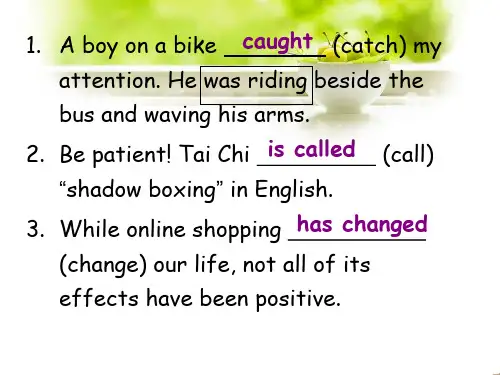
1. I don’t actually work here. I am helping (help) out until the new secretary comes. 2. Jackwas working(work) in the lab when the power cut occurred.
过去将来时常用时间状语:the next day/morning, the next/following week/month/year, etc
4、进行时态:be + doing,表示当时或 一段时间内正在或持续发生的动作
现在进行时常用时间状语:all the time, now, at 4 o’clock, at this moment, at present, etc.
高考英语 一轮复习 时态语态课件

1
现在 过去 将来 过去将来
英语的 16个时态
一般
进行
完成
完成进行
2
一般现在时:
构成:do/does 用法: ①表习惯性,经常性的动作
②表现在的状态或客观真理,科学事实
③表主语具备的性格或能力。
④表示按时间表、规定、计划或安排将要发生的动作。 ⑤用于时间、条件等状语从句中,代替一般将来时。 标志词:sometimes, often, usually, always, every day/week/month/year,
6
过去进行时:
构成: be (was/were) + v.-ing 用法:①表示过去某一时刻或某一阶段正在进行的动作
②表示从过去某时间看将要发生的动作,可以这样用的通常是 短暂性动词,如come,go,start,begin,leave,arrive
标志词:the whole morning, all day, that time, etc. e.g. They were talking about the accident when I walked into the classroom.
9
在含有宾语从句的复合句中,当主句为一般过去时,且从句 的动作先于主句的动作发生时,从句要用过去完成时。像在 told, said, knew, heard, thought 等动词后的宾从中。 Eg. She said that she had watched the film before.
He told me that he had finished the homework.
标志词:yesterday, the day before yesterday, last year/week/night, just now, 一段时间+ago, in +过去的点时间,when 引导的表过去的时间状从 。
高考英语一轮复习时态语态讲解课件
以辅音字母加y结尾的动词,先将y变i再加es
study→studies try→tries
以元音字母加y结尾的动词,在词尾加s
stay→stays play→plays
特殊:三单has 其他have, I用am三单is 其他are
一般现在时的标志词
• always 总是 often 经常 usually 通常 frequently经常 sometimes 有时
• on Sundays 在星期天
on Fridays 在周五
• every day/week/month/year 每天/ 周/月/年
• once/twice a week 每周一/两次 three times a week 一周三次
• every+基数词+可数名词复数 每隔…… every two years 每隔两年
• monthly每月 yearly 每年
必须使用一般现在时的情况1: 1. The sun rises from the east . 2. Shanghai lies in the east of China. 3. The earth is round . 4. Everybody loves panda. 5. Beijing never sleeps.
stop→stopped drop→dropped
prefer→preferred
不规则动词变化见不规则动词变化表
划出下列句子的被动语态。
1. Our classroom is cleaned by us every day.
被动语态的标志
2.English is widely spoken around the world. speak--spoke--spoken
高三英语人教大一轮复习讲义语法知识课件专题五动词的时态和语态
专题五动词的时态和语态—、动词时态的用法1. 一般现在时(1)由连词if, unless, however等引导的时间(条件、让步)状语从句,需用一般现在时表将来。
However much advice you give him,he will do exactly what he wants.⑵安排或计划要做的动作(有时间状语)限于begin, come, leave, go, arrive等一类动词。
I arrive in Beijing at 3 I 00 p. m. tomorrow.2. 一般过去时过去一段时间内经常或反复发生的行为,常与every day, often, sometimes等时间状语连用。
I used to play football when I was young.3. 一般将来时⑴will+do表示将来的动作或状态,常与一些表示将来的时间状语连用;或表示事物的固有属性或必然趋势。
Fish will die without water.注意:临时决定做某事,只能用此时态。
一The lights in the classroom are still on. 一Sorry, F 11 go and turn them off.(2)be going to+do表示即将发生的或最近打算进行的事。
此外还表示根据现在的迹象,对未来进行推测。
Look at the clouds.lt is going to rain.⑶be about to+do表示即将发生的动作,意为“正要;很快,马上” o后面一般不跟具体的时间状语,但是可以由when连接一个并列句。
We are about to leave.(4)be to+do表示事先商定、安排或准备要做的事情;还表示可能性、必要、责任.义务、禁止等。
She is to get married next month.⑸用现在进行时表示将来。
【高三英语】高三英语一轮复习动词时态课件ppt模版课件推荐精选PPT
3)表示最近发生的动作。常常与just, already, yet, still, recently等连用。
如: He has recently moved in here from New York. My car has just been repaired. Have you typed the letters already? She still haven't past her driving test.
注意:由于进行时表示的是正在发生的动作,因此, 表示状态、结果、情感、思维等的动词不可用于进 行时。这类动词有:
思维类:agree, appreciate, believe, consider(认为), disagree, disbelieve, expect, feel, figure(美:捉摸), find, get it(弄懂), guess, hear, hear about, hear of, hope, imagine, know(知道), realize, recognize, regard, see, see through, suppose, tell(辨 认), think(认为), understand, wonder, etc.
高考英语时态复习 PPT课件 图文
A. had started B. started C. have started D. was starting
过去进行时表示过去将来.
1. 一般过去时和过去进行时 1. He ______ a book about China last year, but I
had meant/planned/intended to do…,表示过 去未曾实现的愿望、打算、想法等。
热点4:过去进行时
1. The last time I saw Jane she _w_a_s_p_i_c_k_in_g_ cotton in the fields. (pick)
2. ---Has Sam finished his homework today?
2. As she ___ the newspaper, Granny ___ asleep.
A. read; was falling
B. was reading; fell
C. was reading; was falling D. read; fell
结论:长动作在进行时,被一个短动作打断,长动 作用进行体,短动作用一般体.
造成影响和结果.
1.---The window is dirty. ---I know. It _ห้องสมุดไป่ตู้__ for weeks.
A. hasn’t cleaned B. didn’t clear C. wasn’t cleaned D. hasn’t been cleaned
2. --- Would you like to go to the cinema with me tomorrow afternoon?