
外研版七年级下Module11 Unit3课件(共15张PPT)
5. Is it all right to wave goodbye in Greece? No, it isn’t. 6. How do you usually say goodbye with body language? I wave my hand.
Do’s
Stand in line.
Shake hands.
祈使句
1.用于表达命令、请求、劝告、警告、禁止等的句子。 2.可在句首或句尾加上 please,表示客气。
肯定结构
1. Do 型 (即: 动词原形 + 宾语 + 其它成分)。 如: Please have a seat here. 请这边坐。 有的祈使句在意思明确的情况下, 动词可省略。 如: This way, please. = Go this way, please. 2. Be 型 (即: Be + 表语 (名词或形容词 + 其它成分)。 如: Be a good boy! 要做一个好孩子! Be quiet. 安静。 Be careful! 小心!
Answer the questions with the words and expressions below all right arm in arm close different hold on to kiss three times point at shake hands with wave 1. How do the British say hello to each other when they first meet? They shakes hands with each other. 2. Does body language mean the same thing in different countries? No, it doesn’t. 3. How do the Russians say hello to each other when they meet? They usually kiss three times. 4. Is it polite to stand close to North Americans? No, it isn’t.
For example: It’s important to listen to the teacher.
Listen to the teacher. You cannot shout in the classroom. Don’t shout in the classroom.
1. It’s important to be careful. Be careful. 2. It’s important to clean and tidy the lab.Clean and tidy the lab. 3. You cannot touch anything if the teacher doesn’t ask you to. Don’t touch anything if the teacher doesn’t ask you to. 4. You cannot bring food or drink into the lab. Don’t bring food or drink into the lab. 5. You cannot enter the lab alone. Don’t enter the lab alone.
Be on time.
· Stand in line. · Don’t touch people when you talk to them. ·…
Shake hands when you meet.
· You should shake hands when you meet.
· You have to shake hands when you meet.
· It’s important to shake hands when you meet.
· It’s polite to shake hands when you meet.
Don’t ask a woman’s age.
·You can’t ask a woman’s age. · It’s not polite to ask a woman’s age. ·It’s rude to ask a woman’s age.
Hello, Everyone!来自I’m … Today I’m going to talk about body language in different countries. In China, …
情景剧编演
The Japanese bow thank you “_____”, sorry In Japan, people bow to say “_________”, “________”, “_________”, hello goodbye “_________________”, you’re welcome “___________” excuse me and many other things. Children and young people bow lower when they greet older people. It’s a way ________ of being _____ polite and showing respect __________ .
Don’ts
Touch people. Ask a woman’s age.
Say “please” and “thank you”. Stand too close. Say anything too Look at people when you talk. personal. Open doors for others.
Give them more personal space. 1. _____
2. ______ Wave to say goodbye.
3. _____ Be careful! Don’t stand too close to North 4. ______ Americans.
1. 无主语
2. 动词原形或 don’t 开头
合集下载
外研版七年级下册英语Module 11 习题课件 Unit 3 Language in use

B. having C. tohave
D. had
5. Becauseoftheheavyrain, theplanedidn'tarrive_____. C
A. attimes
B.
intime
C. ontime
【点拨】D.考so查me短tim语e辨析。attimes意为“有时”;intime 意为“及时”;ontime意为“准时”;sometime意为 “一段时间”。分析句意可知飞机未能按时到达,用 ontime。
【t点os拨top】ca由rso句rb中ust的eosianrteh可est知ree是t,现he在rai进se行shi时sh,and故. tell加-ing。 Allof________27(they) areusingsignlanguage. wants
【点拨】theanswerto…th意em为“……的答案”。
D. difference
3. ____C____sleeptoolate. It'sbadforyourhealth. A. Can't
B. Notto C. Don't
D. Doesn't
4. It'safinedaytoday. Howabout_______B_apicnic? A. have
一、单项选择
1. ______whenyoucrosstheroad. B
A. Tocare
B. Becareful
C. Tobecareful
D.
Becare
2. TomandTimaretwins, buttheylook_______A_. A. different
B. same C. like
D. had
5. Becauseoftheheavyrain, theplanedidn'tarrive_____. C
A. attimes
B.
intime
C. ontime
【点拨】D.考so查me短tim语e辨析。attimes意为“有时”;intime 意为“及时”;ontime意为“准时”;sometime意为 “一段时间”。分析句意可知飞机未能按时到达,用 ontime。
【t点os拨top】ca由rso句rb中ust的eosianrteh可est知ree是t,现he在rai进se行shi时sh,and故. tell加-ing。 Allof________27(they) areusingsignlanguage. wants
【点拨】theanswerto…th意em为“……的答案”。
D. difference
3. ____C____sleeptoolate. It'sbadforyourhealth. A. Can't
B. Notto C. Don't
D. Doesn't
4. It'safinedaytoday. Howabout_______B_apicnic? A. have
一、单项选择
1. ______whenyoucrosstheroad. B
A. Tocare
B. Becareful
C. Tobecareful
D.
Becare
2. TomandTimaretwins, buttheylook_______A_. A. different
B. same C. like
初中英语七年级下册课件:Module11-Unit3 Language in u

Voice and Style
Sample Essays
Provide two sample essays, one with strong writing skills and the other with room for improvement, for students to compare and analyze.
Middle School English Grade 7 Volume 2 Courseware
contents
目录
Unit OverviewVocabulary and GrammarListening and Speakingreading comprehensionWriting trainingComprehensive exercises
To foster students' analytical and critical thinking skills by encouraging them to compare and contrast different language examples.
To promote teamwork and cooperation among students through group activities and discussions.
THANKSFOR
感谢您的观看
WATCHING
阅读策略讲解
根据学生水平和兴趣选择合适的阅读材料,激发阅读兴趣,培养阅读习惯。
阅读材料选择
通过多种形式的练习,如选择题、填空题、简答题等,巩固阅读理解和技巧。
阅读练习
引导学生反思阅读过程,发现自己的不足,及时调整阅读策略和方法。
阅读反思与反馈
Sample Essays
Provide two sample essays, one with strong writing skills and the other with room for improvement, for students to compare and analyze.
Middle School English Grade 7 Volume 2 Courseware
contents
目录
Unit OverviewVocabulary and GrammarListening and Speakingreading comprehensionWriting trainingComprehensive exercises
To foster students' analytical and critical thinking skills by encouraging them to compare and contrast different language examples.
To promote teamwork and cooperation among students through group activities and discussions.
THANKSFOR
感谢您的观看
WATCHING
阅读策略讲解
根据学生水平和兴趣选择合适的阅读材料,激发阅读兴趣,培养阅读习惯。
阅读材料选择
通过多种形式的练习,如选择题、填空题、简答题等,巩固阅读理解和技巧。
阅读练习
引导学生反思阅读过程,发现自己的不足,及时调整阅读策略和方法。
阅读反思与反馈
外研英语七年级下册Module11 Unit3(共15张PPT)
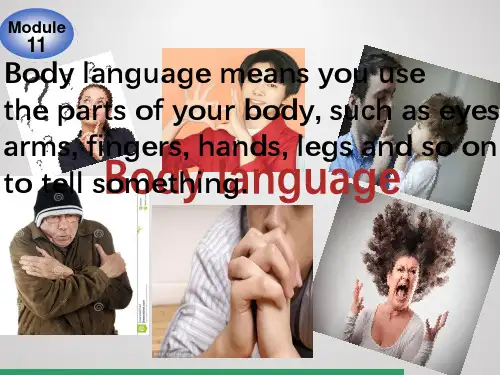
2. Liaison 连读 [liˈeɪzn]
n^od our he^ads
3.Pronunciation语音
Maori Russian India
[ˈmaʊri:] [ˈrʌʃn] ['ɪndɪə]
retell
Countries people do different things when they meet
kiss
smile
nod
hug
touch
people in different countri
do different things
Chinese American Russian
when they meet.
Japanese Indian
Maori
Shake hands and smile
C_h_i_n_e_s_e__p_e_o_p_le_shake hands and smile when they meet.
6. If you meet your friend in New Zealand, what should
you do ? Touch noses
touch noses
listen and read---iii 1. stress 重读
We’re ^going to have some^Russian t^eachers at ^school t^omorrow.
oChtuhtogeur cehFancpohustehosatnhdesr
together
5. Do Indians put their hands together and
nod their heads when they meet?
n^od our he^ads
3.Pronunciation语音
Maori Russian India
[ˈmaʊri:] [ˈrʌʃn] ['ɪndɪə]
retell
Countries people do different things when they meet
kiss
smile
nod
hug
touch
people in different countri
do different things
Chinese American Russian
when they meet.
Japanese Indian
Maori
Shake hands and smile
C_h_i_n_e_s_e__p_e_o_p_le_shake hands and smile when they meet.
6. If you meet your friend in New Zealand, what should
you do ? Touch noses
touch noses
listen and read---iii 1. stress 重读
We’re ^going to have some^Russian t^eachers at ^school t^omorrow.
oChtuhtogeur cehFancpohustehosatnhdesr
together
5. Do Indians put their hands together and
nod their heads when they meet?
外研版英语七年级下册课件:Module 11 Unit 3(共36张PPT)
body. finger
mouth
eye
knee
leg
foot
Now, let’s play a game!
Touch your …..
Body language in our life.
We put our thumb up to say “ good”
Walk arm in arm
Wave to say goodbye
PPT素材:/sucai/ PPT图表:/tubiao/ PPT教程: /powerpoint/ 范文下载:/fanwen/ 教案下载:/jiaoan/ PPT课件:/kejian/ 数学课件:/kejian/shu xue/ 美术课件:/kejian/me ishu/ 物理课件:/kejian/wul i/ 生物课件:/kejian/she ngwu/ 历史课件:/kejian/lish i/
课时重点回顾
全世界 肢体语言
中东 私人空间 臂挽臂地 移开/移走 一点也不
around the world body language the Middle East personal space arm in arm move away not at all
5 Work in groups. Talk about your class rules.
Language points
Do you look at people when you talk? In some places, it isn’t polite to look at people when you talk, but in other countries it isn’t polite to look somewhere else. In Britain and the US, people usually look at each other when they talk.
【外研版教材适用】初一七年级下册《Module 11 Unit 3》课件

in line. touch people
when
you
talk
to
them.
✓…
Presentation
Do shake hands when you meet a friend. Do stand in line. Do expect rain. Please talk about the weather. Do Say “please” and “thank you”. Do look at people when you talk
Grammar
Watch your steps. (走路小心。——警告) Look out!Danger! 小心!危险!——强烈警告 Keep off the grass. (勿践草坪。——禁止) No parking. (禁止停车。——禁止) 祈使句也常把主语“You”表达出来,使对方 听起来觉得柔和些,例如:
It’s important to listen to the teacher. Listen to the teacher. You cannot shout in the classroom. Don’t shout in the classroom. 1. It’s important to be careful. 2. It’s important to clean and tidy the lab. 3. You cannot touch anything if the teacher doesn’t ask you to. 4. You cannot bring food or drink into the lab. 5. You cannot enter the lab alone.
Grammar
外研版英语七年级下 Module11 Unit 3 1共30张

Say “please” and “thank you”.
Shake hands.
Be on time .
Ask a woman's age.
Stand too close.
Open doors for others.
Say anything too personal.
Do's Britain
Don'ts
Practice makes perfect.
3 Rewrite the sentences.
1. It's important to be careful.
Be careful. 2. It's important to clean and tidy the lab.
Clean and tidy the lab. 3. You cannot touch anything if the teacher
Practice makes perfect.
challenge
1
2
3
4
5
6
Practice makes perfect.
Guessing Game
Walk onDotDNhnoeoD'tnzospe'nmtaNbTT'rtsroukouamerkyrancpioontnrhl!uokegrrseof!istgc!t!ioanhrgst!!!!
Draw the conclusion ( 得出结论)
祈使句的结构如下: 肯定: (Please) + do sth. / Be + n./adj. 否定: (Please) + Don't do sth ./ No + n.
外研英语七年级下册Module 11Unit3(共28张PPT)
1. It’s important to be careful. Be careful.
2. It’s important to clean and tidy the lab. Clean and tidy the lab.
3. You cannot touch anything if the teacher doesn’t ask you to. Don’t touch anything if the teacher doesn’t ask you to.
2) Does body language mean the same thing in different countries? No, it doesn’t.
3) How do the Russians say hello to each other when they meet? They usually kiss three times.
用于表达叮嘱、希望、命令、请求、劝 告、警告、禁止等的句子叫做祈使句。 Come to my office,please!(请求) Be careful! (叮嘱)
Don't be late again. (劝告/警告) Don't smoke. (禁止)
归纳总结:
1. 祈使句一般没有主语,说话的对象是第二人 称“你”或“你们”,所以也可以理解为省略了主 语you。 2. 以动词原形开头,无时态和数的变化。 3. 祈使句的否定形式是在动词原形前加don't。 4. 在表达请求时,可以加上please; 表达比较强 烈的语气时,可以用感叹号。
an old man in Japan?
A. The old man. B. The young man.
外研版英语七年级下 Module 11 Unit 3(共30张PPT)
In B_r_i_t_a_i_n__,__r_e_m___e_m__b__e_r___s_o_m___e__g__o_o__d__m___a_n__n__e_rs(礼仪).
Peop_l_e__s_h__a__k_e__h__a__n_d__s__o__r__k_i_s_s__w__h__e_n___t_h_e__y__m__e_ et. Plea_s_e__s_a__y__“_p__l_e_a__s_e_”___a_n__d__“__s_o__r_r_y_”___o_f_t_e_n__.__P__lease be on ti_m__e_,__b__e_c_a__u__s_e__i_t_’s__a___w__a_y___o_f__s_h__o_w__i_n__g__r__e_spect. It's polit_e__t_o__o_p__e_n___d_o__o__r_s__f_o_r__o__t_h_e__r_s_,__b_u__t__i_t_i_s__r_u_ de to ask a woman’s age. _______________________________________________
Module 11 Body Language Unit 3 Language in use
Our body can talk. Can you tell us something from their body language?
Body language is different from culture to culture. So culture shocks(文化冲突) happen often.
Focus on paragraph writing !
Setting: A group of foreign students are coming. They are worried about their manners(礼仪) in China. Please write some advice in a paragrph to help them.
Peop_l_e__s_h__a__k_e__h__a__n_d__s__o__r__k_i_s_s__w__h__e_n___t_h_e__y__m__e_ et. Plea_s_e__s_a__y__“_p__l_e_a__s_e_”___a_n__d__“__s_o__r_r_y_”___o_f_t_e_n__.__P__lease be on ti_m__e_,__b__e_c_a__u__s_e__i_t_’s__a___w__a_y___o_f__s_h__o_w__i_n__g__r__e_spect. It's polit_e__t_o__o_p__e_n___d_o__o__r_s__f_o_r__o__t_h_e__r_s_,__b_u__t__i_t_i_s__r_u_ de to ask a woman’s age. _______________________________________________
Module 11 Body Language Unit 3 Language in use
Our body can talk. Can you tell us something from their body language?
Body language is different from culture to culture. So culture shocks(文化冲突) happen often.
Focus on paragraph writing !
Setting: A group of foreign students are coming. They are worried about their manners(礼仪) in China. Please write some advice in a paragrph to help them.
外研版 七年级英语 下册课件 Module11 unit3 Language in use (共
•
11、人总是珍惜为得到。2021/5/10 2021/ 5/1020 21/5/ 10May-2110-May-21
•
Hale Waihona Puke 12、人乱于心,不宽余请。2021/5/ 10202 1/5/10 2021/ 5/10M onday, May 10, 2021
•
13、生气是拿别人做错的事来惩罚自 己。20 21/5/ 10202 1/5/10 2021/ 5/102 021/5/ 105/1 0/202 1
即:Let + 宾语 + 动词原形 + 其它成分)。 如:Let me help you. 让我来帮你。
Task 2:(3mins)
1,翻译并观察以下句子; 2,讨论总结否定的祈使句结构如何?
别担心。
Don't worry .
别问女士年龄。
Don't ask a woman's age .
不要站得太近。
11
Unit 3 Language in use
Crazy English
Don't be afraid of losing face. Don't be afraid of making mistakes. Don't be afraid of practicing English. Don't be afraid of speaking English. Don't be afraid of being laughed at. Don't be afraid of being stared at.
“••tOLhopaoneknkadytoopouer”os.pfoler
外研英语七年级下册Module11Unit3(共19张PPT)
You may feel strange doing it, but try to bow in Japan. You will be considered(认为) very polite!
3. The writer writes the passage mainly to _____. [ ] A. introduce the history of bowing in Japan B. describe the purposes of bowing in Japan C. introduce the Japanese custom of bowing D. describe different ways of bowing in Japan
YBoouwshtoupldeobpolew. to people. YDooun'ctans'tatnsdttaonodcltoosoe.close to them.
PLeooopkle alotoekaacth eoatchherot.h..er when Dthoeny'ttaslk.
DYoun'ctawna'vtewtaovseaytobysea.y goodbye.
Be on time .
Don’t stare.(盯着看)
Class rules
Listen to teachers carefully.
…
Don't be late for class.
…
Japanese
bow
1. How do people greet in many countries? [ ]
"excuse me", "good morning", and more.
3. The writer writes the passage mainly to _____. [ ] A. introduce the history of bowing in Japan B. describe the purposes of bowing in Japan C. introduce the Japanese custom of bowing D. describe different ways of bowing in Japan
YBoouwshtoupldeobpolew. to people. YDooun'ctans'tatnsdttaonodcltoosoe.close to them.
PLeooopkle alotoekaacth eoatchherot.h..er when Dthoeny'ttaslk.
DYoun'ctawna'vtewtaovseaytobysea.y goodbye.
Be on time .
Don’t stare.(盯着看)
Class rules
Listen to teachers carefully.
…
Don't be late for class.
…
Japanese
bow
1. How do people greet in many countries? [ ]
"excuse me", "good morning", and more.