
打包-读后续写-高考英语作文新题型6【精美版】
Information
“If she knew all, she would never trust me again.”(para.11)
Interpretation of underlined words and given information 划线词和续写首句解读(G-N策略)
1. Interpretation of given information首句解读: Para. 2 “Now, Susan,” said Rose, “Put on the crown of flowers, for you are to be our queen.”
① What are Susan’s and her friends’ feelings when
New
they are enjoying themselves in the party?
Information ② Why did friends choose Susan to be put on the
1. Interpretation of given information首句解读: Para. 2 “Now, Susan,” said Rose, “Put on the crown of flowers, for you are to be our queen.”
Given
“Yes, I have cheated her,” said she to herself.
1. Interpretation of given information首句解读: Para. 1 The little party had reached an open space in the woods
New Information
①Who are involved in the little party? ②What did they do in the party? ③What are Susan’s and her friends’ feelings when they
1. Susan was invited to the woods full of flowers but
大家邀请Susan到一个到处都 是鲜花围绕的丛林中玩耍,但 是她由于没有完成奶奶布置的
情c感ou线ld:n’t go, not finish the work
任务,没法出去玩。
1o. 从f g一r开an始d,mSoustahne看r.到大家都可以出去玩,但是自己却要在家帮奶奶做袜子而产生委屈
are enjoying themselves in the party? ④What will Susan think of when playing with her
friends ?
Interpretation of underlined words and given information 划线词和续写首句解读(G-N策略)
No Crown for me
Interpretation of the Text 文本解读
when
where
how
A story
who
why
what
Interpretation of the Text 文本解读 (Who)
Schoolmates
Rose
Susan
Grandma
Interpretation of the Text文本解读(How)
变出来了愧疚心理。
3. Susan was allowed to go, with red cheeks, feeling guilty.
当奶奶同意Susan出去玩的时 候,只见她羞愧的红了脸。
Interpretation of underlined words and given information 划线词和续写首句解读 (G-N策 was Susan’s reaction after knowing she was
chosen to be their “queen” by her friends?
④ Will Susan admit her fault? And how?
Interpretation of underlined words and given information 划线词和续写首句解读 2. Interpretation of underlined words下划线词解读:
finish, home, Rose, grandmother, tear, flowers, the mark, in the stocking, company, cheated
Character Susan, grandmother, Objects flowers, the mark, in the stocking
1. Interpretation of given information首句解读: Para. 1 The little party had reached an open space in the woods
Given
“Will you come with us, Susan?” cried several
Places home Emotions tear, finish, company, cheated
的心理。
22..由S此us,aSnusmano生v出ed了t想he要m敷a衍r了k事in糊t弄he奶奶,从而S脱u身san好抹让去自了己奶置奶身在于袜美子丽里的的大自然的 喜 3sg.tr悦可oac心不nkd理曾inm。想go,,tch奶hee奶ra.却te夸d 奖he自r己,还说一如既往地信任做完自的成己标了,记。最,终欺允骗许奶自奶己任出务去已玩经,从而演
Information girls to a schoolmate. “We are going to the
woods; do come, too.” (Para 1)
Interpretation of underlined words and given information 划线词和续写首句解读(G-N策略)
高中英语读后续写优选10篇(原文内容+续写范文+范文译文)
高中英语读后续写优选10篇(原文内容+续写范文+范文译文)【原文内容】本文以人物为线索展开,讲述了作者才13岁就承受着家庭的变故,并且失去了宠物小马驹的陪伴,他很孤单,需要陪伴。
父亲在当地市场买了一匹老马,尽管Cowboy很丑,她还是很喜欢他在身边;一个叫贝基的女孩骑着一匹棕色的大马参加比赛,当作者在与她竞争时,她轻易的赢了,但是贝基得意的笑让作者决心打败她,并且最终做到了。
【续写范文】My turn finally came. As I urged Cowboy forward, he stumbled, and almost fell, much to the delight of the other riders. I jammed my hat down on my head, stroked Cowboy's big red neck and entered the arena. At the signal, we dashed toward the first barrel, quickly whipped around it and with perfect precision rounded the second and thundered on to the third. We tore around the final curve and shot for the finish line.No cheers filled the air when I finished my show. The end of our run was met with surprised silence. With the sound of my heart pounding in my ears, I heard the announcer call our time. Cowboy and I had beaten Becky and her proud fancy horse! I gained much more than a blue ribbon that day. At thirteen, I realized that I'd always come out a winner if I wanted something badly enough to work for it. I can be the master of myown destiny.【范文译文】终于轮到我了。
高考英语作文新题型读后续写实践指南
高考英语作文新题型读后续写实践指南全文共6篇示例,供读者参考篇1A New Challenge: The Reading-to-Write Task for the Gaokao English ExamHi there, friends! It's me, your pal Xiao Ming, back with an exciting new guide! As we all know, the Gaokao is a super important exam that we'll need to take when we're in high school. And guess what? There's a brand-new type of question in the English section called the "reading-to-write" task. Sounds fancy, right? Well, don't worry, because I'm here to help you understand it better and give you some tips to ace it!First things first, what is this reading-to-write thing all about? Basically, you'll be given a short passage to read, and then you'll have to write a response based on what you've read. It could be a letter, an email, a story, or even a little essay! Isn't that exciting?Now, you篇2The New "Read and Continue Writing" Section in Gaokao English: A Practical Guide for Young WritersHello, young friends! Are you feeling a bit nervous about the new "Read and Continue Writing" section in your upcoming Gaokao English exam? Don't worry, your old pal is here to help! In this guide, we'll explore this exciting new task together and learn some fun tips to tackle it like champions.First things first, what exactly is this "Read and Continue Writing" thing? Well, it's like a storytelling adventure! The examiners will provide you with a short passage, and your job is to read it carefully and then continue the story in your own words. Sounds exciting, right?Now, let's break it down into simple steps:Step 1: Read the Passage CarefullyBefore you start writing, you need to understand the story you've been given. Read it slowly and pay attention to the characters, their actions, and the setting. It's like being a detective, gathering clues from the passage to help you continue the story seamlessly.Step 2: Identify the Key ElementsAfter reading the passage, make a mental note (or jot down if you prefer) of the important elements you need to carry forward in your writing. These could be the main characters, their personalities, the plot so far, or any specific details mentioned in the passage.Step 3: Let Your Imagination Run Wild!This is the fun part! Now that you have the foundation, it's time to let your creativity shine. Think about how you want the story to progress. Will there be a surprising twist? A heartwarming moment? Or maybe an exciting adventure? The choice is yours!Step 4: Plan Your StorylineBefore you start writing, it's a good idea to plan out your storyline. You can create a simple outline or a mind map to organize your ideas. This will help you stay focused and ensure that your story flows smoothly from the given passage.Step 5: Write, Write, Write!Now, it's time to put pen to paper (or fingers to keyboard)! Start writing your continuation of the story, following the outline or ideas you've planned. Remember to use descriptive language,engaging dialogues, and vivid details to make your writing come alive.Step 6: Check for ConsistencyAs you write, make sure to maintain consistency with the篇3A Student's Guide to the New Gaokao English Writing Continuation TaskHi there! My name is Xiaoming and I'm in 6th grade. I've been studying really hard for the big Gaokao test to get into a great university. This year they added a brand new section to the English writing part that is super weird and different from anything we've done before. It's called the "Writing Continuation" and I was pretty confused when I first saw it. But after practicing a bunch, I think I've got the hang of it now! Let me share my tips with you.The Writing Continuation goes like this: you read a short story or article, but the last paragraph is missing. Then you have to continue writing the ending yourself based on the context and content of what you just read. Crazy right? When I first tried it, I was like "How am I supposed to know what to write for theending??" But the graders aren't necessarily looking for the "right" ending. They want to see if you can write something creative and logical that fits with the rest of the passage.My first big tip is to read the passage super carefully and take good notes. Underline important details, circle words or phrases that seem significant, jot down any unanswered questions or unresolved parts of the story. The more you analyze and understand the original text, the better position you'll be in to continue it properly.It really helps to identify the main characters, their personalities, motivations and roles in the story. What is the protagonist struggling with or trying to achieve? Who are the other key players helping or blocking them? Getting a clear grasp on the characters is crucial for writing convincing dialogue and action in your continuation true to how they were established.You should also note the passage's tone, writing style and language usage. Is it serious or humorous? Formal orinformal/conversational? Descriptive or straightforward? Using narrative techniques and vocabulary fitting the original author's voice will make your portion read smoothly. Don't switch fromthird person to first person halfway through for example. That would be jarring and inconsistent.Pay close attention to any plot lines, conflicts or unanswered questions that seem unresolved when the passage breaks off. Your job is to continue exploring and developing those unfinished elements in a sensible progression. Maybe a character's backstory was hinted at but not fully explained. Or a mystery was introduced but not yet solved. Identify what loose threads are dangling so you can weave them into your ending in a coherent way.Another important aspect is setting. The environment, time period and circumstances framing the story should be clearly established by what you've read so far. When you pick up writing, you need to maintain consistency with those setting details. Don't randomly shift locations or time frames without logical justification that connects to the initial setup.Once you've fully analyzed the characters, story, writing style, plot threads and setting, it's time to start plotting out your own ending. I brainstorm by making charts, mind maps,OutLINES, etc. How do I want the protagonist's arc to ultimately resolve? What obstacles do they still need to confront? Which relationships,choices or external forces will play a key role in driving the climax and conclusion?It can help to identify themes or messages you want to emphasize through how your continuation concludes the narrative. Is it a heroic coming-of-age tale where the main character overcomes adversity and grows as a person? A tragic romance where sacrifice and loss are central? A satire poking fun at aspects of society? Deciding your intended tone and higher meaning will inform the specific story beats and Resolution you craft.I usually wrap up my brainstorming by writing a one paragraph summary nailing down my planned ending: Who does what? Where does it culminate? How does the central conflict get resolved/evolve? This outline prevents me from going off in a totally random direction that clashes with the original context.Finally, it's time to actually write the continuation! I reread the original passage one last time, taking a few final notes. Then I make sure to directly connect my opening sentence to the thought, dialogue or action where the passage left off. Using relevant transition words like "Meanwhile..." or "Little did he know..." can smoothly carry over between sections.I try to stick to writing 2-4 concise paragraphs totaling around 300 words for a nicely developed but not overly long ending. Cramming too much in risks feeling rushed and needlessly complicated. Conversely, being too vague and brief leaves the resolution feeling incomplete and unsatisfying.As I'm writing the ending paragraphs, I consciously recreate the author's original writing style through my Language choices, descriptions and narrative structure. I might mirror their use of rhetorical篇4The New Reading-to-Write Section: A Guide for Little ExplorersHi there, fellow young learners! It's me, your friend from the playground, here to share some exciting news about abrand-new adventure we'll be embarking on as we prepare for the big English exam. Get ready to stretch your imagination and sharpen your storytelling skills, because the reading-to-write section is here to make our journey even more thrilling!Now, I know what you're thinking – "But writing can be so boring!" Well, my dear friends, this new section is anything butdull. It's like stepping into a magical world where words come alive, and you get to be the master storyteller.Imagine this: You'll be given a short passage to read, like a sneak peek into an exciting tale. But here's the real fun part – you get to continue the story! That's right, you'll have the power to decide what happens next, using your creativity and the clues from the passage.It's like being a literary adventurer, exploring uncharted territories and discovering new realms with every word you write. You'll get to bring characters to life, describe fantastic settings, and weave intricate plots that will leave your readers spellbound.But don't worry; you won't be embarking on this quest alone. Your trusty English teachers will be there to guide you every step of the way, like wise wizards sharing their ancient knowledge. They'll teach you the secrets of storytelling, from crafting captivating introductions to building suspenseful climaxes and delivering satisfying conclusions.And just like any great adventure, there will be challenges along the way. You might encounter tricky vocabulary or grammar rules that seem like formidable foes. But fear not, my young explorers! With practice and determination, you'll slaythose dragons and emerge victorious, your writing skills sharpened like a mighty sword.Now, let me share a few tips and tricks that will help you on this epic journey:Read, read, read! The more stories you devour, the better you'll understand how they're structured and how to weave your own tales. Just like a hungry bookworm, gobble up as many books as you can – from classic adventures to modern-day mysteries, and everything in between.Pay attention to details. Great writers are masters of observation, noticing the tiny details that bring their stories to life. Practice describing the world around you with vivid language, from the colors of the sunset to the way the wind rustles through the trees.Let your imagination run wild! This is your chance to create worlds that exist only in your mind. Don't be afraid to dream up fantastical creatures, magical powers, or even entire civilizations. The more outrageous, the better!Practice, practice, practice. Like any skill worth mastering, writing takes time and effort. Set aside a little time each day to flex your storytelling muscles. Write about your day, describeyour favorite toy, or invent a thrilling tale – the possibilities are endless!Have fun! Remember, this is an adventure, a chance to explore the boundless realms of your imagination. Don't get bogged down by rules or perfectionism. Let your words flow freely, and enjoy the journey.So, my fellow young explorers, are you ready to embark on this exciting new quest? The reading-to-write section may seem daunting at first, but with the right mindset and a little guidance, you'll soon be weaving tales that will captivate audiences far and wide.Imagine the pride you'll feel when you hold your completed story in your hands, knowing that you brought it to life with your own words and creativity. Who knows? You might even discover a passion for writing that will stay with you for life, opening doors to endless adventures and opportunities.So, grab your pens (or keyboards, if you prefer), sharpen your imagination, and get ready to explore the incredible world of storytelling. The reading-to-write section awaits, and with a little courage and a lot of creativity, you'll conquer it like the literary heroes you are destined to become.Happy writing, my friends! May your tales be as epic as your dreams.篇5Hi there! My name is Lily and I'm a 5th grader. I love English class, especially writing stories. This year there is a new type of writing question on the big exam that everyone has to take. It's called "continuation writing" and I think it sounds super fun!The way it works is that you get a story starter paragraph that sets up a scene or situation. Your job is to continue writing the story from there and make up what happens next. Isn't that cool? It's like the teachers are giving you a jumping off point and then you get to use your creativity and imagination to take it in whatever direction you want!At first, I was a little nervous about having to write a whole story for a test. What if I couldn't think of any good ideas? But then my English teacher Ms. Roberts went over some strategies with us, and now I feel a lot more confident.The most important thing, she said, is to read the starter paragraph very carefully. Like, don't just skim over it quickly. Really pay attention to all the details it gives you about thecharacters, setting, and situation. Those details are super important clues for where your story could go next.For example, let's say the starter paragraph introduces a character named Alex who is feeling nervous about trying out for the school play. Well, if you wrote about Alex going on a picnic instead, that wouldn't make any sense because it doesn't relate back to that main detail about the play tryouts.Ms. Roberts also said to look for aaaany small hints or open-ended parts that you can build on. Like if the starter paragraph mentions Alex having a best friend but doesn't give the friend's name, you can decide what to name them. Or if it says Alex is nervous without explaining why, you can come up with a reason like they're shy or they had a bad experience at the last play they were in.The more you can connect your continuation to those original details, the more sense your whole story will make. It's kind of like a puzzle, and the starter paragraph gives you the edge pieces to get you going.Another big tip from Ms. Roberts is to ask yourself: What is the conflict or main problem hinted at in the starter paragraph?A good story needs some kind of conflict or obstacle for the characters to resolve or overcome. Maybe the conflict is external,like Alex struggling with those play tryouts. Or maybe it's an internal conflict, like Alex wanted to try out but their shyness or lack of confidence was holding them back.Once you identify that potential conflict, your job as the writer is to develop it more and create rising action/challenges around it. You can make the conflict get worse before it gets better. You can throw new obstacles in the character's way. The key is to build suspense and keep your readers wondering "Oh no, what will happen next??"Also, make sure you plan out your story events in a logical sequence instead of just writing whatever random things pop into your head. Have a clear beginning, middle, and end where the conflict gets resolved in one way or another. You can leave your readers with a hint at the very end about what might happen after the story is over, but you should wrap up the main storyline you've been telling.Ms. Roberts said it's usually good to include dialogue too, where you write out the characters' exact words in quotes. Dialogue can help bring the characters to life and move the story along. Just don't go overboard and have them talking in every single paragraph.I also think it's fun to add lots of juicy descriptive details, like describing what things look, smell, taste, feel, or sound like. The more you can make the readers really picture and experience the story world in their minds, the more engaging your writing will be.While you definitely want to make sure your story makes logical sense and follows the setup from the starter paragraph, you also get to put your own unique creativeness into it! As Ms. Roberts says, there are infinite possibilities and directions you could take it. The beautiful thing about writing is that there's no one "right" way to continue the story. Let your imaginations run wild!Okay, time for an example. Let's say the starter paragraph is:"Molly's heart pounded as she clutched her flute case tightly to her chest. This was the moment she had been both dreading and looking forward to for weeks—her first chair audition for the elite youth orchestra."Personally, here's how I might continue that story if I was taking the test:"Molly took a deep breath and plastered a shaky smile onto her face as she entered the audition room. Three stern-lookingjudges sat at a table in front of her. The head judge, an older man with rectangular glasses, shuffled through a stack of papers decidedly.'State your name and what piece you'll be performing,' he instructed in a monotone voice without looking up at Molly.'M-Molly Benson,' Molly squeaked out. 'And I'll be playing Concerto for Flute and Strings in G major by Boccherini.'The judge gave a curt nod, finally meeting Molly's terrified gaze. 'You may begin,' he said simply.Molly's clammy hands struggled to unlatch the case. She pulled out her polished silver flute with a trembling grip, suddenly doubting if she had practiced enough..."And I'd go on from there. I'd probably have Molly make a couple tiny mistakes during her audition at first from her nerves, but then have her gain more confidence and nail the rest of the piece. Then she'd have to anxiously wait to hear if she made first chair while all the other musicians auditioned. Maybe I'd throw in a rival character who was also vying for first chair and have some drama between them getting tense about who would get it. Just spitballing here!The point is, the starter paragraph gave me a frame for the setup, characters, and conflict I needed to construct my story around. But then I got to decide what happens next and how Molly deals with that nerve-racking audition scenario.So those are my tips for the new continuation writing question! Read the starter paragraph super carefully, identify the hints of conflict to build on, and use your creativity to take the story in an interesting direction that still connects logically to those original details. Don't stress too much, and most importantly... HAVE FUN WITH IT! You get to put your own unique spin on it, which is the best part of creative writing.Just practice doing a few examples like the flute audition one, and you'll be a continuation writing pro in no time! Let your brilliant imaginations shine through. Thanks for reading my guide, and happy writing!篇6Here's a 2000-word article on "A Practical Guide to the New English Writing Section of the Gaokao Exam: Read and Continue Writing", written from the perspective of an elementary school student:The Gaokao Exam: A Scary Monster for Older KidsHey there, fellow kids! Are you excited about growing up and facing the big, bad Gaokao exam one day? No? Me neither! That test sounds like a real monster, especially the new English writing part where you have to read something and then keep writing the story. Yikes!But fear not, my friends, because your pal is here to guide you through this mysterious "read and continue writing" challenge. It may seem tricky now, but with some tips and practice, you'll be a pro by the time you're a high school senior. Just think of it as a fun creative writing game, but one where you have to follow certain rules. Pretty cool, right?The Read and Continue Game: What's It All About?Okay, so here's how the game works. The Gaokao people will give you a short story or article to read. It could be about anything - a day in the life of a talking dog, a brave kid who saves the world from evil aliens, or even a magical adventure in a world made entirely of candy (yum!). Once you've read the story, your job is to keep writing and continue the tale.But wait, there's a catch! You can't just write whatever you want. You have to pay close attention to the story's characters, setting, plot, and tone. It's like being a detective, gathering allthe clues from the original story to make sure your continuation makes sense and fits perfectly.The Key to Winning: Understanding the 3 C'sTo be a true master of the "read and continue writing" game, you need to remember the 3 C's:Characters: Who are the main people (or talking animals or aliens) in the story? What are they like? How do they act and talk? Your continuation should stay true to their personalities and voice.Context: Where does the story take place? Is it in a big city, a small town, or a magical fantasy world? What's the time period or historical setting? Your writing should match the story's context and setting.Continuity: What's happening in the plot so far? What conflicts or challenges are the characters facing? Your continuation should logically follow the events and storyline that came before.Practice Makes Perfect: Tips and TricksNow that you know the basic rules of the game, it's time to start practicing! Here are some tips to help you become a "read and continue writing" pro:Read, read, read! The more stories you read, the better you'll get at understanding different writing styles, tones, and genres. Start with simple children's books and work your way up to more complex novels as you get older.Pay attention to details. When you're reading the original story for the exam, make sure to note down important details about the characters, setting, and plot. These will be your clues for writing a seamless continuation.Plan your continuation. Before you start writing, take a few minutes to jot down your ideas and plan out how you want the story to progress. This will help you stay organized and ensure your continuation flows smoothly.Show, don't tell. Instead of just telling the reader what's happening, try to show it through vivid descriptions, dialogue, and action. For example, instead of writing "The girl was scared," you could say "Beads of sweat trickled down the girl's forehead as she clutched her teddy bear tightly, her eyes wide with fear."Practice, practice, practice! The more you practice "read and continue writing" exercises, the more comfortable and confident you'll become. Ask your parents or teachers to give you short stories or passages to practice with, and have fun continuing the tales in your own creative way.Remember, the "read and continue writing" section of the Gaokao may seem like a big, scary monster now, but with time, practice, and these tips, you'll be a fearless storytelling warrior! Just imagine how proud you'll feel when you conquer this challenge and write an amazing continuation that wows the examiners.So, keep reading, keep writing, and most importantly, keep having fun with words and stories. Who knows, maybe one day you'll become a famous author, and kids all over the world will be reading and continuing your incredible tales!。
高中英语新高考-英语作文:读后续写进阶指导(含原创模拟作文训练3篇)
2020高中英语新高考读后续写的升华:删繁就简三秋树,领异标新二月花引言我在近日提出读后续写的两个概念。
读后续写的内容可以分为:Be a story; Beyond a story.所谓Be a story,就是把故事说完整即可,不一定要突出一定的道理,类似于情景剧《老友记》,娱乐一下;而Beyond a story是基于一定的主旨(theme)去挖掘人物的内心情感,所有情节的拓展都是服务于主旨。
从浙江的历年读后续写材料和提供的范文看,文章并没有突出一定的主旨,纯粹的Be a story。
譬如2016年的妻子赌气和丈夫旅游中分开,然后迷路。
续写也是最后两人又和好。
包括今年的儿子上学,父母给家里的狗又添了一个伙伴,然后儿子回家。
这里面的故事就是单纯地围绕人物线展开,把故事讲完了,就结束了。
我认为无论是be a story还是beyond a story,只要把人物形象刻画出来了,并且续写部分的想象合情合理,都是达到了高考的写作要求。
但有人说,beyond a story对学生来说,太难了。
其实这就误解了我的意思。
就具体写而言,要想写好,都不容易。
甚至be a story 对学生的遣词造句要求更高。
因为你完全靠情节胜出,就要在用词上卯足劲,否则这篇文章就干巴巴的。
不仅仅没有思想,而且语言平庸,味同嚼蜡。
而beyond a story,你虽然语言平庸一点,但是你的思想非常动人,这就弥补了语言表达的匮乏。
以浙江作文题为例材料大致是:丈夫和妻子去旅游,来到森林里,二人意见不合,妻子赌气跑开了。
然后突然发现迷路了。
此时看到头上的飞机,估计是找她,但无法让它看到。
续写部分的范文是:天黑了,妻子找了写果实吃了后睡去;天亮,又和丈夫重逢。
我的想法:这几年的续写材料说实话,不知道是不是命题人觉得学生水平有限,选材都没有一定的思想深度,即使和完形填空比都差一截。
作为考生,如果要从思想上拔高,就要如此考虑,由于文章主要写妻子的活动,人物此时就一个:妻子。
高考英语作文专题复习:读后续写10篇范文

让知识带有温度。
高考英语作文专题复习:读后续写10篇范文高考英语作文专题复习:读后续写10篇范文1. 阅读下面短文,按照所给情节举行续写,使之构成一个完整的故事。
Thanks to my conservative(保守的) Jewish background, I didn’t believe in angels. That is, not until Christmas Eve of 1979, when an angel brought unexpected joy to my home.After divorce, my two daughters not only lost the security of a whole family, they also tearfully left behind neighborhood friends, a familiar school, and a large house. These had all been replaced with a narrowtwo-bedroom apartment in a poorer part of town.I arranged to take my vocat ion during my children’s winter school holiday. We spent evenings planning activities: cookie baking, games, a pizza night, and evening car rides to view neighborhood holiday lights. With expectation, they seemed to be in good spirits.The week before the school break, however, terrible news of family disasters arrived. By Christmas Eve, gloom clouded our vacation plans. An afternoon outing for movie did little to improve our mood.On returning to our apartment, we were astonished to see a beautiful, six-foot Christmas tree propped(支撑) against our front door. In silent wonder, we looked back and forth, from the tree to one another and around the empty street. Excitement built, and the girls begged to keep the tree.“Maybe it’s for us,” insisted my older daug hter.第1页/共3页千里之行,始于足下“Yeah,” echoed my younger child. “I bet an angel brought it to us!”I laughed aloud at the idea of an angel bringing a Christmas tree to a Jewish family. Caught up in their happiness, I pronounced the tree “ours.”We dragged it inside and headed out to the only supermarket in our small town open that late on Christmas Eve. With holiday goods marked down to half price, I gave a nod of approval to a tree stand(底座), two boxes of multicolored balls, a package of six Santa figurines(小雕像), a 100-foot string of mini lights, and one paper angel.Paragraph 1:Back home, we moved “our” tree into our tiny living room.Paragraph 2:The annual winter holiday became a family tradition.One possible version:Back home, we moved “our” tree into our tiny livi ng room. Cheerfully, the girls painted some paper decorations. With delight that had been absent for months, we started to add the things we bought from the supermarket around the Christmas tree. We strung the lights, hung the multicolored balls and placed the paper angel on top. Finally, with a girl in each of my arms, we sat in the darkness, attracted by the twinkling Christmas tree lights. There was full of joy in our new home.The annual winter holiday became a family tradition.We’d feel complete with a “Jewish Angel” Christmas tree in member of our heaven-sent gift. For many years, we held our breath and experienced the familiar feeling up our arms when we placed the original paper angel on the top of each tree. Still, every Christmas Eve, my daughters and I talked第2页/共3页让知识带有温度。
6月读后续写真题(精品)高考英语作文新题型
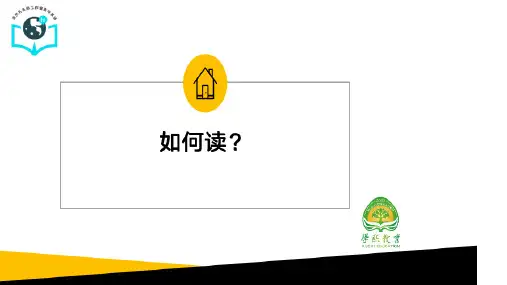
Mac,friends,bicycle,pedaled,home,wolf,jumped,cars,climb, Paul
Characters人 Mac, friends, Paul, wolf 物类 Places地点类 home, climb Tools工具类 bicycle, cars Action动作类 pedal, jump
6月读后续写真题(精品)高考英语作 文新题 型-PPT 执教课 件【推 荐】
The Micro-skills Training in writing 表达微技能: 之准确的动作神态描写:恐惧篇
II. 词块和句的积累: 1. A snake came out of the brushwood and scared me to death. 2. The explosion really frightened the pants off me. 3. That horror movie made my hair stand on end. 4. I was scared stiff / silly. 5. My heart stood still when I saw the little baby was to fall from the second floor. 6. Last night, I dreamed about being chased by an angry dog. I really had my heart in my mouth. 7. That loud noise scared me out of my wits. 8. A flood of fear welled up in him. 9. Sally said I should try Bungee, but I had cold feet. 10. She shook all over, feeling like sitting on pins and needles.
新高考专题2 2021新高考英语读后续写模拟专练6-10(翻译+范文)

专题2 2021新高考读后续写模拟专练6-10(翻译+范文)新高考读后续写模拟专练6读后续写阅读下面短文,根据所给情节进行续写,使之构成一个完整的故事。
neighbors' home. He and his wife had just parked around the corner from their own house in Allentown,to investigate. That's when he saw a woman crying desperately on their porch.“The baby' s in there! ”the woman cried. Though the fire department had been called, Surrell, then 64, instinctively ran inside. “The baby”was 8-year-oldTiara Roberts, the woman's granddaughter.Entering the burning house was like “running into a bucket of black paint,”Surrell says. The thick smoke caused him to stumble blindly around, burned his eyes, and made it impossible to breathe. The conditions would have been dangerous to anyone, but for Surrell, who has chronic obstructive pulmonary disease (慢性阻塞性肺病), they were life-threatening.After a few minutes in the smoke-filled house, he retreated outside to catch his breath. Surrell knew he couldn't hold his breath for long. Taking a deep breath, he went in a second time. The darkness was overwhelming. Yet because the house had a similar layout (布局)to h is, he found the stairs and made it to the second floor. He turned to the right and was met by intense heat. He was already out of breath.His throat and lungs burned as if he'd breathed in fire instead of the smoke and soot in the air. Every blink stung his eyes. All he could hear was the crackling and popping of burning wood. Then a soft but distinct moan (呻吟声) emerged. Still unable to see, Surrell fell to his knees on the hot wood floor. He crawled toward the sound, feeling around for any sign of the girl.注意:1. 所续写短文的词数应为 150 词左右;2. 至少使用 5 个短文中标有下划线的关键词语;3. 续写部分分为两段,每段的开头语已为你写好;4. 续写完成后,请用下划线标出你所使用的关键词语。
2020年高考英语新题型写作技巧十 读后续写及续写综合训练附答案
2020年高考英语写作新题型备考技巧专题(十)读后续写+续写综合训练读后续写是一种全新的综合写作任务形式。
根据研究表明, 读后续写能有效检测学生的阅读和写作水平, 从而有效区分不同能力的考生。
一.读后续写的考纲说明和题型介绍1.了解考纲说明根据教育部考试中心的相关说明, 读后续写要求考生在阅读一段350 词以内的语言材料的基础上, 根据该材料内容、所给段落开头语和所标示关键词进行续写(150 词左右), 将其发展成一篇与给定材料有逻辑衔接、情节和结构完整的短文。
续写部分分为两段。
原文给出10 个左右的标有下划线的关键词语, 所续写短文应使用 5 个以上。
2.明白试题选材的特点教育部考试中心的考试说明虽未对读后续写材料的体裁做出明确说明, 但根据所附的样题和近几年的真题来看, 所提供的阅读材料一般多以记叙文为主, 亦或是夹叙夹议类的文章, 故事情节有曲折、有起伏;故事线索的逻辑性比较强。
记叙文是以记人、叙事、写景、状物为主, 以写人物的经历和事物的发展变化为主要内容的一种文体形式。
它的主要的表达方式是叙述和描写,也常辅以适当的抒情、议论和说明。
记叙文的特点是通过生动形象的事件来反映生活并表达作者的思想情感, 它的中心思想蕴含在具体材料中, 通过对人、事、物的生动描写来表现。
它的话题贴近生活, 有一定趣味性, 给学生的想象空间较大, 上下文连贯性较强, 结构清晰, 语言难度较易把握。
3.熟知续写评分标准(一)题型考查的能力(1)想象力和创新表达能力;(2)理解与产出紧密结合的能力;(3)创造性地模仿与使用语言的能力;(4)用特定的划线词汇创意表达的能力(二)读后续写的高考评分标准(1)与所给短文及段落开头语的衔接程度;(2)内容的丰富性和对所给关键词语的覆盖情况;(3)应用语法结构和词汇的丰富性和准确性;(4)上下文的连贯性;(5)拼写与标点符号是语言准确性的一个重要方面,评分时,应视其对交际的影响程度予以考虑;(6)如书写较差以致影响交际,可将分数降低一个档次。
新高考英语作文应用文与读后续写
新高考英语作文应用文与读后续写全文共10篇示例,供读者参考篇1Title: My Adventure in Writing a Follow-up Essay for the New High School English ExamHello, everyone! I want to share with you my exciting experience of writing a follow-up essay for the new high school English exam. It was a bit challenging at first, but I'm so proud of myself for completing it!To get started, I first read the passage given to us in the exam. It was about a girl who traveled to a mysterious island and found a magical treasure. I was so intrigued by the story and couldn't wait to continue it in my own words.I brainstormed some ideas and decided to write about the girl's journey to find more treasures on the island. I wanted to add a twist to the story by introducing a friendly dragon who helped her along the way. It was so much fun creating new characters and plot twists!After finishing my essay, I read it over and made some edits to improve the flow and coherence. I also checked for any grammatical errors and made sure my writing was clear and concise.Finally, I submitted my follow-up essay and waited anxiously for the results. When I received my score, I was overjoyed to see that I had done well and my creativity had paid off!Overall, writing a follow-up essay for the new high school English exam was a great experience for me. It allowed me to unleash my imagination and improve my writing skills. I can't wait for the next writing challenge and I hope to continue exploring new ideas and stories in the future.That's all for now. Thank you for listening to my story! Good luck to all of you on your writing adventures!篇2Title: My Experience with the New College Entrance ExaminationHi everyone! Today I want to share with you my experience with the new college entrance examination. It's a big deal for us students, so I hope my story can help you prepare too!First of all, the new college entrance examination is different from the old one. There are more choices for students to choose from, like arts or sciences. I chose arts because I love drawing and writing stories. But don't worry, you can still study all subjects in school.In the new examination, there are four parts: listening, reading, writing, and speaking. The listening part is easy for me because I practice listening to English songs every day. The reading part is a bit hard, but I read a lot of books to improve my reading skills. The writing part is my favorite because I can express my thoughts and ideas. As for the speaking part, I practice speaking with my friends to build my confidence.After the examination, I felt nervous waiting for the results. But when I found out I passed, I was so happy! Now I can choose the college I want to go to and study what I love.Overall, the new college entrance examination is challenging but exciting. I hope my experience can help you prepare for it too. Good luck everyone!篇3Hello everyone!Today I want to talk about the new format of the English exam in the high school entrance examination. It's totally different from before and we need to be prepared!In the new format, there will be an application letter and a continuation writing section. For the application letter, we need to write to a school principal, a company manager or a government official to ask for something or express our opinions. It's like writing a letter to your teacher or parents, so we need to be polite and clear in our writing. Remember to use proper salutations and sign-offs!As for the continuation writing, we will be given a story starter and we have to continue the story in our own words. It's like creating our own adventure or fairy tale! We need to be creative and use our imagination to come up with interesting plots and characters. Don't forget to use descriptive language and action verbs to make your writing more exciting!So, let's practice writing application letters and continuation stories together. It will not only help us prepare for the new exam format but also improve our English writing skills. Let's have fun with writing and show off our creativity!That's all for today. Good luck with your English exams, everyone!Bye-bye!篇4Once upon a time, there was a girl named Lily who was in her senior year of high school. She was preparing for the new college entrance examination, which was said to be very different from the old one. Lily was feeling quite nervous about it, so she decided to write an application letter to the school principal asking for some advice.In her letter, Lily explained her concerns about the new exam and asked for the principal's guidance on how to prepare for it. She also mentioned that she had read a book called "The Power of Positive Thinking" and wondered if the school could organize a reading club to discuss it.To her surprise, the principal replied to her letter the next day. He praised Lily for her proactive attitude and offered to meet with her to discuss her concerns in person. He also agreed to start a reading club at the school and invited Lily to be the leader.Excited about the principal's response, Lily started to prepare for their meeting. She read more books on positive thinking and outlined some ideas for the reading club. When theday of the meeting arrived, Lily was nervous but determined to make a good impression.During the meeting, the principal listened to Lily's concerns and offered her some valuable advice on how to prepare for the new exam. He also shared his own experiences of overcoming challenges and encouraged Lily to stay positive and focused on her goals.After the meeting, Lily felt more confident and motivated to succeed in the new exam. She started attending the reading club meetings regularly and found them to be a great source of inspiration and support.As the exam day approached, Lily continued to work hard and stay positive. When the results were finally announced, she was thrilled to find out that she had scored high marks and secured a spot in her dream college.Looking back on her journey, Lily realized that it was her positive attitude and determination that had helped her achieve success. She was grateful for the support and guidance she had received from the principal and the reading club, and she knew that she would carry these lessons with her for the rest of her life.And so, Lily's story became an inspiration to other students who were facing challenges and uncertainties. She became a role model for perseverance and positivity, showing that with the right mindset and support, anything is possible.In conclusion, the new college entrance examination may be different and challenging, but with the right attitude and guidance, students like Lily can conquer any obstacles and achieve their dreams. Let's all learn from Lily's story and remember to stay positive and focused on our goals, no matter what challenges we may face.篇5Hello everyone, today I want to talk to you about how to write a continuation of a reading passage for the new high school English exam.When writing a continuation, it's important to first understand the main theme of the original passage. Make sure you continue the story or argument in a logical way that stays true to the original tone and style. You can introduce new characters, settings, or events, but make sure they fit seamlessly into the existing story.In your continuation, try to include a clear introduction that sets the scene and reintroduces the main characters. Then, develop the plot with new events or conflicts that add depth to the story. Remember to use descriptive language to paint a vivid picture for the reader.As you write the conclusion, make sure to tie up any loose ends and leave the reader with a satisfying resolution. You can also consider leaving some questions or mysteries unanswered to leave room for further exploration in future continuations.Overall, writing a continuation is a fun and creative way to practice your English skills and expand your imagination. So go ahead and give it a try, and see where the story takes you!That's all for now. I hope this helps you with your writing. Happy writing, everyone!篇6Hi everyone,I'm going to tell you about a special kind of English writing called "application documents" and "reading continuation". I know it sounds like a lot, but don't worry, I'll explain it all in a way that's easy to understand.So, application documents are like letters or essays that you write to apply for something, like a job or a school. You have to write about yourself and why you're the best person for the job or the school. It's important to use good grammar and spelling, and to make sure your writing is clear and organized.Reading continuation is when you read a story or an article, and then you have to write a new part of the story. You have to think about what might happen next, and use your imagination to continue the story in a creative way.Both application documents and reading continuation are really fun ways to practice your English writing skills. You can use your creativity and imagination, and show off your writing abilities. Plus, it's a great way to improve your English overall.So next time you have to write an application document or do a reading continuation exercise, remember to have fun with it and do your best!That's all for now. Happy writing!Love,[Your Name]篇7Title: My Adventure in Writing a Follow-up to the New College Entrance Examination English CompositionHello, everyone! I want to share my exciting experience in writing a follow-up to the new college entrance examination English composition. It all started when our English teacher assigned us to read a short passage and write a continuation of the story. I was a little nervous at first because I wasn't sure if I could come up with a good story. But with some creativity and imagination, I started writing and before I knew it, I had a whole new adventure unfolding on the page.In my follow-up story, I decided to introduce a new character who had a special talent for solving mysteries. This character teamed up with the original protagonist to unravel a hidden treasure that was buried in the woods near their school. Together, they faced many challenges and obstacles, but with determination and teamwork, they were able to uncover the treasure and save the day.Writing the follow-up was so much fun! I got to use my imagination to create new characters, plot twists, and suspenseful moments. It was like I was the director of my own movie, controlling the action and the outcome. I also learned alot about storytelling and how to keep the reader engaged throughout the narrative.Overall, writing a follow-up to the new college entrance examination English composition was a great experience. It allowed me to explore my creativity, improve my writing skills, and have fun in the process. I can't wait to see what other adventures await me in the future. Thank you for listening to my story!篇8Title: My Experience with the New High School English ExamHi everyone, I'm so excited to share with you my experience with the new high school English exam. It was a roller coaster ride of emotions, but in the end, I learned so much and it was totally worth it!So, the exam started off with the reading comprehension section. We had to read a passage about climate change and answer questions about it. At first, I was a little nervous because the passage was quite long, but I took my time and read carefully. Surprisingly, I found the questions quite easy and was able to answer them all correctly.Next up was the writing section, where we had to write an essay about our favorite hobby. I love playing soccer, so I wrote all about how much I enjoy playing with my friends and how it helps me stay active and healthy. I even added some personal anecdotes to make it more interesting. I was really happy with how my essay turned out.Finally, there was the listening section, which was probably the most challenging for me. We had to listen to a story and answer questions about it. I had to concentrate really hard to catch all the details, but in the end, I managed to answer most of the questions correctly.Overall, I think the new high school English exam was a great experience. It challenged me in ways I didn't expect, but it also taught me a lot. I can't wait to see how I did when the results come out!Thanks for listening to my story, guys. Remember, no matter how tough it may seem, just keep calm and carry on. You got this!篇9Title: My Future DreamHello everyone! My name is Amy. Today I want to share with you my future dream.I have always loved animals since I was a little girl. I think they are so cute and fascinating. That's why I want to become a veterinarian when I grow up. I want to help sick and injured animals, and make sure they are well taken care of.To achieve my dream, I know I need to study hard and do well in school. So, I make sure to always listen to my teachers and do my homework on time. I also read a lot of books about animals and their health, so I can learn as much as possible.In the future, I hope to go to a good university and study veterinary medicine. I want to learn everything I can about animals and how to keep them healthy. And I know that with hard work and determination, I can make my dream come true.So, that's my future dream - to become a veterinarian and help animals. What is your future dream? I would love to hear about it!Thank you for listening! Bye bye!篇10Hello everyone! Today I want to share with you a fun way to write an article for the new high school English exam. It's called writing a continuation story!First, you start by reading a short story or an article given to you in the exam. Then, you imagine what could happen next in the story. You can think about the characters, the setting, and the plot to come up with your own creative ideas.Next, you start writing your own continuation of the story. You can use your imagination to add new characters, new events, or even a surprising plot twist. Make sure to use descriptive language and interesting vocabulary to make your story engaging for the reader.Remember to use proper grammar and punctuation in your writing. You can also add dialogue between characters to make your story more lively and realistic.In the end, make sure to read over your story carefully to check for any errors or typos. You want to make sure your writing is clear and easy to understand.Writing a continuation story is a great way to practice your creative writing skills and showcase your English languageabilities in the new high school exam. Have fun writing and let your imagination run wild! Good luck!。
2021届高考英语作文读后续写20篇附范文
高考英语作文读后续写1 .【浙江省温州市2018届高三普通高中高考语数英适应性测试】It was an Art lesson. Rachel sat at the desk watching her classmates busy preparuig tlie water jars and paints. She understood why Mrs. Weston asked her to sit down and got Lisa to fetch everything for her. It was always a disaster when Rachel tried to do Art!Rachel si.hed and reached out to dip her brush in some black pauit and—oh. no! She knocked over the jar. The water spread across the desk and drowned the paper. Lisa called Nirs. Weston to see what Rachel had done. Rachel went red in die face. She jumped to her feet to get a cloth. Her chair fell over backwards. She tinned round and her paintbmsh caught Lisa across the face, grvmg her a black moustache. Lisa was so surprised that she fell back against a wire bookstand. It came crashing down and the books went all over the floorHow clumsy! Rachel thought as she went home on the bus. The bus stopped outside her house. She jiunped up and her elbow (肘部)knocked a woman's hat right over her eyes. Oh, no! Rachel said sorry、got off and rail mdoors. Mum wasn't in the kitchen but lay in bed as she caught an a\vfUl cold. Rachel ofiered to make a cup of tea but Mum would rather wait for Dad. Rachel sighed. She understood Muni was afraid she would spill (溅出)it.“But would you go to Mrs. Willow for some cold cure?'' asked Mum. Rachel tinned to the door at once. “But Rachel, Mrs. Willow's house is fiill of beautifiil things, so if she asks you to come in, you'd better say no/ Rachel siglied and ran out.Mrs. Willow was an old lady with white hair and 311alp blu』eyes living in ail old house. She opened the door and invited her in. Rachel said why she came and tliat she preferred to wait outside remembermg her mother's warning. Mrs. Willow insisted Rachel come inside. Rachel took a deep breath and stepped m. She looked round Mrs. Willow's sitting room and saw at once why Alum had been worried.注意:1.所续写短文的词数应为150左右;2.应使用5个以上短文中标有下划线的关键词语;3.续写部分分为两段,每段的开头语已为你写好;4.续写完成后,请用下划线标出你所使用的关键词语。
新高考 英语作文短篇小说读后续写含答案
一“My aunt will come down very soon, Mr. Nuttel,” said a very calm young lady of fifteen years of age; “meanwhile you must try to bear my company.”Framton Nuttel tried to say something which would please the niece now present, without annoying the aunt that was about to come. He was supposed to be going through a cure for his nerves; but he doubted whether these polite visits to a number of total strangers would help much.“Do you know many of the people round here?” asked the niece, when she thought that they had sat long enough in silence.“Hardly one,” said Framton. “My sister was staying here, you know, about four years ago, and she gave me letters of introduction to some of the people here.”“Then you know almost nothing about my aunt?” continued the calm young lady.“Only her name and address;” Framton admitted. He was wondering whether Mrs. Sappleton was married; perhaps she had been married and her husband was dead. But there was something of a man in the room.“Her great sorrow came just three years ago,” said the child. “That would be after your sister’s time.”“Her sorrow?” asked Framton.“You may wonder why we keep that window wide open on an October afternoon,” said the niece, pointing to a long window that opened like a door on to the grass outside.“It is quite warm for the time of the year,” said Framton; “but has that window got anything to do with your aunt’s sorrow?”“Out through that window, exactly three years ago, her husband and her twoyoung brothers went off for their day’s shooting. They never came back. In crossing the country to the shooting-ground, they were all three swallowed in a bog. Their bodies were never found.” Here the child’s voice lost its calm sound and became almost human. “Poor aunt always thinks that they will come back someday, they and the little brown dog that was lost with them, and walk in at that window just as they used to do. That is why the window is kept open every evening till it is quite dark. Do you know, sometimes on quiet evenings like this, I almost get a strange feeling that they will all walk in through the window?”It was a relief to Framton when the aunt bustled into the room with a whirl of apologies for being late in making her appearance.“I hope Vera has been amusing you?” she said.“She has been very interesting,” said Framton.“I hope you don't mind the open window,” said Mrs. Sappleton briskly; “My husband and brothers will be home directly from shooting, and they always come in this way.” She rattled on cheerfully about the shooting and the scarcity of birds, and the prospects for duck in the winter. To Framton it was all purely horrible. He made a desperate but only partially successful effort to change the topic; he was conscious that his hostess was giving him only a part of her attention and her eyes were constantly straying past him to the open window and the lawn beyond.Paragraph 1:Then suddenly Mrs. Sappleton brightened into alert attention.Paragraph 2:Framton wildly grabbed his hat and stick; he ran out through the front door and through the gate.二Once upon a sunny morning a man who sat in a breakfast nook looked up from his scrambled eggs to see a white unicorn with a golden horn quietly cropping the roses in the garden. The man went up to the bedroom where his wife was still asleep and woke her. "There's a unicorn in the garden," he said. "Eating roses." She opened one unfriendly eye and looked at him."The unicorn is a mythical beast," she said, and turned her back on him. The man walked slowly downstairs and out into the garden. The unicorn was still there; now he was browsing among the tulips. "Here, unicorn," said the man, and he pulled up a lily and gave it to him. The unicorn ate it gravely. With a high heart, because there was a unicorn in his garden, the man went upstairs and roused his wife again. "The unicorn," he said," ate a lily." His wife sat up in bed and looked at him coldly. "You are a booby," she said, "and I am going to have you put in the booby-hatch."The man, who had never liked the words "booby" and "booby-hatch," and wholiked them even less on a shining morning when there was a unicorn in the garden, thought for a moment. "We'll see about that," he said. He walked over to the door. "He has a golden horn in the middle of his forehead," he told her. Then he went back to the garden to watch the unicorn; but the unicorn had gone away. The man sat down among the roses and went to sleep.As soon as the husband had gone out of the house, the wife got up and dressed as fast as she could. She was very excited and there was a gloat in her eye. Paragraph 1:She telephoned the police and a psychiatrist; she told them to hurry to her house and bring a strait-jacket.Paragraph 2:Just as the police got her into the strait-jacket, the husband came back into the house.Reference:booby-hatch:精神病院strait-jacket: 用来束缚精神病患者的约束衣三I first heard this tale in India, where is told as if true --though any naturalist would know it couldn't be. Later someone told me that the story appeared in a magazine shortly before the First World War. That magazine story, and the person who wrote it, I have never been able to track down.The country is India. A colonial official and his wife are giving a large dinner party. They are seated with their guests--officers and their wives, and a visiting American naturalist -- in their spacious dining room, which has a bare marble floor, open rafters and wide glass doors opening onto a veranda.A spirited discussion springs up between a young girl who says that women have outgrown the jumping-on-a-chair-at-the-sight-of-a-mouse era and a major who says that they haven't."A woman's reaction in any crisis," the major says, "is to scream. And while a man may feel like it, he has that ounce more of self-control than a woman has. And that last ounce is what really counts."The American does not join in the argument but watches the other guests. As he looks, he sees a strange expression come over the face of the hostess. She is staring straight ahead, her muscles contracting slightly. She motions to the native boy standing behind her chair and whispers something to him. The boy's eyes widen: he quickly leaves the room.Of the guests, none except the American notices this or sees the boy place a bowl of milk on the veranda just outside the open doors.The American comes to with a start. In India, milk in a bowl means only one thing -- bait for a snake. He realizes there must be a cobra in the room. He looks up at the rafters --the likeliest place --but they are bare. Three corners of the room are empty, and in the fourth the servants are waiting to serve the next course. There is only one place left -- under the table.His first impulse is to jump back and warn the others, but he knows the commotion would frighten the cobra into striking.Paragraph 1:He speaks quickly, the tone of his voice so commanding that it silences everyone.Paragraph 2:Screams ring out as he jumps to slam the veranda doors safely shut.四Once upon a time there was an island where all the feelings lived: Happiness, Sadness, Knowledge, and all the others, including Love. One day it was announced to all of the feelings that the island was going to sink to the bottom of the ocean. So all the feelings prepared their boats to leave.Love was the only one that stayed. She wanted to preserve the island paradise until the last possible moment. When the island was almost totally under, love decided it was time to leave. She began looking for someone to ask for help.Just then Richness was passing by in a grand boat. Love asked, "Richness, can I come with you on your boat?" Richness answered, "I'm sorry, but there is a lot of silver and gold on my boat and there would be no room for you anywhere."Then Love decided to ask Vanity for help who was passing by in a beautiful vessel. Love cried out, "Vanity, help me please!" "I can't help you," Vanity said, "You are all wet and will damage my beautiful boat."Next, Love saw Sadness passing by. Love said, "Sadness, please let me go with you." Sadness answered, "Love, I'm sorry, but, I just need to be alone now."Then, Love saw Happiness. Love cried out, "Happiness, please take me with you." But Happiness was so overjoyed that he didn't hear Love calling to him. Paragraph 1:Love began to cry.Paragraph 2:Love then found Knowledge and asked, "Who was it that helped me?"五The young people were going to Florida—three boys and three girls—and when they boarded the bus, they were carrying sandwiches and wine in paper bags, dreaming of golden beaches and sea tides as the gray cold of New York vanished behind them.As the bus rumbled south, they began to notice Vingo. He sat in front of them, dressed in a plain, ill-fitting suit, never moving, his dusty face masking his age. He chewed the inside of his lip a lot, frozen into some personal cocoon of silence.Deep into the night, outside Washington, the bus pulled into a roadside restaurant, and everybody got off except Vingo. He sat rooted in his seat, and the young peoplebegan to wonder about him, trying to imagine his life: perhaps he was a sea captain, a runaway from his wife, an old soldier going home. When they went back to the bus, one of the girls sat beside him and introduced herself.“We’re going to Florida,” she said brightly. “I hear it’s beautiful.”“It is,” he said quietly, as if remembering something he had tried to forget.“Want some wine?” she said. He smiled and took a swig. He thanked her and retreated again into his silence. After a while, she went back to the others, and Vingo nodded in sleep.In the morning, they awoke outside another restaurant, and this time Vingo went in. The girl insisted that he join them. He seemed very shy, and ordered black coffee and smoked nervously as the young people chattered about sleeping on beaches. When they returned to the bus, the girl sat with Vingo again, and after a while, slowly and painfully, he told his story. He had been in jail in New York for the past four years, and now he was going home.“Are you married?”“I don’t know.”“You don’t know?” she said.“Well, when I was in the can I wrote to my wife,” he said. “I told her that I was going to be away a long time, and that if she couldn’t stand it, if the kids kept asking questions, if it hurt too much, well, she could just forget me. I’d understand. Get a new guy, I said -- she’s a wonderful woman, really something -- and forget about me.I told her she didn't have to write me. And she didn’t. Not for three and a half years.”“And you’re going home now, not knowing?”“Yeah,” he said shyly. “Well, last week, when I was sure the parole was coming through, I wrote her again. There’s a big oak tree just as you come into town. I toldher that if she’d take me back, she should put a yellow handkerchief on the oak tree, and I’d get off and come home. If she didn’t want me, forget it -- no handkerchief, and I would go on through."“Wow,” the girl said. “Wow.”She told the others, and soon all of them were in it, caught up in the approach of Vingo’s home town, looking at the pictures he showed them of his wife and three children --the woman handsome in a plain way, the children still unformed in the cracked, much handled snapshots.Paragraph 1:Now they were 20 miles from the town.Paragraph 2:Vingo sat there stunned, looking at the oak tree.六Stuffy Pete took his seat on the third bench to the right as you enter Union Square from the east, at the walk opposite the fountain. Every Thanksgiving Day for nine years he had taken his seat there promptly at 1 o'clock. But today Stuffy Pete's appearance at the annual trysting place seemed to have been rather the result of habit than of the yearly hunger which, as the philanthropists seem to think, afflicts the poor at such extended intervals.Certainly Pete was not starving. He had just come from an unexpected feast. He was passing a red brick mansion near the beginning of Fifth avenue, in which lived two old ladies of old family who respected traditions. One of their traditional habits was to send a servant at the gate to ask the first hungry wayfarer that came along after the hour of noon had struck, and banquet him to a finish. Stuffy Pete happened to pass by on his way to the park and enjoyed a free meal.Pete was sitting on the bench for a rest and then his eyes suddenly bulged out fearfully for he saw the Old Gentleman coming across Fourth avenue toward him. Every Thanksgiving Day for nine years he had found Stuffy Pete there, and had led him to a restaurant and watched him eat a big dinner.The Old Gentleman was thin and tall and sixty. He was dressed all in black, and wore the old-fashioned kind of glasses that won't stay on your nose. His hair was whiter and thinner than it had been last year, and he seemed to make more use of his big, knobby cane with the crooked handle."Good morning," said the Old Gentleman. "I am glad to perceive that the vicissitudes of another year have spared you to move in health about the beautiful world. For that blessing alone this day of thanksgiving is well proclaimed to each of us. If you will come with me, my man, I will provide you with a dinner that should make your physical being accord with the mental."That is what the old Gentleman said every time. Every Thanksgiving Day for nine years. The words themselves almost formed an Institution. Nothing could be compared with them except the Declaration of Independence. Always before they had been music in Stuffy's ears. But now he looked up at the Old Gentleman's face with tearful pain in his own. The fine snow almost sizzled when it fell upon his sweaty brow. But the Old Gentleman shivered a little and turned his back to the wind.Stuffy Pete looked up at him for a half minute, stewing and helpless in his own self-pity. The Old Gentleman's eyes were bright with the giving-pleasure."Thankee, sir. I'll go with ye, and much obliged. I'm very hungry, sir."The Old Gentleman led him southward to the restaurant, and to the table where the feast had always occurred. They were recognized."Here comes de old guy," said a waiter, "dat blows dat same bum to a meal every Thanksgiving."The waiters heaped the table with holiday food -- and Stuffy, with a sigh that was mistaken for hunger's expression, raised knife and fork and started eating. Turkey, chops, soups, vegetables, pies, disappeared before him as fast as they could be served. Gorged nearly to the uttermost when he entered the restaurant, the smell of food had almost caused him to lose his honor as a gentleman, but he fought like a true knight. Paragraph 1:In an hour Stuffy leaned back with a battle won.Paragraph 2:An hour later another ambulance brought the Old Gentleman.七Alexis Vaughan, 17, sat quietly in the passenger seat of her dad's car. She stared out the window at the Preston, Idaho, cornfields.Alexis, a high school student, let her eyes lazily scan the landscape for wildlife. Still, she was terrified when a deer came into view about 200 yards in front of them, just a few feet off the road. "Dad, there's a deer, there!" Alexis said, rolling down the window for a better look. It was a three-point buck (雄鹿)——a male deer with sharp, three-pronged antlers (角) on each side of its head.As the car moved closer, Alexis saw that the buck's head was bent toward the ground.Then she heard a scream. A few seconds later, she saw an arm fly up near the buck's head. Alexis realized the buck was attacking a woman. Sue Panter, a 44-year-old mother, had been out for her morning run. The buck had come out from the tall corn and began following her. Having lived in rural Idaho for years, Sue knew that most bucks got frightened by humans. But this buck edged closer, even when she threw at it with a handful of gravels(石子).Sue went to pick up a log to use for self-defense, and the buck charged.It liftedher with its antlers and threw her into the air. Sue could feel the horns punctured(刺穿) her leg and blood flowed down her leg.Within seconds, the buck had pushed her off the road and into the cornfield.When Alexis and her father pulled up, the buck was rolling Sue like a rag doll.Alexis looked into the woman's terrified eyes, and before her father had even stopped the car, the 104 pound teenager jumped quickly out of the car and down the slope toward the buck. She was kicking and hitting it to get its attention. Then Michael, her father, who had followed his daughter, wrestled the buck away from the women by holding the antlers.Paragraph1:Alexis helped Sue up the slope.Paragraph 2:Then she heard her father yell.八The policeman on the beat moved along the avenue impressively. The time was barely 10 o'clock at night, but it was rather chilly. Now and then you might see the lights of a shop or of a small restaurant. But most of the doors belonged to business places that had been closed hours ago. When about midway of a certain block the policeman suddenly slowed his walk. Near the door of a darkened store a man was standing. As the cop walked toward him, the man spoke quickly."It's all right, officer," he said. "I'm just waiting for a friend. It's an appointment made twenty years ago. Sounds a little funny to you, doesn't it? Well, I'll explain if you'd like to make certain it's all straight. About that long ago there used to be a restaurant where this store stands——'Big Joe' Brady's restaurant.""It was here until five years ago," said the cop. "It was torn down then."The man in the doorway struck a match and lit his cigar. The light showed a pale, square-jawed face with keen eyes, and a little white scar near his right eyebrow. He had a large jewel in his necktie."Twenty years ago tonight," said the man, "I had dinner here with Jimmy Wells. He was my best friend and the best fellow in the world. He and I grew up together here in New York, like two brothers. The next morning I was to start for the West to make my fortune. You couldn't have pulled Jimmy out of New York. He thought it was the only place on earth. Well, we agreed that we would meet here again exactly twenty years from that date and time, no matter what our conditions might be or from what distance we might have to come. ""It sounds interesting," said the cop. "Haven't you heard from your friend since you left?""Well, yes, for a time we corresponded," said the other. "But after a year or twowe lost track of each other. But I know Jimmy will meet me here if he's alive. I came a thousand miles to stand in this door tonight, and it's worth it if my old partner turns up."The waiting man pulled out a handsome watch, the lids of it set with small diamonds. "Three minutes to ten," he announced. "It was exactly ten o'clock when we parted here at the restaurant door.""Did pretty well out West, didn't you?" asked the policeman."You bet! I hope Jimmy has done half as well. He was a kind of plodder, though, good fellow as he was. I've had to compete with some of the sharpest wits going to get my pile. ""I'll be on my way. Hope your friend comes around all right." said the policeman, passing on along his beat, checking doors as he went.In the door of the hardware store the man who had come a thousand miles to fill an appointment smoked his cigar and waited. About twenty minutes later a tall man in a long overcoat hurried across from the opposite side of the street. He went directly to the waiting man.“Is that you, Bob?" he asked, doubtfully."Is that you, Jimmy Wells?" cried the man in the door."Bless my heart!" exclaimed the new arrival, grasping both the other's hands with his own. "It's Bob, sure as fate. I was certain I'd find you here if you were still in existence.”"You've changed lots, Jimmy. I never thought you were so tall by two or three inches.""Oh, I grew a bit after I was twenty. Come on, Bob, We’ll go to a place I know, and have a good long talk about old times."Paragraph 1:The two men walked along the street, arm in arm.Paragraph 2:“Before we go on to the police station, here's a note for you from a cop named Wells." said the tall man.九I knew Marty's magic was fake, but I just couldn't prove it.Marty was new at school. Usually when you're the new kid, you lay low, but not Marty. On his first day, he made a toothpick disappear. One second he was holding the toothpick, and the next second it was gone! Everyone was asking him how he did it."It's magic!" Marty said proudly."At my old school, they actually called meMagic Marty.""Is he serious?" I whispered to my friend Brian. "Magic Marty? And does he always bring toothpicks to school?""I don't know, but that was pretty cool," Brian said, still watching Marty.I turned to walk away. It's not magic. He's tricking everyone, and I'm going to find out how he does it. That night at home, I found a box of toothpicks. I sat at the kitchen table for almost an hour trying to figure out how Marty had made one disappear. The only thing I learned was how to poke my hand 11 times with a toothpick."Matt, it's getting late. What are you still doing down here?"my mom asked."A new kid at school is doing magic tricks and everyone thinks it's amazing. I'm just trying to figure out how he did this one trick.""I'm curious. Why is this so important?""Because he's tricking people!" I cried."Sounds as if he's trying to make friends" My mom patted my arm. "It's your bedtime."The next day at shcool, Marty started his magic thing again. "It's hot today!" Marty said to a crowd around his. "So for today's trick, I'll turn this water into ice!" Marty pulled a water bottle out of his bag, along with a red plastic cup. He carefully poured water from his bottle into the cup. I watched from the back, hoping to catch a mistake. "Now I'll the magic wave!"Marty looked as if he was playing an invisible piano just above the cup. "Ta-da!" Marty got a handful of ice cubes! filled the hallway, and Brian reached over to give Marty a high five. "How did you do that?" someone asked.Marty smiled. "Sorry, but that's the first law of magic. A magician never revealshis secrets."Again I tried hard to reveal his trick that night, but I still couldn’t get it. Magic Marty had me, but the next day I caught a lucky break. At lunch, Marty was going on about how he could make things float. He had a ring in one hand and a pencil in the other. That's when I saw it: a thin piece of fishing line tied around the end of the pencil and attached to a Marty's shirt!Sure enough, he made the ring "float" by it over the pencil and hanging it from the line. No one else noticed, and soon the whole cafeteria was clapping. When the crowds were gone, I walked over. It was time to put an end to the Magic Marty show.Paragraph 1:"I know how you did it, "I said, folding my arms.Paragraph 2:Marty let out a relieved sigh, and I turned to walk away.十Knowing that Mrs. Mallard was afflicted with a heart disease, great care was taken to break to her as gently as possible the news of her husband's death.It was her sister Josephine who told her, in broken sentences; veiled hints that revealed in half concealing. Her husband's friend Richards was there, too, near her. It was he who had been in the newspaper office when intelligence of the railroad accident was received, with Brently Mallard's name leading the list of "killed."She did not hear the story as many women have heard the same, with a paralyzed inability to accept its significance. She wept at once, with sudden, wild abandonment, in her sister's arms. When the storm of grief had spent itself she went away to her room alone. She would have no one follow her.There stood, facing the open window, a comfortable, roomy armchair. Into this she sank, pressed down by a physical exhaustion that haunted her body and seemed to reach into her soul.She could see in the open square before her house the tops of trees that were all aquiver with the new spring life. The delicious breath of rain was in the air. In the street below a peddler was crying his wares. The notes of a distant song which some one was singing reached her faintly, and countless sparrows were twittering in the eaves.She sat with her head thrown back upon the cushion of the chair, quite motionless, except when a sob came up into her throat and shook her, as a child who has cried itself to sleep continues to sob in its dreams.She was young, with a fair, calm face. But now there was a dull stare in her eyes,whose gaze was fixed away off yonder on one of those patches of blue sky. It was not a glance of reflection, but rather indicated a suspension of intelligent thought.There was something coming to her and she was waiting for it, fearfully. What was it? She did not know; it was too subtle and elusive to name. But she felt it, she was beginning to recognize this thing that was approaching to possess her, and she was striving to beat it back with her will --as powerless as her two white slender hands would have been.When she abandoned herself a little whispered word escaped her slightly parted lips. She said it over and over under her breath: "free, free, free!" Her pulses beat fast, and the coursing blood warmed and relaxed every inch of her body.She knew that she would weep again when she saw the kind, tender hands folded in death; the face that had never looked save with love upon her, fixed and gray and dead. But she saw beyond that bitter moment a long procession of years to come that would belong to her absolutely. And she opened and spread her arms out to them in welcome.And yet she had loved him—sometimes. Often she had not. What did it matter! What could love, the unsolved mystery, count for in face of this possession of self-assertion which she suddenly recognized as the strongest impulse of her being!"Free! Body and soul free!" she kept whispering.Paragraph 1:"What are you doing Louise? For heaven's sake open the door!" Josephine was kneeling before the closed door, begging for admission.Paragraph 2:Suddenly they heard someone opening the front door with a key.一Paragraph 1Then suddenly Mrs. Sappleton brightened into alert attention. “Here they are at last! Just in time for tea!” she cried. Framton shivered slightly and turned towards the niece with a look intended to convey sympathetic comprehension. The child was staring out through the open window with dazed horror in her eyes. In a chill shock of nameless fear Framton swung round in his seat and looked in the same direction. In the increasing darkness three figures were walking across the grass towards the window; they all carried guns under their arms. A tired brown dog kept close at their heels. Noiselessly they drew near to the house.Paragraph 2Framton wildly grabbed his hat and stick; he ran out through the front door and。