
高效氯氟氰菊酯乳油安全技术说明书
化学品安全技术说明书 (25g/L高效氯氟氰菊酯乳油)
第一部分 化学品及企业标识 化学品中文名称: 25g/L高效氯氟氰菊酯乳油 化学品英文名称:Lambda-cyhalothrin 企业名称:XXXXXXX 地 址:XXXXXXX 邮 编: XXXXXXX 电子邮件地址:XXXXXXX 联系电话: XXXXXXX 传真号码: XXXXXXX 企业应急电话: XXXXXXX 产品代码: XXXXXXX 产品推荐用途: 用作农用杀虫剂 产品限制用途: 无资料
第二部分 危险性概述 物理化学危险: 本品可燃、有毒, 具刺激性,遇明火、高热有燃烧爆炸危险。 健康危害: 本品为中等毒杀虫剂。食入、皮肤接触都可能中毒。对眼睛和皮肤有刺激作用。在试验剂量内对动物无致畸、致突变、致癌作用。对鸟类低毒。 环境危害: 对环境有危害,对水体可造成污染。 GHS危险性类别: 易燃液体 类别3 严重眼睛损伤/眼睛刺激性 类别2B 呼吸或皮肤过敏-皮肤致敏 类别1B 急性毒性-经口 类别4 急性毒性-经皮 类别5 对水环境的危害-急性 类别1 标签要素: 象形图:
警示词: 警告 危险信息: 易燃液体和蒸气; 引起眼睛刺激; 可能引起皮肤过敏性反应; 吞咽有害; 皮肤接触可能有害; 对水生生物毒性非常大。 防范说明: 预防措施: 远离热源、明火,使用不产生火花的工具作业;采取防静电措施,容器和接收设备接地连接;采用防爆电器、通风、照明及其他设备;戴防护手套、防护眼镜、防护面罩;操作后彻底清洗身体接触部位;作业场所不得进食、饮水、吸烟。 事故响应: 皮肤接触:立即脱去污染的衣着,用大量流动的清水或肥皂水冲洗。眼睛接触:立即提起眼睑,用大量清水或生理盐水冲洗眼睛,就医。食入:洗胃,就医。收集泄漏物。火灾时,使用干粉、泡沫、二氧化碳灭火。 安全储存: 在阴凉、通风良好处储存;上锁保管。 废弃处置: 建议采用控制焚烧法或安全掩埋法处置。
第三部分 成分/组成信息 物质 □ 混合物 危险组分 浓度,% CAS No. 高效氯氟氰菊酯 2.9 91465-08-6 甲醇 20 67-56-1 二甲苯 40 95-47-6
第四部分 急救措施 皮肤接触: 脱去污染的衣着,用大量流动的清水或肥皂水冲洗。
眼睛接触: 立即提起眼睑,用大量清水或生理盐水冲洗眼睛,就医。 吸 入: 迅速脱离现场之空气新鲜处。保持呼吸道通畅,如呼吸停止,进行人工呼吸。如呼吸困难,给输氧。 食 入: 漱口,立即就医,大量吞服时可洗胃。禁止催吐。 接触该化学品的主要症状和对健康的影响: 中毒症状:属神经毒剂,接触部位皮肤感到刺痛,尤其在口、鼻周围,但无红斑。很少引起全身性中毒。接触 量大时会引起头痛、头昏、恶心、呕吐、双手颤抖,全身抽搐或惊厥、昏迷、休克。 对施救者的忠告: 进入事故现场应佩戴防毒面具,禁止对中毒人员进行催吐 医生的特别提示: 无 及时的医疗护理和特殊的治疗: 无
第五部分 消防措施 灭火方法及灭火剂: 在上风向灭火,使用灭火器或喷水保持火场容器冷却,直至灭火结束。灭火剂:泡沫、干粉、二氧化碳、砂土。 特别危险性: 燃烧产生有毒的氮氧化物、氰化物 特殊灭火方法: 无 保护消防人员的防护装备:消防人员须佩戴防毒面具、穿全身消防服,在上风向灭火。
第六部分 泄露应急处理 作业人员防护措施、防护装备和应急处置程序: 迅速撤离泄漏污染区人员至安全区,并进行隔离,严格限制出入。切断火源,建议应急处理人员戴自给式呼吸器,穿化学防护服。不要直接接触泄漏物,尽可能切断泄漏源。 环境保护措施: 本品为水污染物,应防止流入下水道、排洪沟等限制性空间及地下水等。 泄漏化学品的收容、清除方法及所使用的处置材料: 小量泄漏:用砂土或其他不燃材料吸附或吸收。大量泄漏:构筑围堤或挖坑收容。用泵转移至槽车或专用收集器内,回收或运至废物处理场所处置。 防止发生次生危害的预防措施: 消除点火源,防止泄漏物进入下水道、排洪沟等限制性空间及地下水等
第七部分 操作处置与储存 操作处置: 密闭操作,局部排风。防止蒸气泄漏到工作场所空气中。操作人员必须经过专门培训,严格遵守操作规程。建议操作人员佩戴自吸过滤式防毒面具(半面罩),戴化学安全防护眼镜,穿防毒物渗透工作服,戴橡胶手套。远离火种、热源,工作场所严禁吸烟。使用防爆型的通风系统和设备。在清除液体和蒸气前不能进行焊接、切割等作业。避免产生烟雾。避免与强氧化剂、碱类接触。配备相应品种和数量的消防器材及泄漏应急处理设备。倒空的容器可能残留有害物。 储存: 储存于阴凉、通风的库房。远离火种、热源。防止阳光直射。保持容器密封。应与氧化剂、碱类、食用化学品分开存放,切忌混储。配备相应品种和数量的消防器材。储区应备有泄漏应急处理设备和合适的收容材料。
第八部分 接触控制和个体防护 职业接触限值: 二甲苯50mg/m3;甲醇25mg/m3 。 监测方法: 气相色谱法 生物限值: 未制定标准 监测方法: 无资料 工程控制方法: 密闭操作,局部排风。 呼吸系统防护: 生产操作或农业使用时,建议佩戴防毒口罩。紧急事态抢救或逃生时,佩戴自给式呼吸器。 手防护: 戴乳胶手套。 眼睛防护: 戴化学安全防护眼镜。 皮肤和身体防护: 穿防毒物渗透工作服。 特殊防护措施: 工作现场禁止吸烟、进食和饮水。工作后,淋浴更衣。注意个人清洁卫生。
第九部分 理化特性 外观与性状: 淡黄色透明液体 气味: 有刺激性气味 pH 值: 4.0~6.0 熔点/凝固点(℃): 49.2 沸点、初沸点和沸程(℃):159~160℃ 闪点(℃): 38
爆炸上限%(V/V): 16 爆炸下限%(V/V): 3 蒸气压(KPa): 200nPa(20℃) 蒸气密度(空气=1): 1.22(20℃) 相对密度(水=1): 0.89(20℃) 溶解性: 难溶于水,可溶于大多数有机溶剂。 辛醇/水分配系数: 无资料 自燃温度(℃): 275℃ 分解温度(℃): 无资料 气味阈值: 无资料 蒸发速率: 无资料 易燃性: 易燃 临界温度(℃): 无资料 临界压力(MPa): 无资料 第十部分 稳定性和反应性 稳定性: 在正常温度环境下储存使用本品稳定。50℃黑暗处存放2年不分解,光下稳定,275℃分解,光下pH7~9缓慢分解,pH>9加快分解。 危险反应: 遇明火、高热能够燃烧产生有毒气体。 应避免的条件: 明火、高热 不相容的物质: 强氧化剂、碱类 危险的分解产物: 氮氧化物、氰化物、氯化氢 预期用途: 用作农用杀虫剂 可预见的错误用途: 无资料
第十一部分 毒理学信息 急性毒性: 大鼠经口LD50雌雄均大于464mg/kg;大鼠经皮LD50雌雄均大于2150mg/kg,属中等毒性。 皮肤刺激或腐蚀: 对皮肤有轻度刺激作用 眼睛刺激或腐蚀: 对眼睛有轻度刺激作用 呼吸或皮肤过敏: 无资料 生殖细胞突变性: 无 致癌性: 无 生殖毒性: 无资料 特异性靶器官系统毒性——一次性接触: 无资料 特异性靶器官系统毒性——反复接触: 无资料 吸入危害: 无资料 毒代动力学、代谢和分布信息: 无资料
第十二部分 生态学信息 生态毒性: 虹鳟LC50(96h)=0.36mg/L;大型溞EC50(72h)=0.26mg/L;小球藻EC50(96h)大于1000mg/L。 持久性和降解性: 微生物降解半衰期为23~82天;大田土壤降解半衰期为6~40天,在土壤中能够很快降解。 潜在的生物累积性: 无资料 土壤中的迁移性: 在土壤中迅速降解,预计不会在土壤中发生吸附。
第十三部分 废弃处置 废弃处置方法: —残余废弃物:尽可能回收利用,如不能回收利用,建议用焚烧法处置。不得采用排放到下水道的方式废弃处置本品 —受污染的容器和包装: 将容器返还生产商或按照地方和法规处置。 废弃注意事项: 注意废弃物对水的污染和焚烧产物对大气的污染。
第十四部分 运输信息 联合国危险货物编号(UN号): 3351 联合国运输名称: 液态拟除虫菊酯农药,毒性,易燃,闪点不低于23℃。 联合国危险性分类: 主要危险性6.1,次要危险性3。 包装标志: 毒性物质,易燃液体。 包装类别: II 包装方法: 可采用聚酯瓶或玻璃瓶包装,外包装为钙塑箱或纸板箱。
海洋污染物(是/否): 否 运输注意事项: 运输前应先检查包装容器是否完整、密封,运输过程中要确保容器不泄漏、不倒塌、不坠落、不损坏。严禁与强氧化剂、碱类、食品及食品添加剂混运。运输时运输车辆应配备相应品种和数量的消防器材及泄漏应急处理设备。运输途中应防曝晒、雨淋,防高温。公路运输时要按规定路线行驶,勿在居民区和人口稠密区停留。
第十五部分 法规信息 法规信息: 下列法律、法规、规章和标准,对该化学品的管理做了相应的规定: 中华人民共和国职业病防治法: 职业病分类和目录:二甲苯中毒、甲醇中毒、拟除虫菊酯类中毒。 可能导致的职业病:二甲苯中毒、甲醇中毒、拟除虫菊酯类中毒。 危险化学品安全管理条例: 危险化学品名录:未列入。 剧毒化学品名录:未列入。 危险货物品名表(GB 12268-2012):列入,将该物质划为第6.1 类毒害品。 使用有毒物品作业场所劳动保护条例: 一般有毒物品目录:二甲苯、甲醇列入。
Q_DABC010-201825g_L高效氯氟氰菊酯乳油
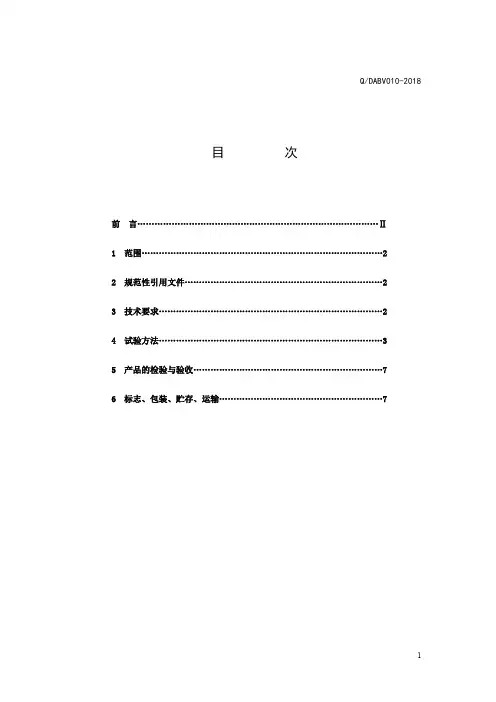
Q/DABV010-2018目次前言 (Ⅱ)1范围 (2)2规范性引用文件 (2)3技术要求 (2)4试验方法 (3)5产品的检验与验收 (7)6标志、包装、贮存、运输 (7)Q/DABV010-2018前言本标准根据试验配方,田间药效报告,及生产数据进行编制。
本标准根据GB/T1.1-2009《标准化工作导则第一部分:标准的结构和编写方法》和HG/T2467.2-2003《农药乳油产品标准编写规范》进行编写、制定、发布。
本标准由湖南神隆海洋生物工程有限公司提出;本标准由湖南省石油化工专业标准化技术委员会归口;本标准由湖南神隆海洋生物工程有限公司起草;本标准起草人:吴晓燕赵宇香曾威本标准所代替标准的版本历次发布情况为:Q/DABV010-1999Q/DABV010-2003Q/DABV010-2006Q/DABV010-2009Q/DABV010-2012Q/DABV010-2015Q/DABV010-2018Q/DABV010-2018 25g/L高效氯氟氰菊酯乳油该产品有效成份高效氯氟氰菊酯的其他名称,结构式和基本物化参数如下:结构式:分子式:C23H19ClF3NO3ISO通用名称:Lamhda—Cyhalothrin商品名称:高效氯氟氰菊酯化学名称:2-氰基-3-苯氧基苄基-3(2-氯-3.3.3-三氟-1-丙烯基)-2.2-二甲基环丙烷羧酸酯,(Z)-(lR)-Cis a S:(Z)-(Is)-Cis a R1:1混合物相对分子质量(按1997年国际相对原子质量计):449.86生物活性:杀虫熔点:49.2℃沸点:40℃蒸气压: 2.67×10⁻¹⁰Pa(20℃)溶解度:纯水0.005mg/L(PH6.2),缓冲水0.004mg/L(PH5.0),丙酮、乙酸乙酯、甲醇、正乙烷、甲苯>7500mg/L(21℃)稳定性:在15-20℃,至少可稳定存放6个月,酸性介质中稳定,在碱性介质中易分解,它在水中水解半衰期约为7d。
MSDS-高效氯氰菊脂

MSDS-高效氯氰菊脂1.产品名称中文名称: 高效氯氰菊脂英文名称: Beta cypermethrin中文别名:灭百可、兴棉宝、安绿宝、赛灭灵化学名称: 2,2-二甲基-3-(2,2-二氯乙烯基)环丙烷羧酸-α-氰基-(3-苯氧基)-苄酯2.危险性概述健康危害:属神经毒剂,作用方式一般为触杀、胃毒。
接触部位皮肤感到刺痛,尤其在口、鼻周围但无红斑。
很少引起全身性中毒。
接触量大时会引起头痛、头昏、恶心、呕吐、双手颤抖,全身抽搐或惊厥、昏迷、休克。
环境危害:对鱼及其他水生生物高毒,应避免污染河流、湖泊、水源和鱼塘等水体。
对家蚕高毒,禁止用于桑树上。
燃爆危险:燃烧产生有毒氮氧化物和氯化物气体。
3.急救措施皮肤接触:立即脱去污染的衣着,用肥皂水及流动清水彻底冲洗污染的皮肤、头发、指甲等。
就医。
眼睛接触:提起眼睑,用流动清水或生理盐水冲洗。
就医。
吸入:迅速脱离现场至空气新鲜处。
保持呼吸道通畅。
如呼吸困难,给输氧。
如呼吸停止,立即进行人工呼吸。
就医。
食入:大量吞服时可洗胃,不能催吐。
4.消防措施危险特性:遇明火、高热可燃。
与氧化剂可发生反应。
遇高热分解释出高毒烟气。
若遇高热,容器内压增大,有开裂和爆炸的危有害燃烧产物:一氧化碳、二氧化碳、氮氧化物、氯化氢、氰化物。
灭火方法:消防人员须佩戴防毒面具、穿全身消防服,在上风向灭火。
尽可能将容器从火场移至空旷处。
喷水保持火场容器冷却,直至灭火结束。
处在火场中的容器若已变色或从安全泄压装置中产生声音,必须马上撤离。
灭火剂:雾状水、泡沫、干粉、二氧化碳、砂土。
5.泄漏应急处理应急处理:迅速撤离泄漏污染区人员至安全区,并进行隔离,严格限制出入。
切断火源。
建议应急处理人员戴自给式呼吸器,穿一般作业工作服。
不要直接接触泄漏物。
尽可能切断泄漏源。
防止流入下水道、排洪沟等限制性空间。
小量泄漏:用砂土吸收。
大量泄漏:构筑围堤或挖坑收容。
用泵转移至槽车或专用收集器内,回收或运至废物处理场所处置。
高效氯氰菊酯使用方法
高效氯氰菊酯使用方法
高效氯氟氰菊酯是一种广谱性的杀虫剂,通过抑制昆虫神经轴突部位的传导,达到消灭虫害的效果,常被用来防治棉花、小麦、蔬菜、玉米等多种农作物虫害问题,那么高效氯氟氰菊酯的具体使用方法是什么呢?
1、柑橘潜叶蛾:每亩用4.5%乳油加水稀释2250~3000倍,均匀喷雾。
2、小麦蚜虫:每亩用2.5%乳油20毫升,加水15公斤水,均匀喷雾。
3、烟青虫:2~3龄幼虫期施药,每亩4.5%乳油25—40毫升,加水60~75千克,均匀喷雾。
4、玉米螟:每亩用2.5%乳油15毫升,加水15公斤水,喷施重点玉米心部。
5、地下害虫:每亩2.5%乳油20毫升,加水15公斤水,均匀喷雾。
6、菜蚜:在无翅蚜发生盛期防治,每亩用4.5%乳油20~30毫升,加水40~50千克,均匀喷雾。
7、水稻螟虫:每亩用2.5%乳油30-40毫升,加水15公斤水,于害虫危害初期或低龄期施药。
高效氯氰菊酯使用方法有很多,针对不同的病虫害使用方法是不一样的,要结合具体病害选择合适的解决办法。
高效氯氟氰菊酯

中毒症状:属神经毒剂,接触部位皮肤感到刺痛,尤其在口、鼻周围,但无红斑。很少引起全身性中毒。接 触量大时会引起头痛、头昏、恶心、呕吐、双手颤抖,全身抽搐或惊厥、昏迷、休克。
急救治疗:无特殊解毒剂,可对症治疗。大量吞服时可洗胃。不能催吐。
高效氯氟氰菊酯又叫三氟氯氰菊酯、功夫菊酯。它的药效特点,抑制昆虫神经轴突部位的传导,对昆虫具有 趋避、击倒及毒杀的作用,杀虫谱广,活性较高,药效迅速,喷洒后耐雨水冲刷,但长期使用易对其产生抗性, 对刺吸式口器的害虫及害螨有一定防效,作用机理与氰戊菊酯、氟氰菊酯相同。不同的是它对螨虫有较好的抑制 作用,在螨类发生初期使用,可抑制螨类数量上升,当螨类已大量发生时,就控制不住其数量,因此,只能用于 虫螨兼治,不能用于专用杀螨剂。
有25克/升,2.5%乳油,2.5%水乳剂、50克/升,2.5%微胶囊剂、5%,10%,10%水乳剂,15%,23%,25%含 量,及与其它杀虫剂的复配制剂,原药有95%和96%的,。
高效、广谱、速效拟除虫菊酯类杀虫、杀螨剂,以触杀和胃毒作用为主,无内吸作用。对鳞翅目、鞘翅目和 半翅目等多种害虫和其他害虫,以及叶螨、锈螨、瘿螨、跗线螨等有良好效果,在虫、螨并发时可以兼治,可防 治棉红铃虫和棉铃虫、菜青虫、菜缢管蚜、茶尺蠖、茶毛虫、茶橙瘿螨、叶瘿螨、柑橘叶蛾、橘蚜以及柑橘叶螨、 锈螨、桃小食心虫及梨小食心虫等,也可用来防治多种地表和公共卫生害虫。如防治棉红铃虫、棉铃虫,在第二、 三代卵盛期,用2.5%乳油1000~2000倍液喷雾,兼治红蜘蛛、造桥虫、棉盲蝽;防治菜青虫、菜蚜分别以6~ 10mg/L、6.25~12.5mg/L浓度喷雾;防治柑橘潜叶蛾以4.2~6.2mg/L浓度喷雾。
高效氯氟氰菊酯

EUROPEAN COMMISSIONDIRECTORATE-GENERAL HEALTH & CONSUMER PROTECTIONDirectorate E - Public, animal and plant healthUnit E1 Legislation relating to crop products and animal nutritionlambda-cyhalothrin7572/VI/97-final25 January 2001Review report for the active substance lambda-cyhalothrin Finalised in the Standing Committee on Plant Health at its meeting on 19 October 2000 in view of the inclusion of lambda-cyhalothrin in Annex I of Directive 91/414/EEC1.Procedure followed for the re-evaluation processThis review report has been established as a result of the re-evaluation of lambda-cyhalothrin, made in the context of the work programme for review of existing active substances provided for in Article 8(2) of Directive 91/414/EEC concerning the placing of plant protection products on the market, with a view to the possible inclusion of this substance in Annex I to the Directive.Commission Regulation (EEC) No 3600/92(1) laying down the detailed rules for the implementation of the first stage of the programme of work referred to in Article 8(2) of Council Directive 91/414/EEC, as last amended by Regulation (EC) No 1972/992, has laid down the detailed rules on the procedure according to which the re-evaluation has to be carried out. lambda-Cyhalothrin is one of the 90 existing active substances covered by this Regulation. In accordance with the provisions of Article 4 of Regulation (EEC) No 3600/92, Zeneca Agrochemicals on 27 July 1993 and Stefes Pflanzenschutz GmbH on9 and 20 July 1993 notified to the Commission of their wish to secure the inclusion of the active substance lambda-cyhalothrin in Annex I to the Directive.In accordance with the provisions of Article 5 of Regulation (EEC) No 3600/92, the Commission, by its Regulation (EEC) No 933/94(3), as last amended by Regulation (EC) No 2230/95(4), designated Sweden as rapporteur Member State to carry out the assessment of lambda-cyhalothrin on the basis of the dossiers submitted by the notifiers. In the same Regulation, the Commission specified furthermore the deadline for the notifiers with regard to the submission to the rapporteur Member States of the dossiers required under Article 6(2) of1 OJ No L 366, 15.12.1992, p.10.2 OJ No L 244, 16.9.1999, p. 41.3 OJ No L 107, 28.04.1994, p.8.4 OJ No L 225, 22.09.1995, p.1.Regulation (EEC) No 3600/92, as well as for other parties with regard to further technical and scientific information; for lambda-cyhalothrin this deadline was 30 April 1995.Only Zeneca Agrochemicals submitted a dossier to the rapporteur Member State which was considered as complete. Stefes Pflanzenschutz GmbH did not submit a dossier.In accordance with the provisions of Article 7(1) of Regulation (EEC) No 3600/92, Sweden submitted on 12 June1996 to the Commission the report of its examination, hereafter referred to as the draft assessment report, including, as required, a recommendation concerning the possible inclusion of lambda-cyhalothrin in Annex I to the Directive. Moreover, in accordance with the same provisions, the Commission and the Member States received also the summary dossier on lambda-cyhalothrin from Zeneca Agrochemicals, on 31 July 1996.In accordance with the provisions of Article 7(3) of Regulation (EEC) No 3600/92, the Commission forwarded for consultation the draft assessment report to all the Member States as well as to Zeneca Agrochemicals being the main data submitter, on 24 June 1996.The Commission organised an intensive consultation of technical experts from a certain number of Member States, to review the draft assessment report and the comments received thereon (peer review), in particular on each of the following disciplines:-identity and physical /chemical properties ;-fate and behaviour in the environment ;-ecotoxicology ;-mammalian toxicology ;-residues and analytical methods ;-regulatory questions.The meetings for this consultation were organised on behalf of the Commission by the Pesticide Safety Directorate (PSD) in York, United Kingdom, from September to December 1996.The report of the peer review (i.e. full report)was circulated, for further consultation, to Member States and the main data submitter on 13 January 1997 for comments and further clarification.In accordance with the provisions of Article 7(3) of Regulation (EEC) No 3600/92, the dossier, the draft assessment report, the peer review report (i.e. full report)and the comments and clarifications on the remaining issues, received after the peer review were referred to the Standing Committee on Plant Health, and specialised working groups of this Committee, for final examination, with participation of experts from the 15 Member States. This final examination took place from February 1998 to August 2000, and was finalised in the meeting of the Standing Committee on 19 October 2000.The present review report contains the conclusions of this final examination; given the importance of the draft assessment report, the peer review report (i.e. full report) and the comments and clarifications submitted after the peer review as basic information for the final examination process, these documents are considered respectively as background documents A, B and C to this review report and are part of it.These documents were also submitted to the Scientific Committee for Plants for separate consultation. The report of this Committee was formally adopted on 29 February 20005).2. Purposes of this review reportThis review report, including the background documents and appendices thereto, have been developed and finalised in support of the Directive 2000/80/EC concerning the placing of plant protection products on the market, so as to consolidate that Annex and include a further active substance (lambda-cyhalothrin), and to assist the Member States in decisions on individual plant protection products containing lambda-cyhalothrin they have to take in accordance with the provisions of that Directive, and in particular the provisions of article 4(1) and the uniform principles laid down in Annex VI.This review report provides also for the evaluation required under Section A.2.(b) of the above mentioned uniform principles, as well as under several specific sections of part B of these principles. In these sections it is provided that Member States, in evaluating applications and granting authorisations, shall take into account the information concerning the active substance in Annex II of the directive, submitted for the purpose of inclusion of the active substance in Annex I, as well as the result of the evaluation of those data.In accordance with the provisions of Article 7(6) of Regulation (EEC) No 3600/92, Member States will keep available or make available this review report for consultation by any interested parties or will make it available to them on their specific request. Moreover the Commission will send a copy of this review report (not including the background documents) to all operators having notified for this active substance under Article 4(1) of this Regulation.The information in this review report is, at least partly, based on information which is confidential and/or protected under the provisions of Directive 91/414/EEC. It is therefore recommended that this review report would not be accepted to support any registration outside the context of Directive 91/414/EEC, e.g. in third countries, for which the applicant has not demonstrated to have regulatory access to the information on which this review report is based.3.Overall conclusion in the context of Directive 91/414/EECThe overall conclusion from the evaluation is that it may be expected that plant protection products containing lambda-cyhalothrin will fulfil the safety requirements laid down in Article 5(1)(a) and (b) of Directive 91/414/EEC. This conclusion is however subject to compliance with the particular requirements in sections 4, 5, 6 and 7 of this report, as well as to the implementation of the provisions of Article 4(1) and the uniform principles laid down in Annex VI of Directive 91/414/EEC, for each lambda-cyhalothrin containing plant protection product for which Member States will grant or review the authorisation.Furthermore, these conclusions were reached within the framework of a range of uses, which were proposed and supported by the main data submitter, as outlined in Background documentC of this report.5 Opinion of the scientific Committee on Plants regarding the inclusion of lambda-cyhalothrin in Annex I to Council Directive 91/414/EEC concerning the placing of plant protection products on the market. SCP/LAMBDA/002-Final.Extension of the use pattern beyond those reviewed will require an evaluation at Member State level in order to establish whether the proposed extensions of use can satisfy the requirements of Article 4(1) and of the uniform principles laid down in Annex VI of Directive 91/414/EEC. With particular regard to residues, the review has established that the residues arising from the proposed uses, consequent on application consistent with good plant protection practice, have no harmful effects on human or animal health. The Theoretical Maximum Daily Intake (TMDI; excluding water and products of animal origin) for a 60 kg adult is 30 % of the Acceptable Daily Intake (ADI), based on the FAO/WHO European Diet (August 1994). Provisional estimates of acute dietary exposure of adults and toddlers revealed that the Acute Reference Dose (ARfD) might be exceeded for few, individual commodities6. These possible exceedances should be addressed in the framework of Council Directive 90/642/EEC on the setting of maximum residues of pesticides in fruit and vegetables.The review has identified several acceptable exposure scenarios for operators, workers and bystanders, which require however to be confirmed for each plant protection product in accordance with the relevant sections of the above mentioned uniform principles.The review has also concluded that under the proposed and supported conditions of use there are no unacceptable effects on the environment, as provided for in Article 4 (1) (b) (iv) and (v) of Directive 91/414/EEC, provided that certain conditions are taken into account as detailed in section 6 of this report.4.Identity and Physical/chemical propertiesThe main identity and the physical/chemical properties of lambda-cyhalothrin are given in Appendix I.The active substance shall comply with the FAO specification and there seem not to be reasons for deviating from that specification; the FAO specification is given in Appendix I of this report. The review has established that for the active substance notified by the main data submitter Zeneca Agrochemicals, none of the manufacturing impurities considered are, on the basis of information currently available, of toxicological or environmental concern.5.Endpoints and related informationIn order to facilitate Member States, in granting or reviewing authorisations, to apply adequately the provisions of Article 4(1) of Directive 91/414/EEC and the uniform principles laid down in Annex VI of that Directive, the most important endpoints as identified during the re-evaluation process are set out under point 1 above. These endpoints are listed in Appendix II.6Adults: Spinach; Toddlers: Apples, pears, grapes, spinach. Worst case estimates on the basis of provisional residue data.6.Particular conditions to be taken into account on short term basis by MemberStates in relation to the granting of authorisations of plant protection products containing lambda-cyhalothrinOn the basis of the proposed and supported uses, the following particular issues have been identified as requiring particular and short term attention from all Member States, in the framework of any authorisations to be granted, varied or withdrawn, as appropriate:- Member States in granting authorisations must pay particular attention to the operator safety and must ensure that the conditions of authorisation include appropriate protective measures.- Member states should observe the acute dietary exposure situation of consumers in view of future revisions of Maximum Residue Levels.- For the protection of aquatic organisms, risk mitigation measures should be applied where appropriate.- For the protection of bees Member States should prescribe appropriate risk mitigation measures (e.g. buffer zones) if products containing lambda-cyhalothrin are applied at high doses.- Depending on crop and application rate, Member States should prescribe appropriate risk mitigation measures to avoid unacceptable effects on non-target arthropods when authorisations are granted for plant protection products containing this active substance.7.List of studies to be generatedNo further studies were identified which at this stage were considered necessary in relation to the inclusion of lambda-cyhalothrin in Annex I under the current inclusion conditions.Some endpoints however may require the generation or submission of additional studies to be submitted to the Member States in order to ensure authorisations for use under certain conditions. This may particularly be the case for- residue data supporting the current critical GAP, and- further laboratory and/or field studies on bees and non-target arthropods.rmation on studies with claimed data protectionFor information of any interested parties, Appendix III gives information about the studies for which the main data submitter has claimed data protection and which during the re-evaluation process were considered as essential with a view to annex I inclusion. This information is only given to facilitate the operation of the provisions of Article 13 of Directive 91/414/EEC in the Member States. It is based on the best information available to the Commission services at the time this review report was prepared; but it does not prejudice any rights or obligations of Member States or operators with regard to its uses in the implementation of the provisions of Article 13 of the Directive 91/414/EEC neither does it commit the Commission.9.Updating of this review reportThe technical information in this report may require to be updated from time to time in order to take account of technical and scientific developments as well as of the results of the examination of any information referred to the Commission in the framework of Articles 7, 10 or 11 of Directive 91/414/EEC. Such adaptations will be examined and finalised in the Standing Committee on Plant Health, in connection with any amendment of the inclusion conditions for lambda-cyhalothrin in Annex I of the Directive.APPENDIX IIdentity, physical and chemical properties lambda-CYHALOTHRINMelting point49.2 °C (322.4 K)Boiling point No measurable boiling point (decomposes) Appearance Beige solid without any characteristic odour (technicalgrade)Relative density 1.33 g/cm3 (1330 kg/m3) at 25 °CVapour pressure 2 · 10-7 Pa at 20 °C (extrapolated)Henry's law constant0.02 Pa⋅m3·mol-1 at 20 °CSolubility in water At 20 °C:pH 5: 4 · 10-3 mg/lpH 6.5: 5 · 10-3 mg/lpH 9.2: 4 · 10-3 mg/lSolubility in organic solvents At 21 °C:hexane, toluene, dichloromethane, methanol, acetoneand ethyl acetate: > 500 g/lPartition co-efficient (log P OW)log P OW = 7.0Hydrolytic stability (DT50)There is no significant hydrolysis at pH 5.2 and 6.9.After 7 days at pH 9.0, 43 – 45 % of PP321 remainsintact, thus half-life is approximately 7 days. Dissociation constant Not applicable0.092 (at wavelengths 270-290 nm)Quantum yield of direct photo-transformation in water:acetonitrileFlammability Flammability, in terms of flash point: 83 ± 2ºC(substance heated before test)Explosive properties Not explosive (expert judgement based on structure) UV/VIS absorption (max.)Two absorption maxima, at 210 nm and 275-280 nm,with an absorption tail up to 300 nm.Photostability (DT50)Indicated DT50 in water 13 days (latitudes 40 and 50°N).Average quantum yield at 270-290 nm 0.092.Calculated DT50 in European waters 5 days (summer) to75 days (winter).Calculated photochemical oxidative DT50 in air 4.1 h.10 November 2000APPENDIX IIEND POINTS AND RELATED INFORMATIONlambda-CYHALOTHRIN1 Toxicology and metabolismAbsorption, distribution, excretion and metabolism in mammalsRate and extent of absorption:Oral, < 2 d man, 50 %Distribution:Wide, with concentration in adipose tissuePotential for accumulation:Half-life: 23 dRate and extent of excretion: 2 d, 90 %Toxicologically significant compounds:ParentMetabolism in animals:Mainly by cleavage of ester bond and furthertransformation to conjugated metabolitesAcute toxicityRat LD50 oral:LD50 = 56 (f) - 79 (m) mg/kg bw R25 Rat LD50 dermal:LD50 = 632 (m) – 696 (f) mg/kg bw R21 Rat LC50 inhalation:LC50 = 0.06 mg/l R26 Skin irritation:Slight irritation. Non-irritant according to criteria. Eye irritation:Slight irritation. Non-irritant according to criteria.Sensitisation (test method used and result):Not sensitising at a 1% challenge dose. Higher doses not possible due to paraesthesiaGuinea pig maximisation testShort term toxicityTarget / critical effect:Organs liver, CNSLowest relevant oral NOAEL / NOEL:0.5 mg/kg bw/d, oral, 1 y dog Lowest relevant dermal NOAEL /NOEL:No study available10 November 2000 Lowest relevant inhalation NOAEL /NOEL:No study availableGenotoxicity NegativeLong term toxicity and carcinogenicityTarget / critical effect:LiverLowest relevant NOAEL:NOEL 1.7 mg/kg bw/d, 2 y rat (cyhalothrin) Carcinogenicity:NegativeReproductive toxicityTarget / critical effect - Reproduction:Negative. Parental, slightly reduced bw gain andslightly reduced bw gain of the pups.Lowest relevant reproductive NOAEL / NOEL:NOEL 1.5 mg/kg bw/d (parental) NOEL 1.5 mg/kg bw/d (foetal)Target / critical effect - Developmental toxicity:Negative. No treatment related embryotoxic or teratogenic effects were observed.Lowest relevant developmental NOAEL / NOEL:NOEL 10 mg/kg bw/d based on maternal toxicity (decreased bw gain and loss of limb coordination).Delayed neurotoxicity Not relevantOther toxicological studies NoneMedical data Information suppliedSummaryValue Study Safety factor ADI:0.005 mg/kgbw/d1 y dog100AOEL systemic:0.0025 mg/kgbw/d 1 y dog(50 % oral absorption)100AOEL inhalation:AOEL dermal:ARfD (acute reference dose):0.0075 mg/kg bw6-week oral dogstudy; NOEL0.75 mg/kg bw1001. Toxicology and metabolism10 November 2000 Dermal absorption12 % EC formulation, in-use dilution: 4 %, in vivo rat5 % EC formulation, in-use dilution: <0.3%, in vivoman5 % EC formulation, in-use dilution: 0.055%, in vitroman0.3% used for model calculations (concentrate anddilution) (See Doc. 5684/VI/97-app.4)23 November 20002 Fate and behaviour in the environment2.1 Fate and behaviour in soil Route of degradationAerobic:Mineralization after 100 days:Non-extractable residues after 100 days:Relevant metabolites above 10 % of applied active substance: name and/or code % of applied rate (range and maximum)Supplemental studies Anaerobic:Soil photolysis:NegligibleRemarks:Rate of degradationLaboratory studies7Compound XV: (RS)-α-cyano-3-(4-hydroxyphenoxy)benzyl-(Z)-(1RS)-cis-3-(2-chloro-3, 3, 3-trifluoropropenyl)-2, 2-dimethylcyclopropanecarboxylate. (IUPAC)8Compound Ia (cyclopropane acid): (Z)-3-(2-chloro-3, 3, 3-trifluoropropenyl)-2, 2-dimethylcyclopropanecarboxylic acid. (IUPAC)9Compound V: 3-phenoxybenzoic acid. (IUPAC)23 November 2000DT 50lab (20 °C, aerobic):DT 90lab (20 °C, aerobic):DT 50lab (10 °C, aerobic):DT 50lab (20 °C, anaerobic):Field studies (country or region)US and Germany:Detected in the upper 10 cm of soil,< 4 % below 5 cm depthDT 50f from soil dissipation studies:Germany: 6, 26, 28, 40 d (best fit model)US study I: 2, 37 d (best fit model)US study II: 19, 20, 21, 35 d (best fit model)Mean 23 d (n=10)DT 90f from soil dissipation studies:Germany: 68, 85, 92, 207 d (best fit model)US study I: approx. 30, > 279 d (graphical)US study II: 62, 67, 108, 117d (best fit model)Mean 112 days (n=10)Soil accumulation studies:Not submitted, not required Soil residue studies:Not submitted, not requiredRemarksUS study I used 14C-cyclopropane and 14C-phenyl label; bound residues as 22-32% after 115 days,and as 17-27% after 279 days.Adsorption/desorptionK f / K oc :K dpH dependence:Mobility10DT 50s for soil metabolite XV inserted as agreed by Working Group Legislation, October 2000. Data provided by CTB (The Netherlands), not evaluated by the RMS. DT 50s in original report were 4, 3 and 4 days but recalculated into the figures in the table by CTB, assuming first order kinetics (r 2 0.75-0.96).11Kom values for soil metabolite XV inserted as agreed by Working Group Legislation, October 2000. Data provided by CTB (The Netherlands), not evaluated by the RMS. Koc values in original report were 60000, 67000,68000, 75000, 78000 and 110000, but recalculated into the values in the table by CTB.23 November 2000Laboratory studies:Column leaching:No significant leachingAged residue leaching:No significant leachingField studies:Lysimeter/Field leaching studies:Not submitted, not requestedNo leaching in field dissipation studies Remarks:None2.2 Fate and behaviour in waterAbiotic degradationHydrolytic degradation:Relevant metabolites:Photolytic degradation:Relevant metabolites:Biological degradationReady biological degradability:Not submitted, not requestedWater/sediment study:DT50 water:DT50 whole system:DT90 water:DT90 whole system:Distribution in water / sediment systems (active substance)at 20 °C, 2 systems, pH 7.2-7.8:5 and 11 h15 and 7 days3.3 and4.6 days151 and 45 daysParent compound, as % of applied radioactivity in the two water/sed. systems:Day 0Day 1Day 7 Water72/4910/13 3.7/2.6 Sediment14/3070/3053/4312Compound Ia (cyclopropane acid): (Z)-3-(2-chloro-3, 3, 3-trifluoropropenyl)2, 2-dimethylcyclopropanecarboxylic acid. (IUPAC).13Compound IV: 3-phenoxybenzaldehyde. (IUPAC)14Compound V: 3-phenoxybenzoic acid. (IUPAC)23 November 2000(metabolites)Accumulation in water and/or sediment:Degradation in the saturated zone Not submitted, not requestedRemarks:None2.3 Fate and behaviour in airVolatilityVapour pressure: 2 · 10-7 Pa at 20 °C (extrapolated)Henry's law constant:0.02 Pa m3·mol-1 at 20 °CPhotolytic degradationDirect photolysis in air:Not submitted and not requested, but possibletheoretically due to absorption ”tail” to 300 nm. Photochemical oxidative degradation in air:DT50 4.1 h (calculated)Volatilisation:Volatilisation from soil not significant, fromleaves low rate of volatilisation observed (88% ofapplied amount remaining on leaves after 24hours).15Compound VI: 3-phenoxybenzylalcohol. (IUPAC)16Compound XV (hydroxylated lambda-cyhalothrin): (RS)-α-cyano-3-(4-hydroxyphenoxy)benzyl-(Z)-(1RS)-cis-3-(2-chloro-3, 3, 3-trifluoropropenyl)-2, 2-dimethylcyclopropanecarboxylate. (IUPAC)23 November 2000 Remarks:None24 October 2000 3 EcotoxicologyTerrestrial VertebratesAcute toxicity to mammals:LD50 = 20 mg/kg bw (mice)Acute toxicity to birds:LD50 > 3950 mg/kg bw (mallard duck)Dietary toxicity to birds:LC50 > 5300 mg/kg food (bobwhite quail) Reproductive toxicity to birds:NOEC > 30 mg/kg food (mallard duck)Short term oral toxicity to mammals:NOEL = 0.7 mg/kg bw/day (male rat, 90-day) Aquatic OrganismsAcute toxicity fish:Long term toxicity fish:Bioaccumulation fish:Acute toxicity invertebrate:Acute toxicity algae:Chronic toxicity sediment dwellingorganism:17Compound Ia (cyclopropane acid): (Z)-3-(2-chloro-3, 3, 3-trifluoropropenyl)2, 2-dimethylcyclopropanecarboxylic acid. (IUPAC).18Compound V: 3-phenoxybenzoic acid. (IUPAC)24 October 2000Results from mesocosm studies:Mesocosm study I (UK):Gammaridae most sensitive taxa:LOEC: 4 events of overspray at 0.17 g/haChironomidae, less sensitive:NOEC: 4 events of overspray at 1.7 g/ha Mesocosm study II (US):Insecta most sensitive taxa:NOAEC: 12 events of overspray at 0.017 g/ha +6 events of run-off at 0.05 g/haFish, L. macrochirus, and sedentary chironomidswere less sensitive:NOEC: 12 events of overspray at 1.7 g/ha + 6events of run-off at 5 g/haHoneybeesAcute oral toxicity:LD50 (48 h) = 0.91 µg/beeAcute contact toxicity:LD50 (48 h) = 0.038 µg/beeField study in cereals:Preliminary results indicate NOAEC = 20 g/haOther arthropod speciesFoliage dwellers:Rhopalosiphum padi LD50 (6 d) 0.004 µg/g bw, contact exposure Leptyphantes spp. (m)LD50 (6 d) 0.097 µg/g bw, contact exposure Leptyphantes spp. (f)LD50 (6 d) 0.132 µg/g bw, contact exposure Bathyphantes spp. (f)LD50 (6 d) 0.012 µg/g bw, contact exposure Oedothorax spp. (m)LD50 (6 d) 0.058 µg/g bw, contact exposure Panonychus ulmi LD50 (48 h) 1.9 g/haTyphlodromus pyri LD50 (48 h) 0.2 g/haEpisyrphus balteatus27% larval mortality after 6 days at 9 g/haSoil dwellers:Trechus quadristriatus LD50 (6 d) 12.1 µg/g bw, contact exposure Pterostichus melanarius23% mortality after 28 days at 7.5 g/ha Poecilus cupreus0-10% mortality after 28 days at 7.5 g/ha Pardosa sp.90% mortality after 14 days at 7.5 g/ha Pardosa spp.83-87% mortality after 14 days at 7.5 g/ha24 October 2000Field study, autumn application in cereals, UK, at 5 g/ha:Mean depression in abundance of affected species was 20-60% and lasted for 4-5 weeks.Field study, summer application in cereals, UK, at 7 g/ha:Mean depression in abundance of affected species was 75% and lasted for 27±6 days.Field study, summer application in cereals, UK, at 2.5, 5 and 10 g/ha:Depression in abundance of the species affected lasted for 1-7 weeks with no statistically significant effects remaining 7 weeks after spraying. Increased selectivity was seen at reduced rates.Field studies in non-European countries:Recovery after 3 weeks.EarthwormsAcute toxicity:LC50 (14 d) > 1000 mg/kg soilNOEC = 100 mg/kg soilReproductive toxicity:Not submitted, not requestedSoil micro-organismsNitrogen mineralization:< 21% effect on ammonification/nitrification at1.25 kg/haCarbon mineralization:No significant effects at 1.25 kg/haList of studies24 October 2000APPENDIX IIIlambda-CYHALOTHRINList of studies for which the main submitter has claimed data protection and which during the re-evaluation process were considered as essential for the evaluation with a view to Annex I inclusion19.B.1 Identity, B.2 Physical and chemical properties, B.3 Data on application and further information,B.4 Proposals for classification and labelling, B.5 Methods of analysis19List based on a detailed analysis from Sweden in its submission of XX/XX/XX (background document C).20 Reports received from the notifier at the date of finalisation of the present review report (not exhaustive).Annex point/ reference number Author(s)Year TitleSource (where different from company)Company, Report No.GLP or GEP status (where relevant)Published or notReports20 onprevious use ingranting nationalauthorizationsAII 2.9.1 AII 7.2.1.1Collis WMD andLeahey JP1984PP321: Hydrolysis in Water at pH 5, 7 and 9.ICI Report series RJ 0338B.GLP studyNot publishedAustria (18/7/91),Germany(25/10/90),UK (14/2/1990),the Netherlands.AII 2.9.2 AII 2.9.3 AII 7.2.1.2Moffatt F1994lambda-Cyhalothrin: Environmental Half-lifeand Quantum Yield for DirectPhototransformation in Aqueous Solution.Zeneca Report Series RJ 1617B.GLP studyNot publishedAII 2.9.2 AII 7.2.1.2Priestley DB andLeahey JP1988PP321: Aqueous Photolysis at pH 5.ICI Report Series RJ 0605B.GLP studyNot publishedGermany(25/10/90),the Netherlands.AII 2.10Hayes SE1998Lambda-cyhalothrin - calculation of half-life byreaction with atmospheric hydroxyl radicals.Zeneca G:\AOP+lambda-cyhalothrin.AOP.GLP not relevantNot publishedAII 4.1Duffin MR1994The determination of lambda-cyhalothrin andassociated impurities in technical material bycapillary gas chromatography.Zeneca Agrochemicals Analytical MethodPAM 721/3.Not GLP studyNot publishedAII 4.2Hadfield ST, SadlerJ andBolygo E 1989The determination of residues of PP321 in water following sampling by a solid-phaseextraction technique.ICI Agrochemical Residue Analytical MethodNumber 125b.Not GLP studyNot publishedAII 4.2Marsh JR1995Determination of lambda-cyhalothrin in humanblood.Zeneca Central Toxicology Laboratory ReportNo. CTL/R/1241.Not GLP studyNot publishedAII 4.2Ryan J and Sapiets A1993Lambda-cyhalothrin: Validation of a steppedmodel to determine residues in air.Zeneca Agrochemicals Jealott´s Hill ResearchStation Report No. RJ1525B.GLP studyNot published。
高效氯氰菊酯使用方法
高效氯氰菊酯使用方法高效氯氰菊酯可以防治棉蚜、蓟马蚜、棉铃虫、菜青虫菜蚜、柑橘潜叶蛾、茶尺蠖等不同种类的虫害,可针对不同虫害按照不同比例兑水进行喷洒,在使用时需注意不可混用碱性农药混用,以防分解失效,还需注意作物的安全间隔期。
一、高效氯氰菊酯使用方法1、在棉蚜、蓟马蚜株率达30%或卷叶抹率在5%时可使用该药品进行防治,每亩可用4.5%乳油30-50毫升左右,兑水40-50千克左右,喷洒均匀即可。
2、在棉铃虫、红铃虫在棉花2代、3代卵孵化盛期可施入该药剂,每亩可用4.5%乳油30-50毫升左右,兑水40-50千克左右,喷洒均匀即可。
3、在菜青虫、小菜蛾幼虫2~3龄期可喷洒该药剂进行防治,每亩可用4.5%乳油20-40毫升左右,兑水40-50千克左右,喷洒均匀即可。
4、菜蚜在无翅蚜发生盛期时使用该药剂进行防治,每亩用4.5%乳油,兑水40-50毫升左右,喷洒均匀即可。
5、在柑橘潜叶蛾在放梢初期与卵孵化盛期时可使用该药物进行防治,每亩可用4.5%乳油,兑水稀释成2250-3000倍液,喷洒均匀即可。
6、在柑橘红蜡介在卵孵化盛期可使用该药剂进行防治,可用4.5%乳油兑水稀释成900倍液,均匀喷洒即可。
7、在茶尺蠖于2~3龄幼虫盛发期进行施药,每亩可用4.5乳油25-40毫升左右,兑水60-75千克左右,喷洒均匀即可。
8、在烟青虫于2~3龄幼虫期使用该药剂进行防治,每亩可用4.5%乳油25-40毫升左右,兑水60-75千克左右,喷洒均匀即可。
9、防治成蚊及家蝇成虫,每平米可使用4.5%可湿性粉剂0.2-0.4克左右,兑水稀释成250倍液,滞留喷洒即可。
10、防治蟑螂,每平米可使用4.5%可湿性粉剂0.9克左右,兑水稀释250-300倍,滞留喷洒在蟑螂栖息地与活动场所。
11、防治蚂蚁,每平方米可用4.5%可湿性粉剂1.1-1.2克左右,兑水稀释成250-300倍液,滞留喷洒即可。
二、高效氯氰菊酯的注意事项1、该药品不可以混用碱性农药,防止分解失效。
氯氰菊酯安全技术说明书(msds)
氯氰菊酯安全技术说明书(msds)1.物质的理化常数:国标编号 61904CAS号 52315-07-8中文名称氯氰菊酯英文名称 Cypermethrin;Cymbush兴棉宝;(RS)-α-氰基-3-苯氧苄基(IRS)-顺,反-3-(2,2-二氯乙)别名烯基-2,2-二甲基环丙烷羧酸酯外观与原药为黄棕色至深红褐色粘稠分子式 CHClNO 221923性状液体-9分子量 416.32 蒸汽压0.226×10kPa 闪点:80?难溶于水,易溶于酮、醇、芳熔点 60,80? 溶解性烃密度相对密度(水=1)1.24(20?) 稳定性稳定主要用危险标记 15(有害品,远离食品) 用作农用杀虫剂途2.对环境的影响:一、健康危害侵入途径:吸入、食入、经皮吸收。
健康危害:本品对皮肤、粘膜有刺激作用。
误服中毒的症状有:头痛、头晕、恶心、呕吐、腹痛、胸永、重者出现意识模糊和肺水肿。
二、毒理学资料及环境行为毒性:属中等毒类。
急性毒性:LD251mg/kg(大鼠经口);1600mg/kg(大鼠经皮) 50危险特性:遇明火、高热可燃。
受高热分解,放出高毒的烟气。
燃烧(分解)产物:一氧化碳、二氧化碳、氮氧化物、氯化氢、氰化物。
3.现场应急监测方法:直接进水样气相色谱法4.实验室监测方法:高效液相色谱法(WS/T146-1999,作业场所空气)气相色谱法《现代环境监测方法》(水、土壤、蔬菜等)张晓林等主编气相色谱法(GB/T14929.4-94,食品)5.环境标准:日本允许最高残留量 30mg/kg(茶叶);2mg/kg(果品);5mg/kg(蔬菜类);0.2mg/kg(甜菜);0.05mg/kg(马铃薯等)6.应急处理处置方法:一、泄漏应急处理疏散泄漏污染区人员至安全区,禁止无关人员进入污染区,建议应急处理人员戴自给式呼吸器,穿化学防护服。
不要直接接触泄漏物,用砂土吸收,铲入提桶,倒至空旷地方深埋。
也可以用大量水冲洗,经稀释的洗水放入废水系统。
氟氯氰菊酯5.7%(乳油)
氟氯氰菊酯5.7%(乳油)产品说明:该产品是一种新型高效的含氟拟除虫菊酯类杀虫剂,具有触杀、胃毒作用,击倒力快、持效期长。
对鳞翅目害虫有特效,也可有效防治某些地下害虫,具有广谱性。
一次使用防治多种害虫、是无公害蔬菜首选药剂。
有效成份是氟氯氰菊酯,该成份具有触杀,胃毒作用。
作用迅速,持效期较长,对哺乳动物低毒,正常使用技术条件下对作物安全。
氟氯氰菊酯又叫百树菊酯、百树得,具有拟除虫菊酯杀虫剂的一般特性。
对人畜毒性低,杀虫广谱,对多种烟草害虫有触杀和胃毒作用,对烟草害虫的毒力与高效氯氰菊酯相当。
防治地老虎等害虫时,亩用氟氯氰菊酯5.7%乳油20~40毫升加水45千克喷雾。
适用作物:甘蓝、棉花等作物1防治棉花害虫(1) 防治棉蚜,每亩用5.7%乳油,约用量10-20毫升,喷雾(2) 防治棉铃虫,每亩用5.7%乳油,约用量30-50毫升,喷雾(3) 防治红铃虫,每亩用5.7%乳油,约用量30-50毫升,喷雾(4) 防治金刚钻,每亩用5.7%乳油,约用量30-50毫升,喷雾(5) 防治玉米螟,每亩用5.7%乳油,约用量30-50毫升,喷雾(6) 防治红蜘蛛,每亩用5.7%乳油,约用量30-50毫升,喷雾(7) 防治烟青虫,每亩用5.7%乳油,约用量25-35毫升,喷雾(8) 防治棉蓟马,每亩用5.7%乳油,约用量20-30毫升,喷雾2防治甘蓝害虫(1) 防治菜青虫,每亩用5.7%乳油,约用量25-30毫升,喷雾(2) 防治小菜蛾,每亩用5.7%乳油,约用量25-30毫升,喷雾(3) 防治菜蚜,每亩用5.7%乳油,约用量25-30毫升,喷雾(4) 防治菜螟,每亩用5.7%乳油,约用量25-30毫升,喷雾雾(6) 防治甜菜夜蛾,每亩用5.7%乳油,约用量20-30毫升,喷雾(7) 防治斜纹夜蛾,每亩用5.7%乳油,约用量25-30毫升,喷雾(8) 防治银纹夜蛾,每亩用5.7%乳油,约用量25-30毫升,喷雾(9) 防治菜粉蝶,每亩用5.7%乳油,约用量25-30毫升,喷雾(10) 防治棉铃虫,每亩用5.7%乳油,约用量25-30毫升,喷雾3防治大白菜害虫(1) 防治菜青虫,每亩用5.7%乳油,约用量25-30毫升,喷雾(2) 防治小菜蛾,每亩用5.7%乳油,约用量25-30毫升,喷雾(3) 防治菜蚜,每亩用5.7%乳油,约用量25-30毫升,喷雾(4) 防治菜螟,每亩用5.7%乳油,约用量25-30毫升,喷雾(5) 防治黄曲条跳甲,每亩用5.7%乳油,约用量20-30毫升,喷雾(6) 防治甜菜夜蛾,每亩用5.7%乳油,约用量20-30毫升,喷雾(7) 防治斜纹夜蛾,每亩用5.7%乳油,约用量25-30毫升,喷雾(8) 防治银纹夜蛾,每亩用5.7%乳油,约用量25-30毫升,喷雾(9) 防治菜粉蝶,每亩用5.7%乳油,约用量25-30毫升,喷雾(10) 防治棉铃虫,每亩用5.7%乳油,约用量25-30毫升,喷雾4防治大豆害虫(1) 防治食心虫,每亩用5.7%乳油,约用量30-50毫升,喷雾(2) 防治卷叶螟,每亩用5.7%乳油,约用量30-50毫升,喷雾(3) 防治卷叶野螟,每亩用5.7%乳油,约用量30-50毫升,喷雾(4) 防治银纹夜蛾,每亩用5.7%乳油,约用量30-50毫升,喷雾(5) 防治豆荚螟,每亩用5.7%乳油,约用量30-50毫升,喷雾(6) 防治豆荚斑螟,每亩用5.7%乳油,约用量30-50毫升,喷雾(7) 防治人纹污灯蛾,每亩用5.7%乳油,约用量30-50毫升,喷雾(8) 防治豆灰碟,每亩用5.7%乳油,约用量30-50毫升,喷雾(9) 防治肾毒蛾,每亩用5.7%乳油,约用量30-50毫升,喷雾(12) 防治大豆棉铃虫,每亩用5.7%乳油,约用量30-50毫升,喷雾(13) 防治大豆食心虫,每亩用5.7%乳油,约用量30-50毫升,喷雾5防治果树害虫(1) 防治潜叶蛾,每亩用5.7%乳油,约用量20-40毫升,喷雾(2) 防治桃小食心虫,每亩用5.7%乳油,约用量20-40毫升,喷雾(3) 防治梨小食心虫,每亩用5.7%乳油,约用量20-40毫升,喷雾(4) 防治苹果小食心虫,每亩用5.7%乳油,约用量20-40毫升,喷雾(5) 防治步曲,每亩用5.7%乳油,约用量20-40毫升,喷雾(6) 防治食芽象甲,每亩用5.7%乳油,约用量20-40毫升,喷雾(7) 防治桃蛀螟,每亩用5.7%乳油,约用量20-40毫升,喷雾(8) 防治山楂粉蝶,每亩用5.7%乳油,约用量20-40毫升,喷雾(9) 防治木虱,每亩用5.7%乳油,约用量20-40毫升,喷雾(10) 防治椿象,每亩用5.7%乳油,约用量20-40毫升,喷雾6防治茶树害虫(1) 防治茶小绿叶蝉,每亩用5.7%乳油,约用量20-30毫升,喷雾(2) 防治茶黄蓟马,每亩用5.7%乳油,约用量20-30毫升,喷雾(3) 防茶小卷叶蛾,每亩用5.7%乳油,约用量20-30毫升,喷雾(4) 防治茶尺蠖,每亩用5.7%乳油,约用量20-30毫升,喷雾(5) 防治木燎尺蠖,每亩用5.7%乳油,约用量20-30毫升,喷雾(6) 防治茶毛虫,每亩用5.7%乳油,约用量20-30毫升,喷雾(7) 防治丽绿刺蛾,每亩用5.7%乳油,约用量20-30毫升,喷雾7防治烟草害虫(1) 防治烟青虫,每亩用5.7%乳油,约用量20-35毫升,喷雾(3) 防治潜叶蛾,每亩用5.7%乳油,约用量20-35毫升,喷雾(4) 防治蛀茎蛾,每亩用5.7%乳油,约用量20-35毫升,喷雾(5) 防治斜纹夜蛾,每亩用5.7%乳油,约用量20-35毫升,喷雾(6) 防治甘蓝夜蛾,每亩用5.7%乳油,约用量20-35毫升,喷雾(7) 防治苜蓿夜蛾,每亩用5.7%乳油,约用量20-35毫升,喷雾(8) 防治潜叶蛾,每亩用5.7%乳油,约用量20-35毫升,喷雾(9) 防治草麦蛾,每亩用5.7%乳油,约用量20-35毫升,喷雾(10) 防治小地老虎,每亩用5.7%乳油,约用量20-35毫升,喷雾8防治玉米害虫(1) 防治蚜虫,每亩用5.7乳油,约用量20-40毫升,喷雾(2) 防治玉米螟,每亩用5.7乳油,约用量20-40毫升,喷雾(3) 防治黏虫,每亩用5.7%乳油,约用量20-40毫升,喷雾(4) 防治地老虎,每亩用5.7%乳油,约用量20-40毫升,喷雾(5) 防治斜纹夜蛾,每亩用5.7%乳油,约用量20-40毫升,喷雾(6) 防治亚洲玉米螟,每亩用5.7%乳油,约用量20-40毫升,喷雾(7) 防治粟灰螟,每亩用5.7%乳油,约用量20-40毫升,喷雾(8) 防治苜蓿夜蛾,每亩用5.7%乳油,约用量20-40毫升,喷雾(9) 防治玉米条暝,每亩用5.7%乳油,约用量20-40毫升,喷雾(10) 防治甜菜夜蛾,每亩用5.7%乳油,约用量20-40毫升,喷雾(11) 防治截形叶棉铃虫,每亩用5.7%乳油,约用量20-40毫升,喷雾。
氯氰菊酯化学品安全技术说明书
氯氰菊酯化学品安全技术说明书(MSDS)第一部分:化学品名称化学品中文名称:氯氰菊酯化学品英文名称:cypermethrin中文别名:英文别名:技术说明书编码:分子式:C 22 H 19 CI 2 NO 3分子量:416.32第二部分:成分/组成信息主要成分:CAS No.:52315-07-8第三部分:危险性概述危险性类别:侵入途径:健康危害:属中等毒类。
本品对皮肤、粘膜有刺激作用。
口服中毒的症状有:头痛、头晕、恶心、呕吐、腹痛、胸闷,重者可出现意识模糊和肺水肿。
环境危害:燃爆危险:第四部分:急救措施皮肤接触:脱去污染的衣着,用大量流动清水冲洗。
眼睛接触:提起眼睑,用流动清水或生理盐水冲洗。
就医。
吸入:迅速脱离现场至空气新鲜处。
保持呼吸道通畅。
如呼吸困难,给输氧。
如呼吸停止,立即进行人工呼吸。
就医。
食入:饮足量温水,催吐。
洗胃,导泄。
就医。
第五部分:消防措施危险特性:遇明火、高热可燃。
与氧化剂可发生反应。
遇高热分解释出高毒烟气。
若遇高热,容器内压增大,有开裂和爆炸的危险。
有害燃烧产物:灭火方法:消防人员须佩戴防毒面具、穿全身消防服,在上风向灭火。
尽可能将容器从火场移至空旷处。
喷水保持火场容器冷却,直至灭火结束。
处在火场中的容器若已变色或从安全泄压装置中产生声音,必须马上撤离。
灭火剂:雾状水、泡沫、干粉、二氧化碳、砂土。
灭火注意事项及措施:第六部分:泄漏应急处理应急处理:迅速撤离泄漏污染区人员至安全区,并进行隔离,严格限制出入。
切断火源。
建议应急处理人员戴自给式呼吸器,穿防毒服。
不要直接接触泄漏物。
尽可能切断泄漏源。
防止流入下水道、排洪沟等限制性空间。
小量泄漏:用砂土吸收。
大量泄漏:构筑围堤或挖坑收容。
用泵转移至槽车或专用收集器内,回收或运至废物处理场所处置。
第七部分:操作处置与储存操作注意事项:储存注意事项:储存于阴凉、通风的库房。
远离火种、热源。
防止阳光直射。
保持容器密封。
应与氧化剂、碱类、食用化学品分开存放,切忌混储。
高效氯氰菊酯水乳剂标准
高效氯氰菊酯水乳剂标准高效氯氰菊酯水乳剂是一种广泛应用于农业领域的杀虫剂,对于控制农作物害虫具有重要作用。
为了确保高效氯氰菊酯水乳剂的质量和安全性,制定相应的标准是必要的。
本文将详细介绍高效氯氰菊酯水乳剂的标准,包括成分、外观、理化指标、毒性、残留等方面。
一、成分标准高效氯氰菊酯水乳剂的主要成分为氯氰菊酯,属于有机磷类杀虫剂。
除了主要成分外,水乳剂中还包含乳化剂、稳定剂、防冻剂等辅助成分。
这些成分的选择和配比应符合国家相关法规和标准,确保产品的高效性和安全性。
二、外观标准高效氯氰菊酯水乳剂的外观应为乳白色或淡黄色液体,均匀且无明显悬浮物。
产品的包装应完好,无泄漏和破损。
三、理化指标1.乳油含量:高效氯氰菊酯水乳剂的乳油含量应在规定范围内,确保产品的稳定性和有效性。
2.水分含量:水分含量是影响水乳剂稳定性的重要因素,应在规定范围内控制。
3.pH值:产品的pH值应在规定范围内,以保证其稳定性和对作物的安全性。
4.乳液稳定性:高效氯氰菊酯水乳剂应具有良好的乳液稳定性,在规定条件下不分层、不析油。
四、毒性标准高效氯氰菊酯水乳剂作为农药产品,其毒性是需要严格控制的。
产品应经过国家相关机构的毒性试验,确定其急性毒性、慢性毒性和对非靶标生物的影响。
产品的毒性等级应符合国家农药登记要求。
五、残留标准高效氯氰菊酯水乳剂在农作物上的残留是影响农产品质量和安全的重要因素。
因此,制定严格的残留标准是必要的。
残留标准应包括在农产品中的最大残留限量(MRL)和在环境中的最大残留限量。
这些标准应根据国内外相关法规和食品安全要求进行制定,并定期进行调整和更新。
同时,应建立有效的残留监测体系,确保农产品中的残留量符合标准要求。
六、其他注意事项1.使用方法:产品说明书应明确给出高效氯氰菊酯水乳剂的使用方法和用量,以及适用的作物和害虫类型。
用户应严格按照说明书的要求进行使用,避免误用和滥用。
2.安全防护:在使用过程中,应注意安全防护措施,如穿戴防护服、手套、口罩等,避免接触皮肤和吸入气体。