
Module 11 Unit 1 They touch noses
【解析】选C。
2.Which sign means “No Photos”?
【解析】选C。禁止拍照。
3.Tom!________ talk loudly. My little brother
is sleeping. A. Do B. Does
C. Don’t
D. Doesn’t 【解析】选C
4.—Sorry for being late again. —_______here on time next time, or you’ll be punished.
Betty: That’s because people do different things in different countries. Lingling: So what do people in the US usually do when they meet? Betty: In the US some people shake hands, and some kiss or hug each other. In India people put their hands together and nod their heads. And do you know what Maori people in New Zealand do when they meet? Lingling: No. What do they do? Betty: They touch noses!
/br/
French
Britisout what you do and say when you meet.
•your teacher •your head teacher •your parents after school •your best friend •your best friend’s parents •your favourite film star •a visitor to your school •an American •a Russian
That’s because you were not careful enough. 那是因为你但是不够细心。
4 Listen and repeat.
/ tʃ / Chinese each French teacher touch /ʃ / /pl/ British shake people
/fr/
3 bow 1 kiss 2 shake hands
smile
1、2、3
2 Listenand match the pictures with the nationality.
British
1 French
German
3 Japanese 2 Russian
Now work in pairs and check.
—What do you do and say when you meet your teacher in the morning? —I smile and say good morning.
语法讲解----祈使句
1.—Don’t be late again, Mike? —_______________. A. No, I don’t C. Sorry, I won’t B. Don’t worry D. I don’t know
India kiss Russia together touch visitor In China, people shake hands and smile. American people shake hands and sometimes kiss _____ In ______,people put their hands_________ together India and nod their heads. In ________,people kiss each other three times Russia Maori people _______noses. touch when they meet visitors _____.
1. in Russia, people usually kiss three times. “times” 在这里表示次数, three times 表示 “三次” 在英文中, 一次, once 两次, twice 三次以上都用“times” 如: My mother goes shopping once a week. 我妈妈每周购物一次。
11
Unit 1 They touch noses!
bow
shake hands
hug
touch nose
smile
kiss
Language aims
1. To master the words and expressions in this lesson. 2. To process main information of body language. 3. To talk about body language.
A. Be
B. Being C. To be D. Been
【解析】选A。
5.Hurry up, or you will miss the train.(改为 同义句) _______you ________ hurry up, you will miss the train.
【解析】If;don’t。祈使句+or+简单句。可
Then listen and read
Lingling: We’re going to have some Russian teachers at school tomorrow, and I’m welcoming the visitors. How do I do that? Betty: Lingling. you know, in Russia, people usually kiss three times, left, right, left. Lingling: What! No, I didn’t know that. We Chinese often shake hands and smile when we meet visitors, and sometimes we nod our heads. But we never kiss. Only parents and children do that. do? Betty: They touch noses!
Words and expressions
bow kiss shake smile British German
Japanese
鞠躬;弯腰 v. 吻;亲吻 n. &v. 摇晃 v. 微笑 n. &v. 英国人;英国人的 adj.
德国人;德语 n. 德国人的;德语的 adj. 日本人;日语 n. 日本的;日语的 adj.
—Are they Russian? —Yes, they are.
—What are they doing?
—They ’re shaking hands.
Everyday English
What? I didn’t know that.
Now complete the table with the correct form of the words from the box.
Russian visitor Russia what nod head hug
什么 int.
点(头) v. 头;头部 n. 拥抱;紧抱 v.
Each each other India together Maori touch nose
各个;每个 prep. . 相互;彼此 印度 n. 一起;共同 adv. 毛利人的 adj. 触摸;接触 v. 鼻子 n.
转换为if引导的条件状语从句的复合句。
6.看图写句子 Which school rule is the boy breaking?
答案:Don’t listen to music in class.
答案:Don’t sleep in class
答案:Don’t use cell-phone in class
各个;每个 prep. . 相互;彼此 印度 n. 一起;共同 adv. 毛利人的 adj. 触摸;接触 v. 鼻子 n.
each each other India together Maori touch nose
1 Match the pictures with the words and expression from the box.
Words and expressions
鞠躬;弯腰 v. 吻;亲吻 n. &v. 摇晃 v. 微笑 n. &v. 英国人;英国人的 adj. 德国人;德语 n. 德国人的;德语的 adj. 日本人;日语 n. 日本的;日语的 adj.
bow kiss shake smile British German
Japanese
Russian visitor Russia what nod head hug
俄罗斯人;俄语 n. 俄罗斯人的;俄语的 adj.
游客;观光者 n.
俄罗斯 什么 int. 点(头) v.
头;头部 n.
拥抱;紧抱 v.
俄罗斯人;俄语 n. 俄罗斯人的;俄语的 adj.
游客;观光者 n. 俄罗斯
Language points
2. That’s because people do different things in different countries.
That’s because….. 是一个常用句式,其中,that 表示 刚刚谈到的内容。 注意,这里要用that,而不能用 this , 因为this 表示将 要谈及的内容。如:
Module11Unit1Theytouchnoses!

英语 返回目录
6.在不同的国家 7.在美国 8.相互 9.碰鼻子
in different countries
in the US each other touch noses
英语 返回目录
三、重点句子(阅读课文,完成下列句子)。
1.当会见来访者的时候,我们中国人经常握手并微笑,有时候我
们点头。
We Chinese often sFra bibliotekake兼词
1.(v.&n.)吻;亲吻
kiss
2.(v.&n.)微笑
smile
3.(n.)德国人;德语 (adj.)德国的;德国人的;德语的
German
4.(n.)日本人;日语 (adj.)日本的;日语的;日本人的
Japanese
5.(n.)俄罗斯人;俄语 (adj.)俄罗斯的;俄罗斯人的;俄语的 Russian
C.both D.all
side of
英语 返回目录
( B )4.Look at the foreigners over there. They are from
and they speak
.
A.German;German
B.Germany;German
C.German;Germany
D.Germany;Germany
exact
英语 返回目录
三、完成句子。根据所给的中文提示,按照句子结构的语法和
上下文连贯的要求,拓展资料完整句子,每空填一词。
1.——为什么贝蒂今天看起来不高兴
——我想那是因为今天早上她的书包丢失了。
—Why does Betty look unhappy today
—I think that’s
Module11Body language unit1 they touch noses
通过此项听力训练达到两个目的,一是对前面一个环节的词汇学习进行巩固,二是为后面的学习和语言输出做好铺垫。
Step IV:
Listen and read
Have the students follow the flash and repeat after that.at the same time pay attention to the different behaviors of different people in different countries.try to imitate the roles in flash.
Role-plays and fill in the table so that they can grasp more information about behaviors in different countries.
利用多媒体播放课本录音材料。训练学生听说能力,通过录音以及前面训练的内容锻炼学生的表达能力。(语言输入)
难点
How to communicate with others freely and naturally by using the body languages and expressions learnt in this lesson.
教法学法
Individual、pair、group-work and communication approach. PWP
设计意图
Purpose
从日常交际用语入手自然而真实,亲切。缩短教师与学生的距离。同时顺利过渡到本课中所涉及的单词,用语,激活学生思维,同时让课堂自然过渡而不至于让课堂生涩,呆滞。
外研版七年级英语下册《Module 11》Unit 1 They touch noses!
题组专训
4. Tom didn't come to school yesterday ____A____ he was ill.
A. because B. before C. until
D. so
题组专训
5. Many foreigners came to our school last week, including
课后巩固
6 kissed 7 touch 8 together 9 smile 10 hugged
答案呈现
11 has 12 visitors 13 Germans 14 is smiling 15 nodded
习题链接
课后巩固
答案呈现
16 That's because
21 Russian teacher 26 C
on her face.
先练后背
4. The two old friends _h__u_g_g_e_d_(拥抱) each other when they met.
5. Lots of __v_is_it_o_r_s_(游客)come to Tai'an every year.
先练后背
二、根据汉语意思完成句子, 并背记英语句子 6. 毛利人见面时碰鼻子。
(一起). 2. The actor went to the middle of the stage and __b_o_w_e_d__
(鞠躬) to the audience(观众). 3. After she heard the good news, there was a ___s_m__il_e_(微笑)
Maori people ___to_u_c_h__ __n__o_se_s__ when they meet.
外研版英语七年级下册Module11Unit1Theytouchnoses课件
【重点探究1】 shake hands作动词短语,意为“握手”,shake hands with sb.意为“与某人握手”。 Do you shake hands with your friends when you meet them? 你和朋友见面时会握手吗?
在美国,有些人握手,有些人亲吻或彼此拥抱。 【重点探究1】 each other 构 成 固 定 短 语 , 意 为 “ 互 相 ” , 相 当 于 one another。
【重点探究2】 each指两个或两个以上的人或事物中的“每个”。each作 形容词时修饰单数名词;作代词时,单独使用,充当主语时谓 语动词使用单数形式。each of...作主语时,谓语动词使用单数 或复数形式均可。放在复数名词和代词后作同位语时,谓语动 词使用复数形式。 He gave a book to each of his parents.他给他父母各送了一本 书。 He gave each boy an apple.他给每个男孩一个苹果。
动词(v.):
1.bow / ________ / 鞠躬;弯腰
2.________ /ʃeɪk/ 摇晃
C.quickly D.correctly
3.nod / ________ / 点(头) ): ________ /'brɪtɪʃ/ 英国的;
shake hands作动词短语,意为“握手”,shake hands with sb.
代词(pron.): each / ________ / 各个;每个
副词(adv.): ________ /tə'geðə/ 一起;共同
兼类词: 1.kiss / ________ / v.&n.吻;亲吻 2. ________ /smaɪl/ v.&n.微笑
Module 11 Body language 导学案Unit 1 They touch noses!
Module 11 Body language 导学案Unit 1 They touch noses!【学习目标】1.掌握本模块的重点单词和.重点词组:nose, head, shake, smile, shake hands, each other,等2.重点句型:How do I do that?中文意思。
That’s because people do different things in different countries中文意思.。
I didn’t know that. 中文意思.3重点及难点:能听懂、读懂不同国家肢体语言的描述一、预习导学单词:1.微笑 2.摇晃 3.头 4.日语5.触摸6.鼻子7.每个,各个8.什么词组:1.互相,彼此 2.握手3.那是因为4.欢迎某人5.碰鼻子6.nod one’s head7. in different countries 8. kiss three times9.put their hands together 10.body language二、自主学习,合作探究1、大声朗读单词以及课文2、完成课本活动1,把单词和图画对应起来。
3、活动2,把单词和图画对应起来,并与同桌练习课文的对话。
4、听录音,完成67页的表格。
三、语言点导学1、shake hands意思是。
Shake hands with sb 意思是例如:He shakes hands with visitors. 他和游客们握手。
练习: They shake (hand/hands) each other.2.That’s because… , 意思是.That’s why…, 意思是练一练,用because 或why填空The girl was late for school. That’s she didn’t sleep well last night.That’s she was late for school.3.each other表示“,”, 通常放在词后。
外研版七年级英语下 Module 11 Unit 1 They touch noses!教学课件共24张PPT含听力MP3和视频
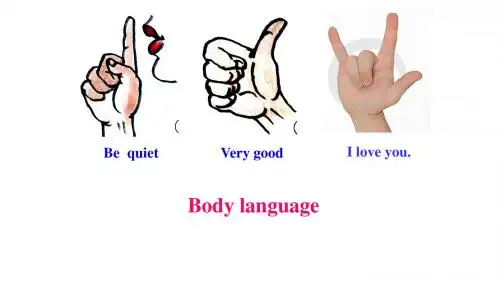
Read and repeat.(跟读、模仿)
A: People do different things in different countries.
B: In Russia
People usually _____ three times, left, right, left.
2. hug each other “互相拥抱” each other “彼此,互相”, 通常放在动词
后。 1) As friends, we should ______(互相帮助) .
A. help each B. help each other C. each other help
2) 他们因为成功而互相拥抱。
C\ D\ E\ F are from different countries.
What to say
Hello. Nice to meet you! Good morning! Welcome… ! How are you? How do you do? ...
What to do
smile, shake hands ; hug; kiss ; nod heads; put hands together; touch noses
British 英国的
Russian 俄罗斯的
俄罗斯人
Indian 印度的
印度人
They come from _J_a_p_an_, they are _J_a_pa_n_e_se_.
Japan 日本
Japanese 日本的;
日本人
Germany 德国
外研版英语七年级下册:Module 11 Unit 1 They touch noses!. 听说课
Module11 Body language
Unit 1 They touch noses
一、教学内容:Unit 1 They touch noses
二、课型:Listening and speaking
三、教学目标:
1、能够正确使用下列单词和词组:kiss, head , smile , hug, r ,touch ,shake hands with sb,
nod one’s head, each other等
2、能听懂有关身势语的对话。
3、在不同国家初次见面时,能用身势问候语进行对话。
4、注意自己和他人在日常交际中的体态,姿势和面部表情等,学会有礼貌地表达自
己的思想。
四、教学重难点:
1、能听懂有关在不同国家初次见面和表达问候时的身势语。
2、在不同国家初次见面时,能用身势问候语进行对话。
五、教学准备:
本课指导学生通过听力获取信息,培养学生听力技能。
课堂上采用多媒体手段辅助教学,在轻松愉快的氛围中,在较真实的语境下,并联系学生生活实际,结合已有的知识和经验,运用所学的语言基础知识自我学习、互相学习,让学生在语言实践中相互启发、生成,体验成功。
培养学生的合作精神,发展其思维和想象等能力。
在教学过程中,采用多媒体手段辅助教学。
本节课需准备:PPT课件、奖品。
六、预习要求:
根据音标自学本课新单词;。
七年级英语下册 Module 11 Unit 1 They touch noses(第1课时)教案
Module11 Body language Unit 1 They touch noses课题: Module11 Body languageUnit 1 They touch noses (第一课时)【教学目标】知识目标:1. 让学生学会使用本课的单词: bow, kiss, shake, smile, t ouch, nose, British, German, Japanese, Russion, each other 等。
2. 理解和掌握本单元的句型结构。
3. 理解和掌握本单元的语法:祈使句能力目标:重点掌握本单元的新单词、短语、句型和语法情感目标:通过学习,使学生多了解国内外的肢体语言机相应的变化,让学生更深入地了解各国文化的差异,为今后对中外文化的交流奠定一定的基础。
【教学重点】1. 理解、掌握本模块的句型结构。
2. 准确掌握运用祈使句的用法。
【教学难点】祈使句【教学方法】任务型教学法、小组合作学习【重难点突破】:利用多媒体图片引导学生学习代词并反复练习。
【教具】磁带、录音机、多媒体课件及图片 一、自主学习(一):重点单词1. 鞠躬,弯腰__________2. 吻,亲吻___________3. 摇晃__________4. 微笑________5. 点(头)_________6. 拥抱,紧抱__________7触摸,接触________8. German n. ___________9. Japanese n. ___________10.Russian adj. 11. 俄罗斯_________12. 印度____________ 13. 游客,观光者________ 14. 头,头部_________ 15. 各个,每个__________16. 一起,共同______17. 鼻子____________ 重点短语:18. 肢体语言______ 19 相互,彼此______ ________14 与某人握手 sb.15. 点头__________16. 三次(三)重点句型: 25. _________ do I _______ that? (我该怎么做呢?)26. _____ ________, people usually _______ three _______, left, right, l eft. (在俄罗斯,人们通常亲吻三次,左,右,左。
外研版七年级英语下册Module 11Unit 1 They touch noses教案1
Unit 1 They touch noses! 教案一.教学内容:Unit 1 They touch noses二.课型:Listening and speaking三.教学目标:1.能够正确使用下列单词和词组:kiss, head, smile, German, British, Japanese, Russian hug, India, together, touch, shake hands with sb, nod one’s head, each other2.能听懂有关身势语的对话。
3.在不同国家初次见面时,能用身势问候语进行对话。
4.注意自己和他人在日常交际中的体态,姿势和面部表情等,学会有礼貌地表达自己的思想。
四.教学重难点:1.能听懂有关在不同国家初次见面和表达问候时的身势语。
2.在不同国家初次见面时,能用身势问候语进行对话。
五.教学过程:Step One Warming-up教师活动Lead in1. Greetings2. Free talk: show Ss a video, have Ss talk about “What are they doing?”“How do you greet foreigners when you meet them?”学生活动1. Greetings.2. Talk with the teacher and partners.Step Two Pre-task教师活动Task: Check the new words.1.Show some pictures and things to get the students to say out the new words.2. Organize the students to read the new words together.学生活动1. See the pictures and things to say out the new words.2. Read the new words together.Step Three While-task教师活动ListeningPlay the tape, ask students to listen and match the pictures with the nationality. (Activity 2) 学生活动Listen to the tape and match the pictures with the nationality.Step Four Post-task教师活动Do some speaking(1) Show some pictures and things to organize the students to talk about them.(2) Have the Ss act out their new dialogues.学生活动(1) Make dialogues in groups with the teacher’s help.(2). Act out the new dialogues.Step Five Summary教师活动1. Get the students to sum up the language points.2. Let the students to choose the best team in this lesson.学生活动1. Sum up the language points.2. To choose the best groups.Step Six Home-work教师活动Make dialogues with partners after class like Activity 5.学生活动Finish the homework.。
初中英语一年级 Unit 1 They touch noses! Module 11 教学设计
教学设计课例名称:初中英语一年级 Unit 1 They touch noses! Module 11 Body language 授课教师:Question:Do you know what people are doing and how?2. Then ask Ss to act out more body languages they know.2. Share more body languages.Step2Pre-listening Show Ss a shortvideo clip toelicit the topicand the newwordsRead andgrasp the newwords relatedto bodylanguage.Input and outputof the vocabularyof body language4’Step3:While-listening 1. Play theaudio, ask Ss tolisten to details.2. Play anotheraudio, ask Ss toanswer thequestions.3. Play the audioagain, ask Ss tofill in the blanksabout whatpeople usuallydo when theymeet visitors indifferentcountries.1. Check thesentences.2. Get generalinformationabout theconversation.3. Fill in theblanks.1. Get the newwords aboutcountry.2. Get generalidea about theconversation.3. Get deepunderstandingabout theconversation.10’Step4:Post-listening 1. Ask Ss to readafter the tape.2. Ask Ss topractice keysentences andwords in pairs.3. Ask four pairsof Ss to act outhow people indifferentcountries greetvisitors.4. Elicit Ss tohave a deepunderstandingabout bodylanguage5. Ask Ss to roleplay the scene intask 1 in pairs.6. Show Ss a setof photos andask Ss tosummarize thebody languagein differentcultures.1. Read afterthe tape.2. Practice thedialogue inpairs.3. Role playabout the bodylanguagepeople usewhen theymeet visitorsin somecountries.4. Share moreinformationabout bodylanguagethey’ve known5. Act it out byusing the bodylanguage theyhave learnt6. Pay1. Draw Ssattention to thelanguage andhelp them getand giveinformationabout bodylanguage peopleuse when theymeet in somecountries as wellas our own.2. Help Ss todevelop culturalawareness.20’。